Many people delay care for their pets because of old myths about veterinary clinics. You might worry about cost, stress, or whether a visit is even needed. These doubts can leave your pet in quiet pain. They can also turn small problems into emergencies. This blog clears up three common myths that cause most of this fear. You will learn what really happens during visits, how costs work, and when to seek help. You will also see how a trusted veterinarian in Adrian, Michigan can guide you through hard choices. The goal is simple. You should feel prepared, not guilty or confused. You deserve clear facts. Your pet depends on you to act on them.
Myth 1: “My Pet Seems Fine, So Routine Checkups Are Not Needed”
You might think your pet looks healthy. Your pet eats, plays, and greets you at the door. You may feel a checkup is extra. That thought is dangerous. Many serious problems grow in silence. Heart disease, kidney disease, diabetes, and cancer often start with no clear signs.
Routine visits help you catch these problems early. Early care often costs less money. It also gives your pet more time with you. A checkup lets the team:
- Check weight and body shape
- Listen to heart and lungs
- Look at teeth and gums
- Test blood and urine when needed
The American Veterinary Medical Association explains that regular exams help prevent disease and protect your family from some infections.
Here is a simple comparison that shows why routine care matters.
| Health issue | Found early with routine visit | Found late during emergency
|
|---|---|---|
| Dental disease | Mild gum redness. Simple cleaning. Lower cost. | Loose teeth. Infection. Tooth removal. Higher cost. |
| Kidney disease | Changes in blood tests. Diet change. Close watch. | Vomiting. Collapse. Hospital stay. Possible organ failure. |
| Heart disease | Soft heart murmur. Early medicine. Activity change. | Hard breathing. Fluid in lungs. Emergency oxygen care. |
Regular visits do not waste time. They protect you from shock and regret. They give your pet a better chance.
Myth 2: “All Vets Only Care About Money”
Money fear runs deep. You might worry that every visit will end with a huge bill. That fear can grow into anger or mistrust. It can also stop you from asking for help until your pet is in crisis.
Most clinic staff choose this work because they care about animals. The work is hard on the body and on the heart. Many staff carry grief from pets they could not save. Clear talk about cost helps them help you. You have a right to ask questions. You also have the right to say no to any service.
During a visit, you can ask the team to:
- Explain each test or treatment in plain words
- Give a written estimate before care
- Offer options from basic care to fuller plans
Federal and state partners also share tools to help you plan. The Federal Trade Commission offers guidance on managing pet care costs and avoiding scams. You can review helpful tips at the FTC pet care resource page.
Next, look at how cost can change when you wait.
| Type of care | When you act early | When you wait
|
|---|---|---|
| Preventive visit | Planned once or twice a year. Easier to budget. | Skipped. No clear plan. Growing risk. |
| Common illness | Short visit. Simple medicine. Few days of rest. | Hospital stay. IV fluids. Repeat visits. |
| Parasite control | Monthly product. Quick test when needed. | Heavy infection. Anemia. Possible spread to family. |
You control your choices. When you share your budget and your fears, the clinic can shape a plan that respects both your wallet and your pet.
Myth 3: “Clinic Visits Are Always Traumatic for Pets”
You might picture bright lights, sharp sounds, and your pet shaking in a corner. That memory can stay with you. It can make you promise never to put your pet through that again.
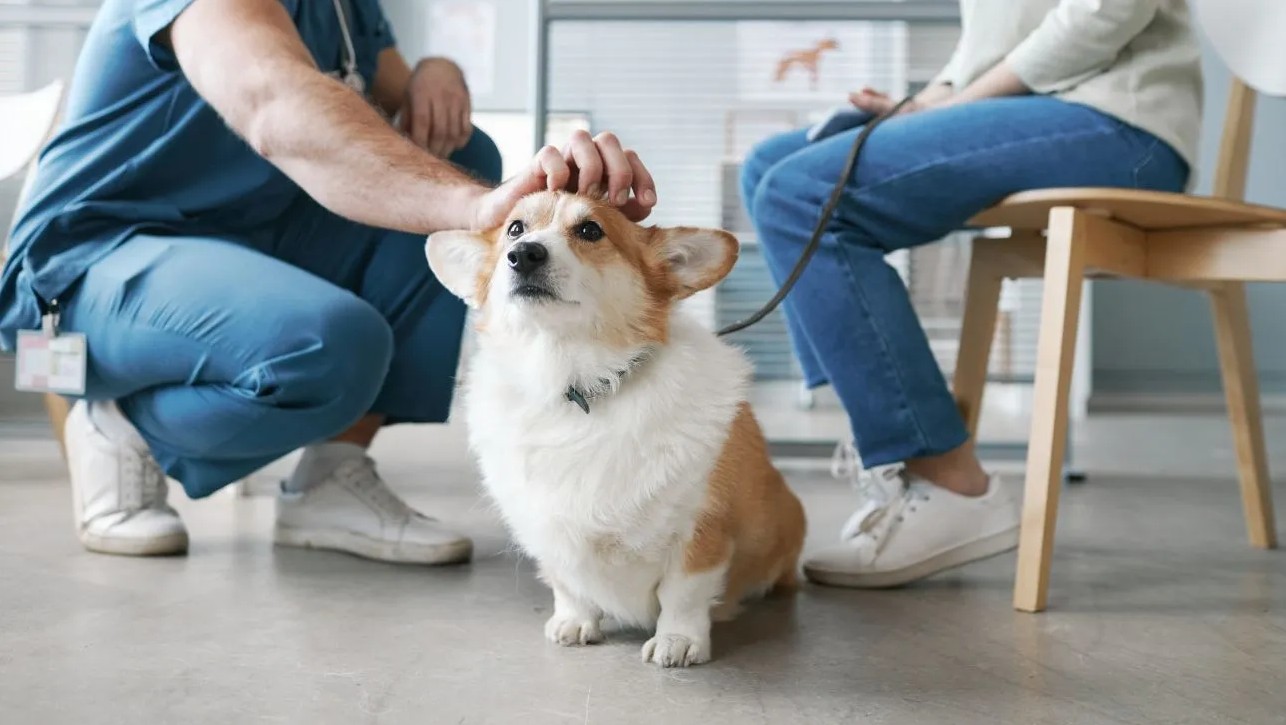
Modern clinics use quiet steps to ease stress. Staff use gentle handling. Many rooms have soft mats and calm voices. Some clinics let you stay with your pet during many parts of the visit. You can ask the team to move slowly and explain what will happen next.
You can also prepare your pet at home. You can:
- Bring your pet’s favorite blanket or toy
- Practice short car rides that end in praise
- Use a carrier as a safe space, not just for trips
The Centers for Disease Control and Prevention note that regular vet visits protect both pets and people. Shots and parasite checks lower the risk of diseases that can be passed to humans.
Fear may never vanish. Yet it can shrink. Each calm visit teaches your pet that the clinic is a place of care, not harm.
How You Can Use These Truths Today
Old myths can keep you stuck. They whisper that you should wait, or that no one will listen, or that your pet will only suffer more. Those thoughts are powerful. They are also not true.
You can act now by taking three simple steps.
- Schedule a routine checkup before there is a crisis
- Ask for clear talk about tests, treatment, and cost
- Plan ahead for stress, using comfort items and short practice trips
Your pet trusts you without question. Your choices shape that trust. When you push past myths, you give your pet safety and relief. You also give yourself fewer nights of worry and regret.
You do not need perfection. You only need the next right step. Reach out, ask hard questions, and use the help offered. Your pet’s quiet body, steady breath, and calm eyes will show you the truth. Care works.