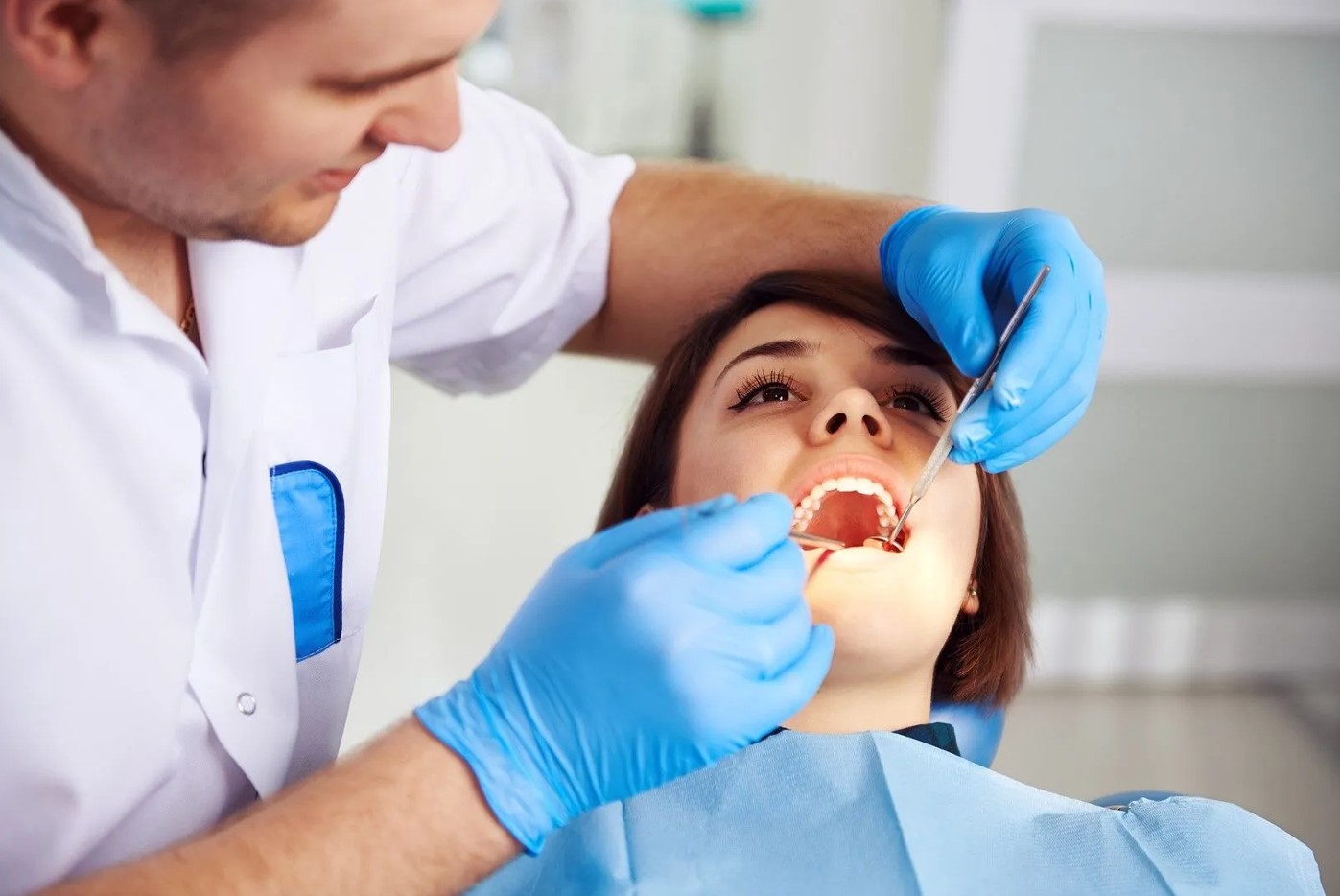
You invest time and money to fix your smile. You deserve to keep that work safe. Crowns, veneers, and whitening do not last on their own. They depend on your daily care and your regular visits with a dentist in Honolulu. Preventive dentistry protects the teeth under your cosmetic work. It also guards your gums, your bite, and your jaw. Small problems grow fast and hide under fillings and crowns. Routine checkups catch cracks, stains, and decay early. Cleanings clear away plaque that weakens bonding and edges. Fluoride and sealants support teeth that carry cosmetic work. Simple habits at home keep stains, chips, and infections away. You gain more years from every crown and veneer. You avoid painful emergencies. You keep your smile steady and strong. The next sections show four clear ways preventive care protects your cosmetic dental work.
1. Routine Checkups Catch Hidden Damage Early
Cosmetic work can hide trouble. A crown can cover a cavity. A veneer can sit on a tooth that starts to crack. You often feel nothing until the damage grows large.
Regular exams help your dentist find problems while they are still small. You and your dentist can then protect the tooth and keep the cosmetic work in place.
- Visual exams spot chips at the edges of crowns and veneers
- X-rays show decay under fillings and crowns
- Bite checks reveal high spots that stress your cosmetic work
The National Institute of Dental and Craniofacial Research explains how tooth decay starts quietly and grows over time. Early care can stop this process and protect your cosmetic work from failure.
2. Professional Cleanings Protect Bonds and Edges
Cosmetic work often fails first at the edges. Stain and plaque collect where the tooth meets the crown or veneer. That border can turn dark or rough. It can also trap bacteria that attack the tooth.
Professional cleanings remove buildup that brushing and flossing miss. The tools reach around tight edges and under the gum line. You protect both the tooth and the bond that holds your cosmetic work in place.
During a cleaning, your dental team will usually
- Remove plaque and tartar around crowns, veneers, and fillings
- Polish surfaces to slow new stain
- Check gums for swelling or bleeding near cosmetic work
The Centers for Disease Control and Prevention notes that nearly half of adults have gum disease. Healthy gums help hold crowns and veneers steady. Sick gums loosen teeth and raise the risk that cosmetic work will fail.
3. Fluoride, Sealants, and Custom Guards Support Cosmetic Work
Preventive dentistry also uses simple tools that help teeth stay strong under cosmetic work. These tools work quietly in the background. You feel little change day to day. Yet over the years they protect your investment.
Common preventive tools include
- Fluoride treatments that harden tooth enamel around crowns and veneers
- Dental sealants on back teeth that carry extra chewing force
- Custom night guards that protect against grinding and clenching
Grinding can crack porcelain and chip bonding. A guard spreads the pressure and shields your cosmetic work. Fluoride and sealants give the tooth extra strength where decay likes to start.
These steps are simple. They lower the chance that you will need repeat cosmetic work after only a few years.
4. Daily Habits Keep Cosmetic Work Strong and Clean
Your choices each day matter more than any single treatment. Strong habits at home keep your cosmetic work steady. Weak habits undo the time and money you already spent.
Three core habits protect your cosmetic work
- Brush twice a day with fluoride toothpaste
- Floss once a day around every tooth and under bridges
- Limit sugary drinks and snacks between meals
Also protect your cosmetic work by
- Not using teeth to open packages or bite hard objects
- Wearing a mouthguard during sports
- Rinsing with water after coffee, tea, or red wine
These habits reduce stain, decay, and cracks. They also support healthy gums that hold your cosmetic work in place.
How Preventive Care Extends the Life of Cosmetic Work
The table below shows how different preventive steps support common types of cosmetic work.
| Preventive step | Crowns | Veneers | Teeth whitening | Tooth colored fillings
|
|---|---|---|---|---|
| Twice daily brushing | Reduces decay at crown edges | Limits stain at veneer borders | Keeps shade steady longer | Prevents new decay around fillings |
| Daily flossing | Protects gums around crowned teeth | Prevents plaque between veneered teeth | Stops dark lines between teeth | Reduces risk of fillings chipping at sides |
| Professional cleanings | Removes tartar near gum line | Polishes stain without harming porcelain | Refreshes color by removing surface stain | Smooths rough spots that catch plaque |
| Fluoride treatments | Strengthens exposed root near crowns | Supports enamel behind veneers | Protects teeth that had bleaching | Reduces risk of decay under fillings |
| Night guard | Prevents fractures of crowned teeth | Protects veneers from grinding chips | Limits enamel wear after whitening | Reduces stress on large fillings |
Put Prevention First To Protect Your Smile
Cosmetic dentistry can restore trust in your smile. Prevention keeps that trust steady. You do not need complex routines. You need three clear steps.
- Keep regular exams and cleanings
- Use fluoride, sealants, and guards when advised
- Follow strong brushing, flossing, and diet habits at home
When you respect these steps, you protect the teeth under your crowns and veneers. You keep your gums calm. You avoid urgent visits and repeat cosmetic work. You also keep your smile clear for years.