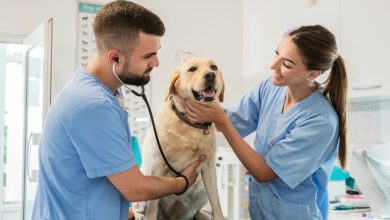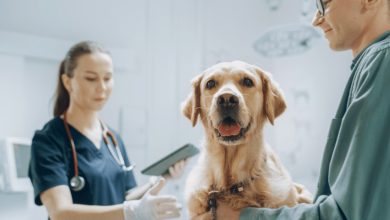
Preventive screenings at animal clinics protect your pet from silent threats that grow without clear signs. You may not notice small changes in weight, behavior, or appetite. Yet these changes can point to disease that, if caught early, is easier to manage and less painful for your pet. Regular blood work, stool checks, and physical exams give your veterinarian a clear picture of what is happening inside your pet’s body. Early care often means shorter treatments, fewer emergencies, and lower costs over time. It also means more steady days at home with your pet feeling safe and calm. At a trusted North Little Rock pet clinic, preventive screenings support a long and steady life for your pet. You gain answers, not guesses. You gain time, not regret. You act before illness takes control.
Why early screening changes outcomes
Most pets hide pain and sickness. You may see a wagging tail or steady purr and think all is fine. Yet inside the body, organs can struggle, and infections can spread. Early screening catches these changes before they turn into a crisis.
Research from the Centers for Disease Control and Prevention shows that healthy pets also protect family health. When your pet stays free of parasites and disease, your home becomes safer for children, older adults, and anyone with a weak immune system. Your choice to screen your pet protects your whole household.
Routine screenings give three strong benefits. You find the disease early. You treat problems with less stress. You plan for your pet’s future with clear facts.
What preventive screenings usually include
Screenings are not one single test. They are a set of simple checks that work together. Each one shows a different part of your pet’s health story.
- Physical exam. The veterinarian checks eyes, ears, teeth, skin, heart, lungs, joints, and weight.
- Blood work. Tests can show early kidney trouble, liver strain, diabetes, infection, or anemia.
- Urine test. This can show kidney disease, bladder infection, or crystals that may lead to stones.
- Stool test. This finds worms and other parasites that can harm pets and sometimes people.
- Heartworm test. This checks for a parasite spread by mosquitoes that can damage the heart and lungs.
- Dental check. The mouth is checked for gum disease, broken teeth, and infection.
Each test is simple. Each one adds a layer of safety. Together, they give a clear, full picture of your pet’s health.
How often your pet needs screenings
Your pet’s age, size, and health history shape the right schedule. Yet some clear patterns can guide you. A schedule like the one below is common in many clinics.
| Pet life stage | Age range | Visit frequency | Key screenings
|
|---|---|---|---|
| Puppy / Kitten | 0 to 12 months | Every 3 to 4 weeks, then every 6 to 12 months | Physical exam, vaccines, stool test, parasite checks |
| Adult | 1 to 6 years (dog) / 1 to 7 years (cat) | Every 12 months | Physical exam, blood work, stool test, heartworm test, dental check |
| Senior | 7+ years (dog) / 8+ years (cat) | Every 6 months | Physical exam, full blood panel, urine test, blood pressure, dental check |
This schedule may change for giant dog breeds, pets with chronic disease, or pets on long-term medicine. A trusted veterinarian will adjust the plan so it fits your pet.
Cost now versus cost later
Many families worry about cost. That concern is fair. Yet skipping screenings often leads to larger bills and more fear later. A short visit can prevent a long hospital stay. It can also prevent loss.
| Type of care | Example | Typical impact on cost | Typical impact on your pet
|
|---|---|---|---|
| Preventive screening | Annual exam with blood work and stool test | Lower steady cost spread across the year | Less pain, early fixes, steady comfort |
| Emergency care | Late-stage kidney failure or severe infection | Large one-time bill with hospital stay | High pain, strong medicine, higher risk of loss |
Screenings turn unknowns into clear choices. You can plan. You can save. You can avoid shocking costs that come with sudden crisis.
Common diseases caught early
Some diseases grow in silence for months or years. Screenings catch them before they steal energy and comfort.
- Kidney disease. Early changes in blood and urine can show strain long before your pet stops eating or drinking.
- Heart disease. A slight heart murmur or change in heartbeat can appear during a routine exam.
- Diabetes. Changes in blood sugar and urine can show before weight loss or thirst become clear.
- Thyroid disease. A simple blood test can find overactive or low thyroid function.
- Intestinal parasites. Stool tests find eggs and larvae that you cannot see in the yard or litter box.
Early treatment often means simple changes. You may adjust food, add a pill, or start a safe preventive. Timely action keeps your pet active and calm.
How screenings protect your family too
Some parasites and infections move from pets to people. This risk is highest for young children who play on the floor and in the yard. It is also strong for older adults and pregnant people. Regular stool tests and parasite prevention lower this risk.
The American Veterinary Medical Association explains that routine exams and tests help control diseases that can spread in the home. Your choice to keep your pet screened and treated is an act of care for your whole family.
How to prepare for a screening visit
You can help your veterinarian by tracking simple details. Before the visit, write down three short lists. Note changes in eating and drinking. Note changes in bathroom habits. Note changes in energy, mood, or sleep.
You can also bring the names of all foods, treats, and medicines your pet gets. Bring any records from other clinics. Bring a fresh stool sample if your clinic requests it. These small steps make each screening visit sharp and useful.
Taking the next step
You cannot control every illness. Yet you can control how early you respond. Preventive screenings give your pet a fair chance at a long and steady life. They reduce pain. They calm fear. They protect your family.
Call your local clinic and ask when your pet last had a full screening. Then set the next visit. Each checkup is a clear promise. You will not wait for crisis. You will act while there is still time to choose.