Most people think animal hospitals only treat sick pets. In truth, they protect you, your family, and your community every day. When you bring a pet to a Fontana animal doctor, you also help stop diseases that can pass from animals to people. You support safe neighborhoods. You protect food and water.
Animal hospitals watch for early signs of rabies, parasites, and other threats. They report patterns that warn public health teams. They teach you how to handle bites, scratches, and contact with wild animals. They keep working dogs and service animals strong, so these animals can support community safety.
This blog explains how routine checkups, vaccines, and emergency care at animal hospitals strengthen public health. It shows how you can use these services to guard your home, your block, and your city. It also gives clear steps you can take today.
How animal hospitals block disease spread
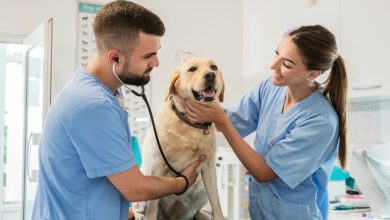
Every visit to an animal hospital is a small act of protection. You cut the risk that sick animals will pass disease to people. You also lower the chance that your pet will spread illness to other animals in parks, homes, or shelters.
Staff watch for signs that match patterns tracked by health agencies. They share reports with public health partners when they see unusual clusters. You become part of an early warning network without even knowing it.
Common pet diseases that affect people and how animal hospitals respond
| Disease | Main source | Risk to people | Hospital actions |
|---|---|---|---|
| Rabies | Bats, raccoons, unvaccinated dogs and cats | Almost always deadly after symptoms start | Vaccines, bite reporting, urgent testing |
| Ringworm | Cats, dogs, small mammals | Skin rashes that spread in homes and schools | Skin checks, treatment, cleaning guidance |
| Toxoplasmosis | Cats and their stool | Risk to pregnant people and unborn babies | Stool checks, litter box safety tips |
| Tick borne infections | Ticks carried on dogs and outdoor cats | Fever, joint pain, long-term illness | Tick prevention, removal training, tick testing |
Vaccines and parasite control protect whole communities
Vaccines and parasite control do more than keep one pet safe. They build a shield around whole blocks, schools, and parks. When most pets in a community stay up to date, diseases lose their power to spread.
Routine services at animal hospitals include three core steps.
- Regular vaccines for rabies and other threats
- Flea, tick, and heartworm prevention
- Stool checks for worms and other parasites
Each step cuts a link in the chain between wildlife, pets, and people. You reduce bites and scratches from sick animals. You lower the number of parasites in homes, yards, and play spaces. You also reduce strain on local clinics that treat people.
Early detection protects your family and neighbors
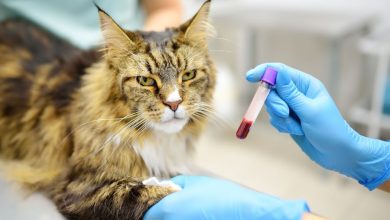
Pets often hide pain or sickness. By the time signs appear, they may have spread germs in your home or yard. Regular exams at an animal hospital catch problems early. That early catch can protect children, older adults, and people with weak immune systems.
During a routine visit, staff may find:
- Skin problems that spread through touch
- Parasites that travel in stool or on fur
- Bite wounds from wild animals that carry rabies
The staff then gives treatment and clear instructions. You learn how to clean your home. You learn how to handle waste. You also learn when to call your own doctor for advice.
Support for bite and scratch response
Animal hospitals stand on the front line when a bite or scratch occurs. You may feel fear or guilt. Staff guides you through clear steps. They also talk with public health workers when needed.
Here is what often happens after a pet bite.
- Staff check the animal for signs of rabies or other infection
- They confirm vaccine history
- They explain wound cleaning steps to you
- They give written notes you can share with your own doctor
Quick action lowers the chance of serious disease. It also supports fair handling of the animal. You avoid panic. You follow a clear plan.
Stray control and emergency response
Many animal hospitals work with shelters, animal control, and emergency teams. They help manage stray animals that may carry disease. They also assist when disasters force families to leave pets behind.
Partnership work can include:
- Health checks for shelter animals before adoption
- Spay and neuter services that reduce stray populations
- Support during fires, storms, or floods when pets need safe care
Healthy shelter animals lower the chance of outbreaks in crowded spaces. Fewer strays mean fewer bites and less waste in public places. You see cleaner parks and quieter streets.
Protection for working animals and service animals
Police dogs, search and rescue dogs, and service animals support community safety. They find lost people. They detect drugs or explosives. They guide people with disabilities. Animal hospitals keep these animals ready for duty.
Care for these animals often includes:
- Frequent exams to catch joint or vision problems
- Strong parasite and vaccine protection
- Injury care after long shifts
When these animals stay strong, your community gains a steady safety net.
How you can support public health through your pet
You play a direct role in public health each time you care for your pet. Small habits add up. They protect everyone on your street.
- Keep vaccine and parasite schedules current
- Pick up pet waste every time and dispose of it in sealed bags
- Use leashes and secure fencing to prevent bites and traffic accidents
- Wash hands after handling pets, food bowls, or litter boxes
- Teach children to treat animals with calm respect
The United States Department of Agriculture offers more guidance on animal and human health links on its animals and health page.
Shared health, shared responsibility
When you walk into an animal hospital, you carry more than a leash or a carrier. You carry a chance to protect your home, your school, and your town. Each exam, vaccine, and lab test guards both animal and human life.
Strong public health starts with daily choices. You choose to schedule the visit. You choose to follow the plan. You choose to treat your pet as part of a shared web of health and safety that includes every person around you.