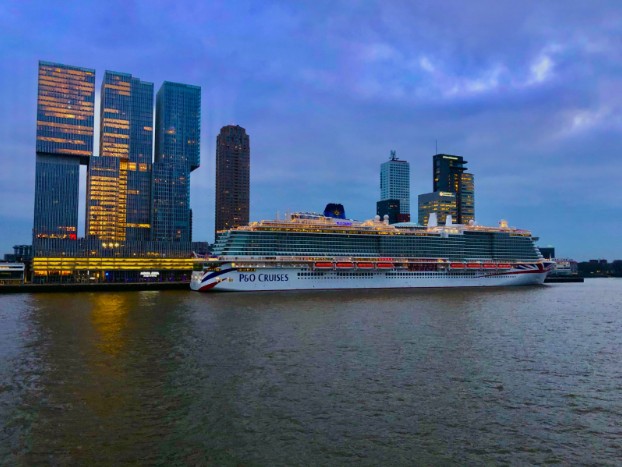
Thirty-seven miles of water separate Dover from Calais, and the crossing itself takes barely ninety minutes. Simple enough on paper. But there’s a real difference between showing up unprepared and having a smooth, genuinely relaxed trip across the Channel, and most of that difference comes down to a handful of small things people don’t think about until they’re standing at the port wishing they had.
Booking a Dover-to-Calais ferry crossing is straightforward, but a bit of preparation makes the whole experience considerably smoother from the moment you arrive at the terminal.
Timing Your Arrival at the Port
Don’t cut this close. Standard guidance is to arrive at least an hour before departure, up to two hours during busier periods like school holidays or long weekends. Check-in typically closes 60 minutes prior for vehicles, 90 minutes for foot passengers, so building in an extra buffer protects you from missing your booked sailing entirely if traffic on the M20 or A20 runs longer than expected.
Know What Documents You Actually Need
A valid passport is non-negotiable for the crossing. If you’re driving your own vehicle, bring your V5C registration document and insurance certificate. Rental or leased cars need a VE103 document, specifically, worth confirming with your rental company well before travel day rather than discovering you’re missing it at the port.
Expect Two Rounds of Border Control
The port runs a dual-stage system. Heading to France, you’ll pass through French border control first, checking passports for Schengen entry, followed by UK border control conducting exit checks. It sounds like double the hassle, but in practice, both stages move fairly quickly outside of peak periods.
New Biometric Checks Are Now Part of the Process
Since the EU’s Entry/Exit System rolled out, non-EU travelers should expect a facial photo and fingerprint scan as part of standard border processing, replacing the old manual passport stamp. It’s a quick addition to the usual routine, but it can add a few extra minutes at the border, worth factoring into your timing, especially on a first crossing after the rollout.
Leaving Your Vehicle Isn’t Mandatory, But It’s Worth Doing
You’re allowed to stay in your car during the crossing, but most regular travelers recommend heading upstairs instead. One traveler’s account of the Dover to Calais ferry crossing, know before you go, mentions that some operators let you board an earlier sailing than the one booked if space allows, worth asking at check-in since it can shave real time off the overall journey. The ninety-minute crossing includes restaurants, shops, and comfortable seating areas, genuinely worth exploring rather than sitting in a parked car for the full trip.
Time Zones Trip People Up More Than You’d Expect
There’s a one-hour time difference between the UK and France. It sounds obvious when written down, but it’s a genuinely common source of confusion when planning onward travel or connecting with people on the other side, so double-check which time zone any arrival time you’re quoting is actually in.
Duty-Free Shopping Is Worth Planning For
Many travelers build a Calais crossing specifically around duty-free shopping, wine, spirits, cheese, chocolate, and general bulk buys, since the savings can genuinely offset a chunk of the trip’s cost. If that’s part of your plan, leave some space in the car; boots fill up fast on the way back.
Cash Still Comes in Handy
Even with cards accepted almost everywhere now, small cafés, tolls, and some smaller shops around Calais still lean toward cash. Keeping some euros on hand avoids an awkward moment at a toll booth or a small roadside stop that doesn’t take cards.
Know What’s on the Other Side
Once you’re through Calais, the A16 heads toward Dunkirk and Belgium, while the A26 opens up routes south toward Reims and Champagne country. Knowing your onward route before you dock, rather than figuring it out at the port, saves you fumbling with a map or GPS the moment you’re back behind the wheel in a country that drives on the right.
A Crossing That Rewards a Little Prep
None of this requires elaborate planning, just a bit of attention to timing, documents, and what’s actually waiting on the French side. Get those basics sorted, and the ninety minutes between Dover and Calais becomes a genuinely pleasant start to the trip rather than a logistical hurdle to get through.