You may have noticed your teeth looking shorter, flatter, or more uneven in photos, and now you are thinking about veneers, bonding, or a smile makeover. That reaction makes sense. When tooth wear changes how your smile looks, cosmetic repair feels like the obvious next step. The problem is that worn teeth often point to a bite issue, clenching, grinding, or jaw strain that keeps damaging the teeth underneath the cosmetic work. In some cases, people who delay treatment may even need emergency dental care for tooth pain in Buckhead, Atlanta.
If that sounds familiar, you are not overthinking it. Cosmetic dentistry can look beautiful, but if the force causing the wear is still active, those repairs can chip, crack, loosen, or wear down too. In many cases, the smartest path is to treat the function first, then restore the appearance. That is often the difference between work that lasts and work that needs repair much sooner than expected.
Tooth wear often starts as a function problem, not just a cosmetic one
Tooth wear is not always about age or brushing too hard. It can come from grinding during sleep, clenching during stress, an uneven bite, acid exposure, or jaw joint problems. The National Institute of Dental and Craniofacial Research explains bruxism as grinding or clenching that can damage teeth, restorations, and supporting structures. You may not even know you are doing it until the signs show up on your enamel.
This is where people get stuck. They want to fix the visible damage, which is understandable, but the hidden cause stays in place. If a dentist places veneers on teeth that are still taking excessive force every night, those veneers are working against a problem they were never meant to solve.
Functional treatment before cosmetic repair does not mean you cannot improve your smile. It means the foundation gets stabilized first. That may involve a bite analysis, a night guard, treatment for jaw strain, reshaping how the teeth meet, or rebuilding worn areas in a way that protects the bite.
Shorter teeth and flattened edges can signal active grinding
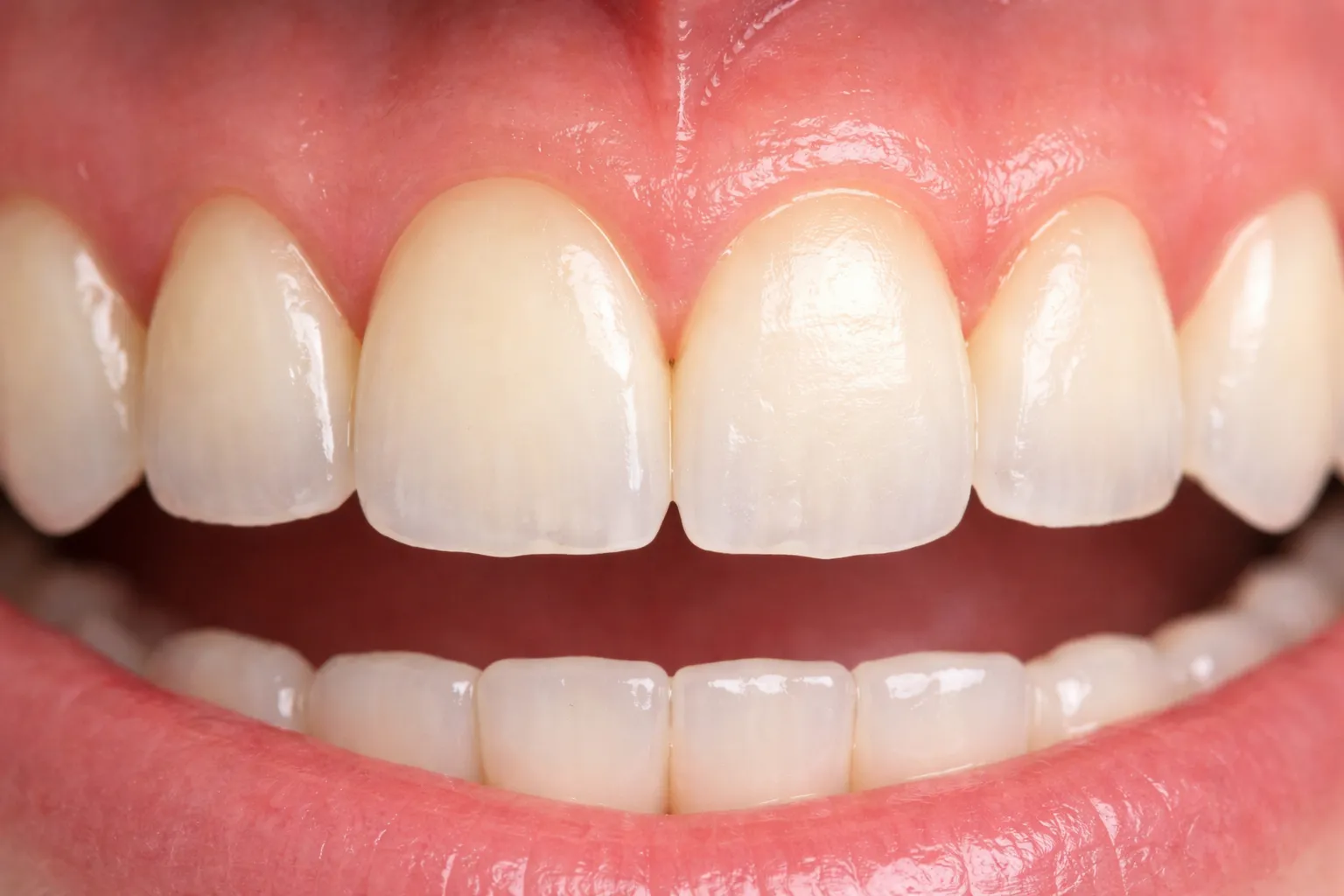
One of the clearest signs is that your teeth look shorter than they used to. The biting edges may appear flat, squared off, or chipped. Front teeth can lose their natural shape. Back teeth may show worn chewing surfaces that look polished or scooped out.
This kind of wear often means the teeth are rubbing against each other over and over. You might wake up with tight cheeks or a heavy feeling in your jaw and never connect that to the shape of your teeth. When the wear is active, cosmetic fixes alone may not hold up well. A worn smile usually needs more than surface improvement. It needs force control.
Frequent chipping, cracking, or failing dental work points to bite stress
If you have had bonding chip more than once, a crown crack, or fillings break without a clear reason, excessive bite pressure may be involved. Teeth and restorations fail when they absorb force they cannot handle day after day. That is frustrating enough on its own, and it gets expensive fast.
Signs worn teeth need more than cosmetic repair often show up in your dental history before they show up in one dramatic event. A single chipped tooth can happen. Repeated breakage is different. It often means the bite needs attention before more cosmetic treatment is added.
Jaw pain, headaches, and clicking can mean the whole system is under strain
Tooth wear rarely stays limited to the teeth. You may also deal with tension headaches, soreness near the ears, jaw clicking, or trouble opening fully in the morning. The NIDCR information on TMD describes how jaw joint and muscle disorders can affect comfort and function in daily life.
When those symptoms are present, the goal is not just to make teeth look better. The goal is to reduce strain across the teeth, muscles, and joints. Cosmetic treatment placed into an unstable system can end up carrying the same stress that caused the original wear.
Sensitive teeth and thinning enamel can mean the protective layer is gone
You may notice sharp sensitivity with cold drinks, sweets, or even air. That can happen when enamel wears down and exposes the more sensitive layer underneath. Teeth can start to look slightly yellow as dentin shows through. At that point, the issue is not only color or shape. The tooth structure itself has become more vulnerable.
That matters because cosmetic treatment on a weakened surface may need a different plan. Some teeth benefit from protection and rebuilding before appearance is addressed. General and cosmetic dentist care works best when it considers both beauty and durability.
Changes in your bite can make cosmetic work less predictable
If your teeth no longer come together the way they used to, you may feel one side hitting first or certain teeth taking all the pressure. Food may be harder to chew, or your front teeth may touch in ways they did not before. Even small bite changes can increase wear and make future restorations harder to balance.
Stress often feeds into this cycle. The UNL Health article on grinding and clenching notes that people may clench without realizing it, especially during stress or sleep. You can spend money fixing the visible damage and still feel like something is off, because the bite never got settled.
Functional treatment and cosmetic repair solve different problems
Tooth wear treatment before veneers is often the safer route when active grinding, jaw symptoms, or repeated breakage are part of the picture. Cosmetic repair changes how teeth look. Functional treatment changes how they work and how force is managed.
| Concern | Cosmetic Repair First | Functional Treatment First |
| Flattened or shortened teeth | Improves appearance, but wear source may continue | Addresses grinding or bite stress before rebuilding shape |
| Repeated chips or broken bonding | Higher risk of repair or replacement | Better support for longer lasting restorations |
| Jaw pain or headaches | Symptoms may remain unchanged | May reduce strain on muscles and joints |
| Tooth sensitivity | May mask the issue without protecting structure | Focuses on preserving and reinforcing worn teeth |
Three steps you can take right away
Track the signs you notice. Pay attention to morning jaw soreness, chipped edges, sensitivity, headaches, and any old dental work that keeps failing. Patterns matter, and they help guide the right diagnosis.
Ask for a functional evaluation, not just a cosmetic consult. If you are considering veneers, bonding, or crowns, ask whether your tooth wear suggests grinding, clenching, or bite imbalance. A cosmetic plan is stronger when it starts with that answer.
Protect your teeth while you sort out the cause. Avoid chewing ice, be mindful of daytime clenching, and follow professional advice if a night guard or bite appliance is recommended. Small protective steps can prevent more damage while treatment is being planned.
A stable bite gives cosmetic dentistry a better chance to last
You do not need to choose between a healthy bite and a better looking smile. The right plan usually includes both, in the right order. If your teeth are wearing down, chipping often, or your jaw feels sore more days than not, there is a good reason to pause before jumping straight to cosmetic repair. A careful look at function can protect your investment, your comfort, and your teeth for the long run.
If you are exploring care from a general and cosmetic dentist, ask whether the wear on your teeth needs functional treatment before cosmetic work begins.