
You can monitor a camera without internet by relying on local storage, offline connections, and closed networks that keep surveillance running independently from Wi-Fi. Many people assume all modern security cameras require internet access, but several effective methods allow you to view footage, store recordings, or access video feeds without an online connection. Whether you’re protecting a remote cabin, monitoring a construction site, or simply reducing reliance on external networks, offline monitoring can be both secure and practical. Many homeowners choose offline-capable systems from eufy because they value strong local performance, but the broader principles behind monitoring a security camera without wifi apply across different setups. Understanding these options helps you create a reliable, private security solution.
Offline Monitoring Options That Don’t Require Internet
Local Storage Records Footage Independently
One of the simplest ways to monitor a camera without internet is through local storage. Many cameras include SD card slots or internal storage that record footage directly onto the device. This means the camera continues capturing video even when offline. You can remove the SD card and review clips on a computer at any time. If your camera supports event-based recording, it saves only motion-triggered clips, preserving storage space and making reviewing easier. Homeowners often use this method for remote locations like barns or detached garages. eufy devices, for example, offer strong local storage performance that keeps footage accessible even when online services are unavailable. This approach focuses on privacy and independence, giving you complete control of your data.
Direct Wi-Fi Connections Allow Local Viewing
Some security cameras create their own Wi-Fi hotspot that your phone can connect to directly. This does not require internet access—it simply uses a short-range local wireless link. Once connected, you can open the camera’s app and view the live feed, adjust settings, or watch recorded clips stored on the device. This setup is ideal for places where you are physically nearby but have no traditional Wi-Fi, such as camping areas, storage units, or rural properties. The camera essentially becomes a standalone device with its own network. Because this connection works independently, users gain real-time monitoring without relying on any external router or service provider.
Closed Systems Use NVRs or Local Hubs
Network Video Recorders (NVRs) store and manage footage from wired or wireless cameras inside a private network. These systems function even when completely offline. Cameras send their video feed to the NVR through cables or a local wireless channel, and the recorder stores everything on its internal drive. You can view the footage on a connected monitor or use a local app while on the same LAN. Homeowners appreciate NVRs because they offer centralized recording for multiple cameras, making them ideal for larger properties. Some brands, such as eufy, also provide offline-capable hubs that manage footage locally. These systems give users reliable monitoring without depending on cloud services.
Practical Ways to Maintain Reliable Monitoring Without Internet
Wired Power and Stable Positioning Keep Cameras Running
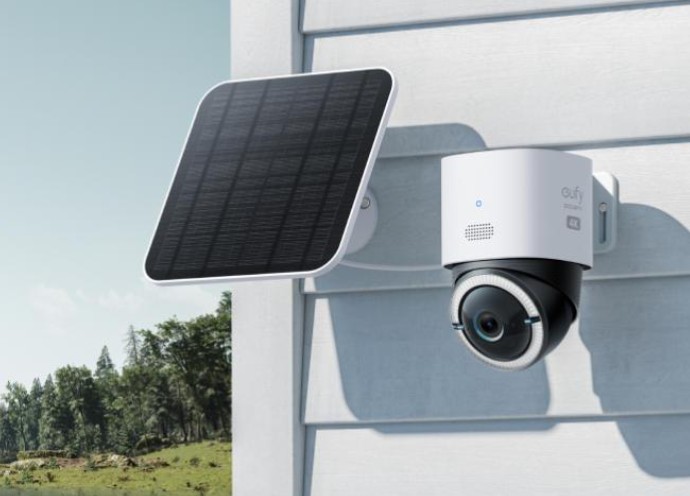
When using offline setups, consistent power becomes more important than internet connectivity. Cameras need reliable energy sources—either a wired connection or a long-lasting battery—to ensure continuous monitoring. Users who place cameras in remote areas often choose solar options to maintain long-term operation. Stable mounting also helps maintain a clear view and reliable detection. A loose or poorly aligned camera can miss events, making reliable positioning essential. Offline monitoring thrives on dependable hardware, and well-built devices—such as those designed by eufy—offer sturdy housings and long battery performance that support extended offline use.
Motion Detection Helps Save Storage Space
When monitoring without internet, storage management plays a significant role. Motion detection allows the camera to record only when activity occurs instead of saving continuous footage. This reduces the amount of storage needed and makes reviewing events easier. Many modern cameras use smart motion detection that recognizes human movement, ignoring irrelevant triggers like shifting branches or passing insects. This preserves energy and memory, especially when relying on SD cards or small internal drives. Users benefit from efficient storage because it allows them to keep footage longer without needing constant maintenance.

Offline Access Offers More Privacy and Reliability
One underrated benefit of monitoring without internet is improved privacy. Since footage stays on the device or within the local network, it never travels through external servers or cloud systems. Users who want maximum control over their recordings often prefer offline setups. Offline monitoring also avoids disruptions caused by network outages or unstable wireless connections. Even during power loss—when paired with battery-backed cameras—the surveillance system continues capturing events. Homeowners using offline-ready systems from eufy appreciate this independence because it guarantees monitoring even when typical Wi-Fi setups fail. Offline access provides consistent protection with fewer variables.
Conclusion
You can monitor a camera without internet by using local storage, direct Wi-Fi connections, or closed NVR-based systems that operate independently. These methods allow you to record, review, and manage footage without relying on traditional home networks. By supporting storage efficiency, smart motion detection, stable power, and private data handling, offline monitoring becomes both practical and reliable. Many users choose thoughtfully engineered options from eufy because they offer strong local performance and flexible offline modes, but the core principles apply to any well-designed system. With the right setup, monitoring a camera offline provides security, privacy, and peace of mind—no global connection required.