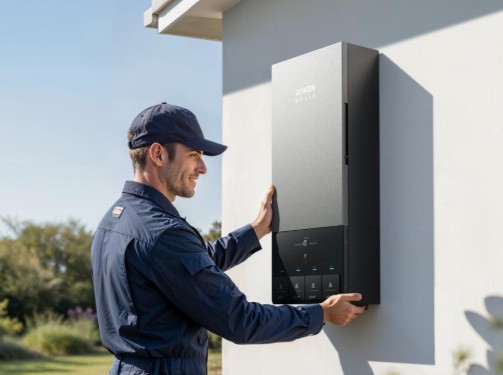
Building your home battery backup system can offer independence from power outages. Not only does it provide peace of mind during emergencies, but it’s also an economical solution for energy management. While commercial systems like the Anker SOLIX E10 provide reliable backup with its integrated solar and generator options, crafting your DIY solution allows for customization. Imagine having a seamless power transition during blackouts tailored to your household’s needs. This guide will walk you through understanding power requirements, selecting the right components, ensuring safety, and ultimately creating a resilient energy backup system that serves your home efficiently.
Safety First: What You Must Know Before Starting
Safety should never be an afterthought. Whether you’re new to electrical work or have some experience, prioritizing safety protocols is critical to avoiding hazards. Knowing electrical safety basics and having the right precautions in place will ensure a safe project from start to finish.
Electrical Safety Basics
Electricity can cause harm if mishandled, so it’s vital to respect its power. Always turn off the main power supply before starting any work. Use insulated tools to prevent accidental shocks. Familiarize yourself with your home’s electrical layout to know where everything connects. Never handle electrical components with wet hands, and be cautious of loose wires. Equip yourself with a basic understanding of voltage and current. Remember, electricity is silent and invisible. Double-check connections to prevent short circuits. Safety goggles and gloves should be part of your standard gear, offering both physical protection and insulation against electrical mishaps.
Tools and Precautions
Gathering the right tools is crucial for an efficient installation. Invest in a set of quality insulated tools – pliers, wire cutters, and screwdrivers. A multimeter is essential for measuring voltages accurately. Employ the use of sturdy wire strippers and ensure all screws and connections are properly tightened. Ventilation is key; make sure your workspace is well-ventilated to prevent fume build-up. Organize your tools before starting to avoid mishandling. It’s prudent to have a fire extinguisher within reach for emergencies. Lastly, always follow the manufacturer’s specifications for all components to maintain safety and equipment integrity.
Step-By-Step DIY Battery Backup Setup
Creating a home battery backup requires careful planning and execution. Following a step-by-step approach will help structure your project for organizational clarity and success, especially when planning a reliable battery backup for home use during outages.
Assess Your Power Needs
Understanding your power needs forms the foundation of your backup system. Calculate the energy consumption of essential devices you wish to keep running during an outage. List these appliances and check their wattage. Multiply their wattage by the number of hours you expect to use them during a blackout. This will help determine the total watt-hours your system must be capable of handling. Don’t overlook future expansions; estimate your needs with some buffer. Consider scenarios involving extended outages to gauge peak power requirements. Proper assessment ensures you neither overspend nor compromise on power availability.
Choose Your Components
Selecting the right components is the next crucial step. Decide on the type of batteries – lead-acid for affordability or lithium-ion for longevity and efficiency. Obtain a reliable inverter that matches your power needs. Select a charge controller suitable for your battery and solar panel specifications, if applicable. Consider the integration of solar panels to enhance your system’s sustainability. Modular components like solar panels allow easy integration or expansion, offering flexibility as your needs grow. Evaluate connectors and cables to ensure they’re compatible with your setup. Plan for component costs and long-term maintenance to ensure a cost-effective solution.
Assembly and Connection
Once components are chosen, begin assembling them. Install the batteries securely in a dry, cool space. Connect the charge controller to the solar panels and batteries, adhering strictly to the wiring instructions to avoid errors. Ensure all connections are firm and moisture-free to prevent corrosion. Wire the inverter to the batteries, verifying polarity to avoid damaging equipment. Connect essential loads to the inverter, following the calculated power distribution plan. Test each connection meticulously before moving to the next step. Assemble a structured layout to ensure easy troubleshooting and maintenance. A well-organized setup minimizes risks and maximizes efficiency.
Testing and Troubleshooting
Testing is critical to ensure your backup system performs as intended. Begin by double-checking all connections for tightness and proper polarity. Power up the system and monitor the inverter output; it should match your expectations. Use a multimeter to confirm voltage stability across components. Simulate a power outage to test the system’s response. Ensure your battery bank charges and discharges correctly during operation. Watch for any heat build-up, as it could indicate overloading or improper connections. Have an action plan for troubleshooting, addressing common issues like faulty connections or insufficient charge quickly.
DIY vs Portable Plug-and-Play Options
DIY setups offer customization and cost advantages but require time, technical understanding, and maintenance efforts. Contrastingly, products like the Anker SOLIX E10 offer seamless installation and smart energy automation without the need for manual assembly. Weigh the pros and cons in terms of budget, time investment, and personal preference. For those skilled in electrical projects, DIY can be both a rewarding and educational endeavor. However, for individuals seeking convenience and efficiency, opting for portable solutions provides reliability with professional support and maintenance, making it a suitable choice for many households.

Conclusion
Building your own home battery backup offers personalized solutions, fostering independence during power outages. While commercial options like the Anker SOLIX E10 deliver effortless installation and peace of mind, a DIY project allows an intimate understanding and command over your energy resilience. Whether you choose to customize or purchase a plug-and-play system, ensuring uninterrupted power flow in your home aligns with both comfort and safety priorities. Equip yourself with the necessary knowledge, prioritize safety, and enjoy the long-term security a well-crafted home battery backup system offers.