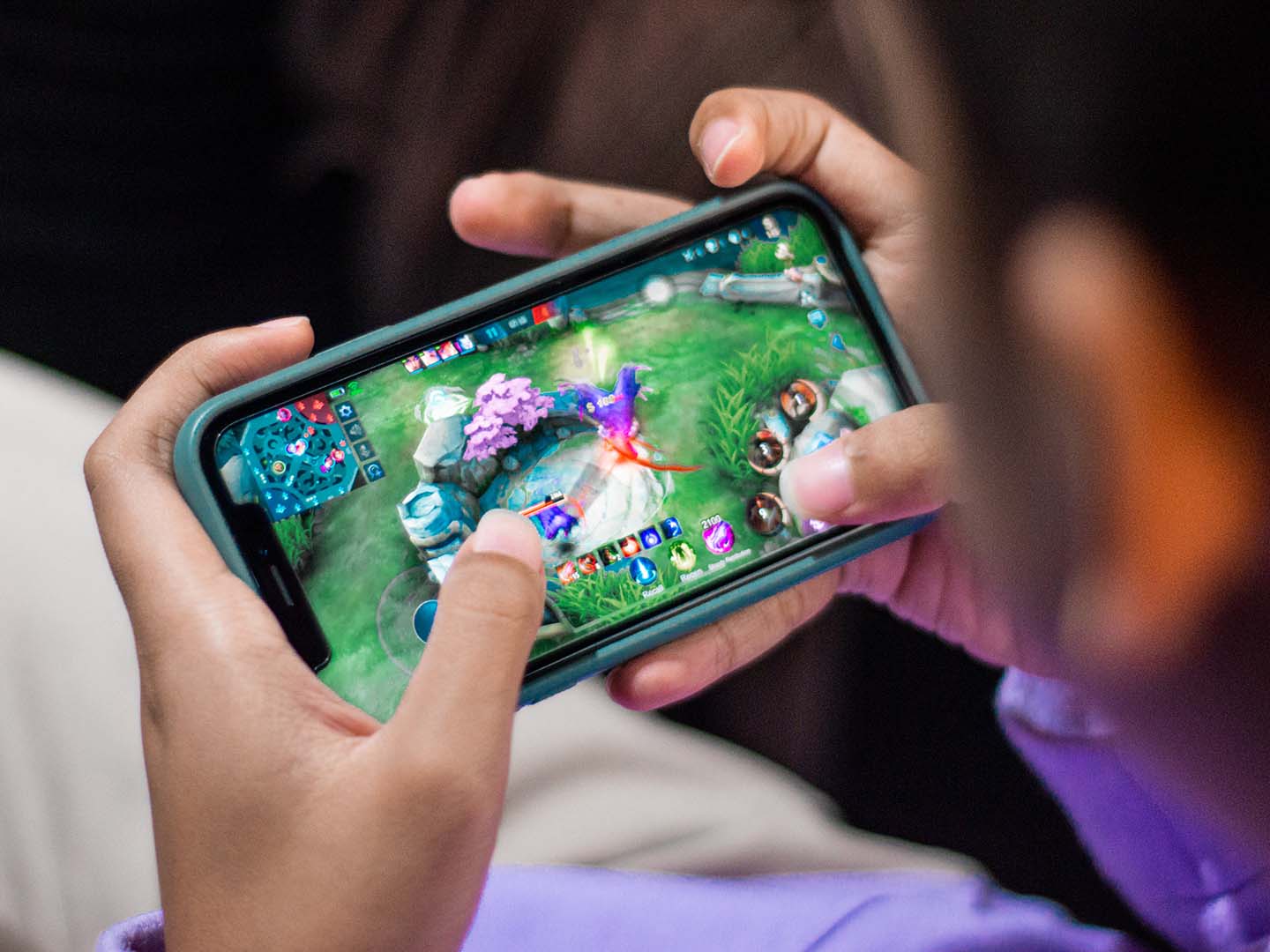
There was a time when mobile games were simple. You opened Snake, chased a few pixels, and felt like a legend. No pop-ups. No bundles. No “limited-time offers.” Just raw, snake-eats-dot bliss.
Fast forward to today: you can’t even open a farming simulator without being offered a “Starter Pack” that costs as much as a fancy lunch.
But here’s the kicker — this isn’t just about squeezing wallets. It’s about design. In-game purchases have quietly rewritten the DNA of how mobile games are made, from the shape of their menus to the rhythm of their rewards. Let’s unpack this digital Pandora’s box.
🎮 The Invisible Hand Behind Every Button
Modern game design isn’t just about fun — it’s about funnels. Every menu, sound effect, and progress bar whispers the same message: “Maybe you should spend a little…”
Developers don’t just add in-game purchases — they build around them.
That’s why some games conveniently place upgrade buttons right next to “Buy Now.” It’s not poor UX design; it’s psychology in motion. Friction for free actions, flow for paid ones.
It’s not manipulation — it’s motivation, they’ll tell you. The line between the two? Blurrier than ever.
💰 The Science of Wanting, Not Needing
Let’s be honest: nobody needs a glittery sword or a golden pet hamster in a pixel world. But oh, we want them. And mobile games have mastered the art of sparking that want.
The strategy is called “variable reward scheduling.” Borrowed straight from the casino floor, it gives players unpredictable wins — just enough to keep them hooked.
Sometimes, it’s a free chest. Sometimes, a rare drop. Sometimes… it’s just a reminder that “You’re almost there!” (translation: buy the booster).
Half the thrill of gaming now lies in what might happen next — and yes, that uncertainty sells.
🧩 When Design Meets Economics
Here’s the uncomfortable truth: creativity often bends to monetization. Once upon a time, developers asked, “What would make this game fun?”
Now they also ask, “What would make this game profitable?”
That’s why so many games are structured like soft-launch amusement parks — you play for free, but the best rides are behind paywalls.
Even difficulty curves are sometimes adjusted based on spending data. Levels are designed to be just hard enough to frustrate — not impossible, but inconvenient. And conveniently, a $1.99 “Super Boost” waits for you at the exact moment frustration peaks.
🪙 The Sweet Spot of Spending
The magic formula isn’t just about high rollers. Most players never spend at all. But that small 2–5% who do? They keep entire studios afloat.
To find the balance, developers study “player journeys” like sociologists. They track how long you play, when you quit, and which offer made you finally tap “Buy.”
It’s not cold-hearted — it’s data-driven empathy. They want you happy… just happy enough to pay for it.
⚡️ And Now, a Pause for Real Fun
Speaking of happy spending, ever tried taking your gaming streak somewhere a little more thrilling? 20Bet brings that same rush into the real world. Whether it’s sports bets or live casino tables, you can log in, play smart, and chase real wins — responsibly, of course.
If you’re curious, check out the 20Bet login portal to explore games that blend skill, luck, and heart-pounding excitement — all from your screen.
Then, when you come back to your mobile RPG, those gem packs won’t seem quite as tempting.
🧠 How Monetization Shapes the Story
Storytelling in mobile games used to be linear: start, struggle, succeed.
Now? It’s adaptive. The plot can subtly shift depending on your spending behavior. Pay for faster progress, and you’re the hero in act three by lunch. Stay free-to-play, and you might still be farming carrots by dinner.
It’s not necessarily bad — it’s evolution. Games are now ecosystems, learning and reacting to their players. But when every hero’s journey is a transaction away, something pure is lost.
🕹️ Can Free-to-Play Still Be Fair?
Absolutely. Some studios still treat the “free” in free-to-play as sacred. Titles like Genshin Impact or Among Us prove you can blend profit and player respect.
The real challenge? Transparency. Players don’t mind paying — they just hate being tricked into it. When a game respects your time and your wallet, that’s when loyalty kicks in.
🚀 The Future: Ethics Meets Algorithms
With regulations tightening (especially in Europe and Asia), the industry is being forced to rethink how it monetizes engagement. “Loot boxes” are being rebranded or removed. Developers are experimenting with battle passes, cosmetic-only shops, and subscription models that don’t prey on compulsion.
Meanwhile, AI is stepping in — not just to balance difficulty, but to personalize offers in eerily precise ways. Imagine your phone knowing exactly when you’re bored, stressed, or celebrating… and offering a “special deal” right then.
Creepy? Maybe. Effective? Absolutely.
🎯 Final Level: The Choice Is Yours
In-game purchases aren’t evil — they’re just a mirror. They reflect how we, as players, value time versus money. Some buy shortcuts; others enjoy the grind. The real question is: who’s designing who?
Because every tap, every choice, every “just one more try” feeds the next generation of game design.
So next time you’re offered a $4.99 “starter pack,” ask yourself: are you buying the fun — or is the fun buying you?

