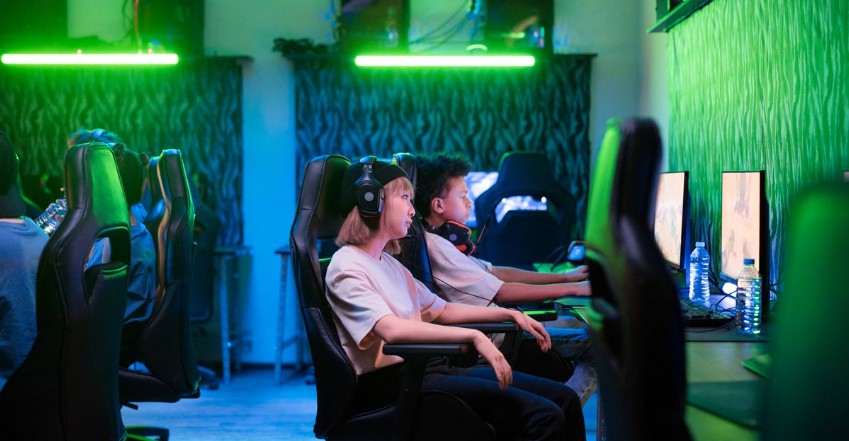
Have you noticed how many people seem to be glued to their screens playing online games these days? What was once a niche hobby reserved for hardcore gamers has transformed into a mainstream cultural phenomenon. Online gaming has evolved from something people did occasionally in their spare time to an integral part of daily life for millions of people worldwide. The shift happened gradually, but the results are undeniable.
The transformation of online gaming into a cultural staple is fascinating because it reflects broader changes in how we socialize, compete, and find entertainment. People now log into online games not just to play, but to connect with friends, build communities, and experience stories in ways traditional media cannot offer. This shift has created a new social fabric that exists parallel to physical reality, complete with its own rules, hierarchies, and shared experiences.
Understanding how online gaming became such a dominant force in daily culture requires looking at the convergence of technology, social needs, and the games themselves. The journey from early multiplayer experiences to today’s interconnected gaming ecosystem reveals how entertainment has fundamentally changed the way people spend their time.
The Technology That Made It Possible
Online gaming couldn’t have become a daily habit without the right technological foundation to support it.
The internet infrastructure we have today is vastly different from what existed twenty years ago. High-speed broadband became affordable and accessible to regular households, eliminating the lag and connection issues that plagued early online gaming. Mobile devices put gaming directly into people’s pockets, making it possible to play anytime and anywhere. Graphics technology improved to the point where games looked stunning and felt immersive, pulling players deeper into virtual environments.
Cloud gaming technology has further lowered the barrier to entry. Players no longer need expensive hardware to enjoy high-quality games. They can stream games from remote servers, making it possible for anyone with an internet connection to participate. This democratization of gaming access expanded the potential audience significantly.
The infrastructure supporting online games also improved dramatically. Servers became more stable, matchmaking systems became smarter, and the overall experience became more reliable. When people know they can count on a game to work properly when they log in, they’re more likely to make it part of their routine.
Social Connection In A Digital Age
Perhaps the most important reason online gaming became a daily habit is that it fulfills a genuine human need for social connection.
Online games provide spaces where people can interact with others who share their interests. Whether playing cooperatively or competitively, players are constantly communicating, strategizing, and building relationships. Voice chat and text communication built into games make it easy to talk with teammates and friends in real time. These social connections often extend beyond the game itself, with players staying in touch through other platforms and forming genuine friendships.
For many people, especially those who feel isolated or disconnected in their physical communities, online games offer a sense of belonging. Guilds, clans, and teams become social groups with their own culture and identity. Members support each other, celebrate victories together, and provide emotional support during difficult times. The social aspect has become just as important, if not more important, than the gameplay itself.
Online gaming also provides a structured way to spend time with friends and family, particularly for people separated by distance. Parents play with their children, long-distance friends maintain their relationships through gaming, and people form new friendships with others from different countries and backgrounds. This social dimension transformed gaming from a solitary activity into a shared experience.
The Appeal Of Progression And Achievement
Games are designed to provide constant feedback and a sense of progress that appeals to something fundamental in human psychology.
Most online games feature progression systems that give players clear goals and rewards for their time investment. Whether it’s leveling up characters, unlocking new items, or climbing competitive rankings, there’s always something to work toward. This creates a compelling loop where players feel motivated to return regularly. Each session brings them closer to their next goal, and that incremental progress feels rewarding.
The achievement systems in modern games tap into our desire for recognition and status. Earning badges, unlocking rare items, or reaching high ranks provides tangible proof of skill and dedication. Players can display these achievements to others, creating a form of social currency within gaming communities. This recognition system keeps people motivated and invested in their gaming pursuits.
Many platforms now feature hoki22 style experiences where players can test their skills in various formats. The variety ensures that different types of players find something that appeals to them, whether they prefer strategic thinking, quick reflexes, or creative problem solving.
Community And Identity
Online games have become spaces where people develop and express their identities in meaningful ways.
Customization options allow players to create characters that represent themselves or their aspirations. They can choose how their character looks, what skills they develop, and how they interact with others. This personalization creates a sense of ownership and investment in the game world. Players care about their characters because those characters represent them in the digital space.
Communities that form around specific games develop their own culture, terminology, and traditions. Inside jokes, memes, and shared references create bonds between players. Streaming platforms have amplified this cultural aspect, allowing players to broadcast their gameplay and build audiences. Gaming personalities have become celebrities with dedicated followings, further cementing gaming’s place in mainstream culture.
The competitive scene has also grown substantially, with esports tournaments offering real prize money and sponsorship opportunities. Young players now see professional gaming as a viable career path, not just entertainment. This legitimization of gaming as a serious pursuit has attracted even more people to the space.
The Daily Habit Formation
What started as occasional entertainment has become a daily ritual for millions of people.
Games are designed with habit formation in mind, using daily login rewards, limited-time events, and seasonal content to encourage regular play. These mechanics create a reason to log in every day, even if just for a few minutes. Players don’t want to miss out on exclusive rewards or fall behind their friends, so they maintain consistent engagement.
The variety of gaming experiences available means there’s something for everyone. Casual mobile games appeal to people with limited time, while complex multiplayer games satisfy those seeking deeper engagement. Someone might play mahjong ways 2 during a coffee break and then dive into a more intense gaming session in the evening. This flexibility allows gaming to fit into different lifestyles and schedules.
Online gaming has fundamentally changed how people spend their free time. It’s no longer something that happens occasionally but rather a consistent part of daily life for a significant portion of the population. The combination of accessible technology, genuine social connection, psychological reward systems, and community building has created a cultural shift that shows no signs of slowing down. Gaming isn’t just entertainment anymore; it’s become a way people connect, compete, and express themselves in the modern world.

