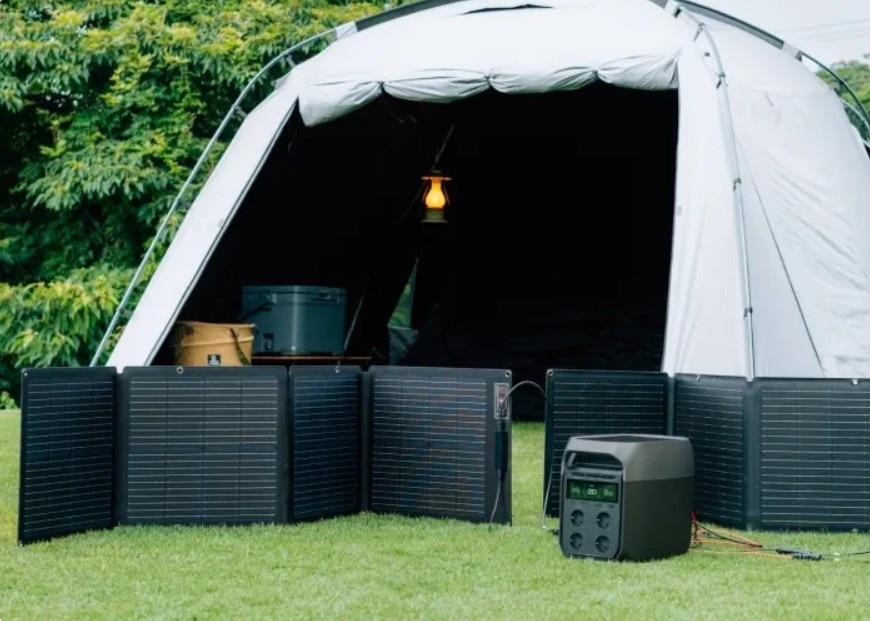
Camping and RV trips can offer a rejuvenating escape into nature, but access to power is crucial for a comfortable experience. A portable power station is an excellent solution, providing a reliable source of energy to keep devices charged, appliances running, and the lights on. One of the top choices is the EcoFlow DELTA 3 Portable Power Station. It offers five fast-recharging methods, including AC, solar, and a smart generator, among others, ensuring you’re never left powerless. In this guide, we’ll explore how to effectively use a portable power station during your outdoor adventures, covering essential steps, safety precautions, and practical tips to extend battery life.
Step-by-Step Guide to Using a Portable Power Station
Navigating the ins and outs of a portable power station is simple if you follow these key steps.
Step 1: Charge Your Power Station Before the Trip
Start by fully charging your EcoFlow DELTA 3 at home. Plug it into a standard AC outlet. This ensures you have maximum power capacity before heading out. Alternatively, you can charge it using solar panels if you prefer an eco-friendly option. The DELTA 3 also supports multicharging, so you can use the 800W Alternator Charger or Smart Generator 3000 for a quick top-up. Remember to check the charger’s compatibility with your power station model. This pre-trip preparation guarantees that you won’t face any power shortages, letting you use your devices and appliances effortlessly once you reach your campsite.
Step 2: Connect Your Devices Safely
When it’s time to set up at the campsite, ensure that all devices are connected safely. Start by checking the power requirements of each device. The EcoFlow DELTA 3 comes with multiple output options, including USB, AC, and DC ports. Use the appropriate port to plug in your device. Always adhere to the power station’s wattage limits to prevent overloading. If you’re using appliances like a mini-fridge or electric grill, ensure they’re within the power station’s capacity. Arrange devices in order of priority, so critical items like medical devices or lights are powered first.
Step 3: Monitor Power Usage and Battery Levels
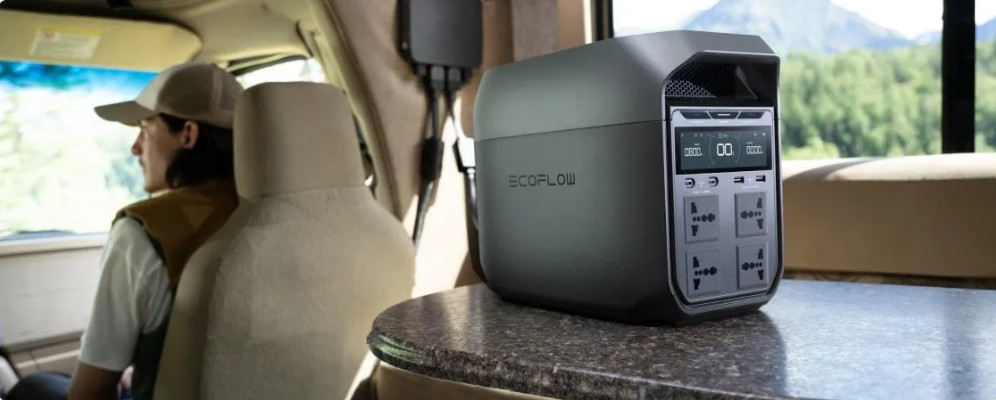
Continuous monitoring of your power station’s consumption is vital to ensure stable power throughout the trip. The EcoFlow DELTA 3 features an intuitive LCD screen that displays power usage and remaining battery levels. Regularly check this screen to gauge how much power is being consumed. Make adjustments as necessary, such as disconnecting non-essential items to conserve energy. Consider setting a schedule for charging devices like smartphones or cameras to prevent unnecessary draw on the battery. By managing your consumption strategically, you can ensure a consistent energy supply throughout your camping adventure.
Best Ways to Recharge While Camping or on the Road
Being proactive about recharging can keep your adventure powered.
Solar Charging Setup for Off-Grid Trips
For sustainable energy, set up a solar charging station using solar panels compatible with your EcoFlow DELTA 3. Position the panels in a location with maximum sunlight exposure. Ensure the panels are clean and free from obstructions for optimal energy absorption. Connect the panels to the power station using the correct solar charging cables. Allow several hours for the station to recharge to a satisfactory level. This eco-friendly method enables a continuous power supply while minimizing carbon footprints, making it an excellent choice for extended off-grid journeys.
Car Charging and Backup Options
When access to direct sunlight is limited, utilize your vehicle to charge the power station. Connect the EcoFlow DELTA 3 to your car’s 12V power outlet using a compatible car charger. Turn on the vehicle engine, allowing the power station to recharge as you drive. This method can be particularly useful on road trips where mobility is key. Carry backup options like an 800W Alternator Charger or a Dual Fuel Smart Generator. These provide additional charging capabilities when solar or car charging isn’t feasible.
Essential Safety Tips When Using a Power Station Outdoors
Safety ensures a hassle-free adventure.
Avoid Overloading and Overheating
Prevent overloading by ensuring the total wattage of connected devices doesn’t exceed your power station’s capacity. Use power strips sparingly, distributing the load across multiple outlets when available. Keep the EcoFlow DELTA 3 in a well-ventilated area to avoid overheating. Regularly inspect the unit for any signs of excessive heat or unusual noises. Shut the system down immediately if overheating occurs, and allow it to cool before further use. Proper attention to these factors enhances performance and prolongs the lifespan of your power station.
Proper Storage and Weather Protection
Exposure to harsh weather conditions can impair the functionality of your power station. Store your EcoFlow DELTA 3 in a rugged, weather-resistant case when not in use, especially during transportation. Avoid leaving the power station in direct sunlight or rain for extended periods. If you’re camping in humid or wet conditions, place the power station under a tarp or inside the tent to keep it dry. When not in use for extended periods, store it in a cool, dry place to prevent deterioration.
Practical Tips to Maximize Battery Life During Trips
Stretch your power for longer durations with these tips.
Energy-Saving Techniques for Camping
Implement energy-saving strategies by using LED lights and low-power devices. These consume less energy, allowing extended use without frequent recharges. Unplug appliances and devices when not in active use to minimize power draw. Consider adjusting device settings to energy-saving modes when applicable. Schedule charging times during the day when solar charging is most effective, ensuring devices are fully charged by nightfall. These techniques ensure a more efficient use of your power station’s capacity.
Smart Power Management for RV Living
For RVs, prioritize essential appliances like the refrigerator and lights. Use timers or smart plugs to control power consumption during specific periods. This strategic planning reduces unnecessary power usage. Make full use of your RV’s built-in systems to recharge the power station, such as using shore power when parked at facilities providing electricity. Implementing an energy management system ensures that your EcoFlow DELTA 3 remains charged, meeting all necessary power demands consistently.
Conclusion
Utilizing a portable power station, such as the EcoFlow DELTA 3, significantly enhances your camping and RV experiences by providing reliable energy access. Its versatile recharging options, including solar and vehicle charging, make it ideal for a variety of outdoor settings. By understanding how to properly charge, connect, and manage your power consumption, you can enjoy all the comforts of home while immersed in nature. Practice safety and incorporate energy-saving tips to maximize efficiency. With a little planning and forethought, your adventures will be powered smoothly, keeping you connected and prepared wherever the journey takes you.