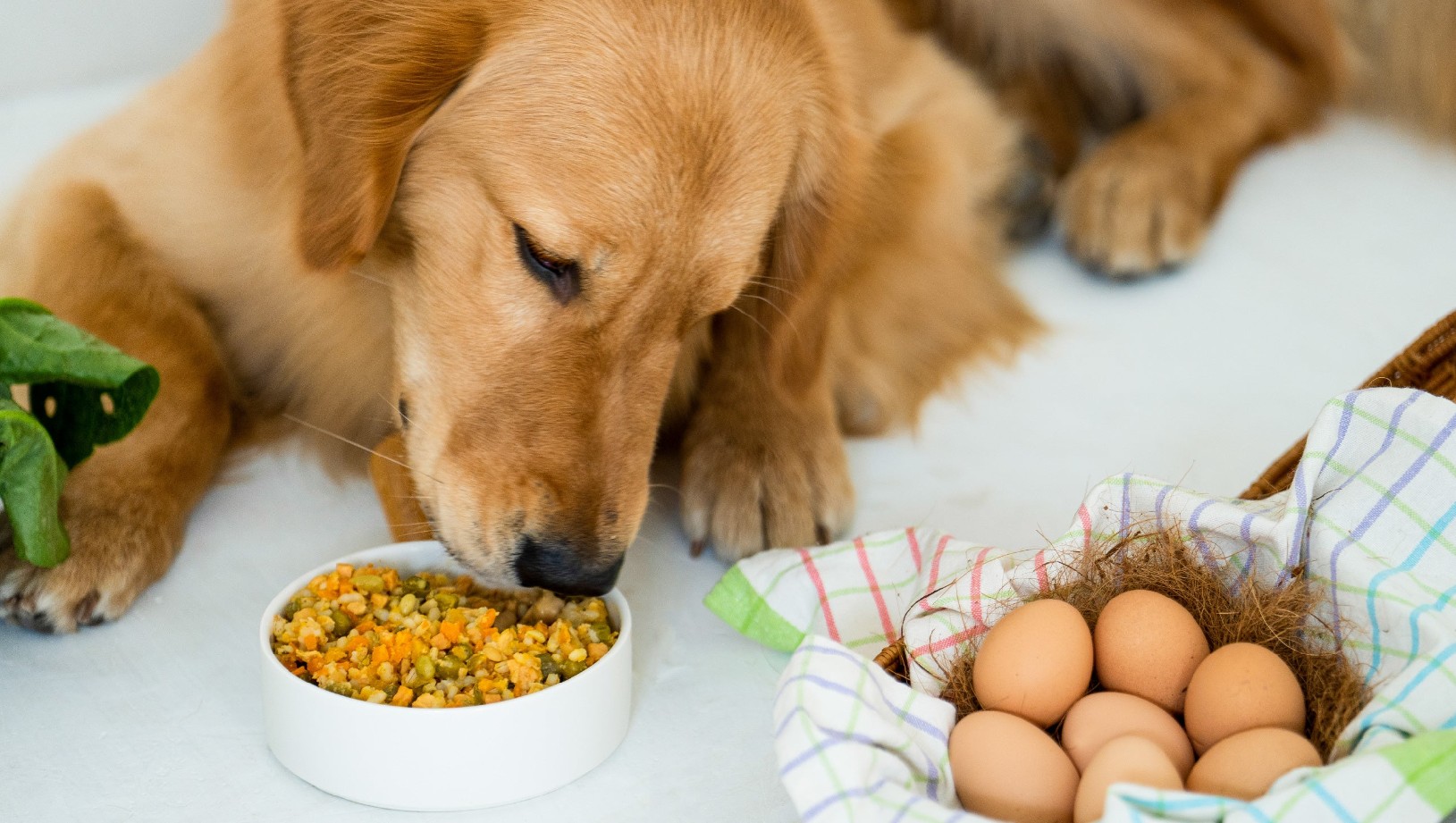
Most pet owners know that protein is an important dietary item for dogs. The thing that most of them don’t get right is that an eight week old puppy doesn’t have the same protein requirements as a twelve year old dog. Not even close. The biology of growing and aging dogs is literally worlds apart, the energy levels they burn to get through their day are light years apart, and even the way they build (or maintain) muscle is an entirely different ball game.
Unfortunately, the majority of the pet food industry seems to treat protein requirements as though they are fairly generic.
Yes, protein is important for all dogs, but the details matter more than most people realize.
Puppies: Protein Building Blocks
Puppies need more protein than any other life stage and it’s not just because they need to grow. Puppies are literally building new bone, muscle, organs and even brains. A large breed puppy can grow several pounds in a single week during the height of its developmental stage.
Normal protein requirements for puppies are in the 22-28% range although some breeds require even higher amounts. Large-breed puppies need a little bit of care in terms of balancing the percentages since too much protein combined with too many calories can cause overly fast growth and developmental skeletal diseases.
But it’s not just the percentages of protein that are important, it’s the quality of the protein itself that is even more important during puppyhood. Animal-based proteins (such as chicken, beef, fish and lamb) provide complete amino acid profiles that plant-based sources do not. Dogs are also far better at metabolizing food sources that come from animal proteins than they are with grains or vegetables.
It’s around this life stage that feeding decisions can really start to impact dog owners. Some owners have even begun looking into different varieties of raw dog food to try and find easy-to-digest food options with bioavailable animal proteins for their rapidly-developing doggos. The digestibility levels of those proteins become especially important when trying to provide energy sources to a rapidly-developing frame without over-stressing the puppy’s delicate digestive system.
Adult Dogs: Maintenance Stage with Many Variables
Once a dog reaches adulthood (between 12 and 24 months depending on the breed) its protein needs switch from development to maintenance. Most adult dogs need between 18-25% protein for maintenance but here’s where things start to get interesting because “adult dogs” vary greatly in their activity levels.
A Border Collie who spends all day herding sheep has exponential different protein needs from a bulldog whose biggest challenge of the day is getting up off the couch to move to the other side of the room. Activity levels have a huge impact on protein needs. Working dogs and athletic breeds that participate in sports like agility or dock diving require significantly higher levels of protein compared to average pet dogs that live a bit of a sedentary lifestyle.
Even somewhat sedentary family dogs still need to receive a good quality protein source, but receiving too high of an amount (especially in combination with excessive calories) can contribute to unwanted weight gain. The protein itself isn’t what makes dogs gain weight but most high-protein foods are also very calorie dense.
Breed size is also a consideration when it comes to adult dog protein needs. Smaller breeds have slightly elevated protein needs (compared to larger breeds) on a per-weight basis. This means that they require proportionately higher amounts on their smaller frames. Giant breeds require a fair bit of consideration when it comes to joints and hearts.
Older Dogs: Supporting Ailing Bodies
This next stage is where conventional wisdom has actually been proven wrong. For many years, the general assumption was that older dogs required lower levels of protein to prevent damage to kidneys. In reality, healthy older dogs need higher levels of good quality protein to help maintain the muscle mass that tends to atrophy with age.
The difference is that many senior dogs have existing conditions that require some modification of these basic needs. Dogs with kidney disease require lowered, high-quality protein. Dogs with some liver diseases often require restricted protein levels with specific amino acid ratios. However, a healthy ten year old yellow lab? He’s probably going to need around 25% or higher just to remain muscle bound.
When seniors lose muscle mass it sets of a vicious circle of declining mobility leading to declining activity levels leading to even higher levels of muscle loss. Maintaining adequate levels of protein can help them maintain their strength for longer.
The same issue comes into play with digestibility in senior dogs as it does with puppies. Senior dog digestive tracts are less effective than younger dogs so they also need to receive food and protein sources that they can effectively digest. Lower quality proteins are more likely to pass through the system without providing much value.
Protein Quality Matters More Than Numbers
Those percentage numbers on the pet food label do only tell part of the story though. A dog food with 30% indicated protein content sounds impressive until you dig a little deeper and find out that a good proportion of that number comes from low-quality fillers like corn gluten meal and soy protein isolates. Dogs need animal proteins because they create amino acid profiles in the right proportions that dogs need.
Digestibility percentages matter as well although they are rarely, if ever, provided on labels. Chicken meal weighs in around an estimated 80-85% digestibility rate whereas some plant-based sources are measured as low as 50%. That sort of difference makes a huge impact on the value of each portion that dogs consume.
Different types of protein also provide different secondary elements. Fish usually provides omega 3’s while beef contains iron and B vitamins. Chicken is well tolerated and easily digested by most dogs. Rotating through different sources of meat (if your dog can handle it) can also provide them with different added benefits or requirements.
Reading Between the Label Lines
Dog food companies can be a sneaky when interpreting their labels. The ingredients listed on pet food labels are always recorded by weight before moisture content is removed from that weight. Fresh chicken contains around 70% moisture so “chicken” as the first ingredient on a label might not mean as much as it sounds like it does. Chicken meal (where moisture has already been removed) contains much higher concentration levels of protein.
The guaranteed analysis provides minimum percentages of indicated proteins on a label but does not take quality and digestibility rates into account when making those calculations. Two foods indicating the same percentage (say 26%) could be worlds apart in terms of actual value.
Be careful of food companies who boost their indicated values through low-quality source ingredients. Peas, lentils and potatoes have become increasingly popular as low-cost fillers in pet food that can boost indicated protein values without providing the type of amino acid profiles or digestibility rates that dogs need. They aren’t necessarily bad ingredients when used moderately but should not be used as a substitute source.
When To Modify Protein Levels
It’s somewhat predictable to assume that a dog’s life stage can influence its requirement for certain levels of protein but there are few other instances where dog owners might consider making some modifications to normal base requirements.
- Post surgical patients: will require higher levels of protein for healing
- Pregnant / nursing dogs: will require much higher levels of both proteins and base calories
- Kidney disease: may require lowered, high-quality protein
- Liver disease: certain diseases will require restricted protein levels with specific amino acid ratios
- Heart disease: may be provided higher levels of protein (to maintain muscle)
Overweight dogs may be a little tricky since they will require less overall calories, but still need adequate levels of protein to prevent losing muscle while getting rid of fat. Higher-protein moderate-calorie foods may be considered rather than simply reducing overall food intake.
Practical Feeding Decisions
The science behind how much protein different types of dogs need definitely helps in making decisions about how much to feed, but it can also help make reasonable expectations when answering the question “what should I feed my dog?”
A three year old Australian Cattle dog who is training for agility tournaments might not need the same diet as a three year old Basset hound who thinks its hard work if you take him for a short stroll around the block.
Monitor how your dog is doing while on their current brand of food. Good energy levels, healthy looking coats and good muscle tone all are reasons to believe your food choice is working for you. If they become lethargic, lose weight unexpectedly or develop poor coat condition however, it may be time to reconsider!
Most dogs will do well on simple, easy to follow feeding plans that take their age and activity levels into account, but the trick is remembering that those needs change over time and being willing to change how you feed your dog to suit his/her changing requirements!


