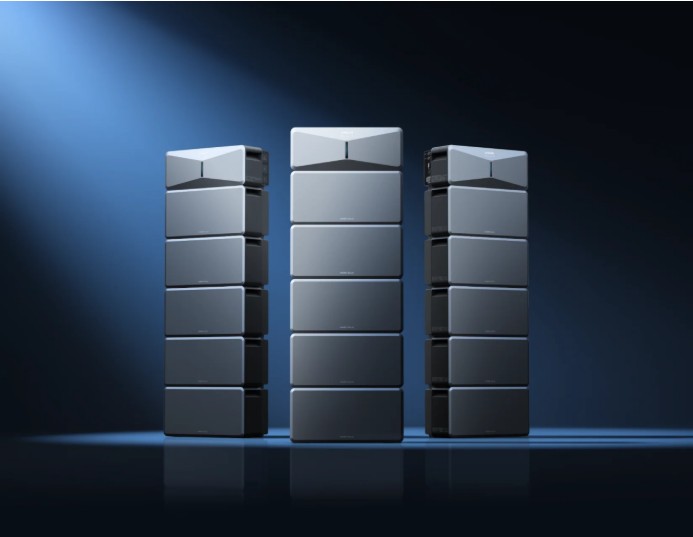
Many families assume backup power only matters in regions struck by hurricanes, winter blizzards, or wildfire-related outages. Yet the everyday grid behaves unpredictably far beyond designated disaster zones. Brownouts, equipment failures, transformer repairs, and heat-driven demand spikes cause far more outages than headline-making storms. This is where the conversation shifts: a whole home generator is not just a “disaster product.” It’s a stability tool that keeps a household fully functional even when the grid delivers inconsistent performance. Hybrid backup systems such as the Anker SOLIX E10 with Power Dock extend this value by offering silent battery power, fast switchover, whole-panel coverage, and long-duration backup even when fuel or grid conditions fluctuate. The worth of whole-home backup becomes clearer once families look beyond traditional risk maps.
Everyday Outages in Low-Risk Regions Still Disrupt Life
Utility Repairs Cause More Interruptions Than People Expect
Grid maintenance generates countless small outages each year, and they rarely appear in news reports. Utility crews perform line upgrades, transformer swaps, vegetation trimming, and pole repairs that require hours-long shutdowns. These interruptions tend to happen without long notice windows, often early in the morning or while residents work from home. Backup systems that engage instantly keep daily activities flowing without disruption. With ≤20ms switchover, the E10 steps in before appliances or electronics shut down. Families avoid losing unsaved work, interrupting virtual meetings, or resetting HVAC systems. Because the E10 connects through the 200A Power Dock, no one must choose which circuits stay active. Even outside disaster zones, these maintenance-driven interruptions justify whole-home coverage.
Seasonal Spikes Overload Local Infrastructure
Heat waves in mild climates still produce heavy air-conditioning demand. Neighborhood distribution systems often buckle under sudden load increases, causing repeated brownouts. Winter cold spells, even short ones, strain heating systems similarly. During these moments, having a reliable backup source feels less like a luxury and more like essential household continuity. The E10’s ability to start a 5-ton AC with up to 37.2kW surge power per unit ensures climate control remains stable. When temperatures swing quickly, consistent HVAC function protects food, electronics, and indoor air quality. Even if a region rarely faces extreme events, infrastructure strain creates enough unpredictability to reward a stronger power safety net.
Work-From-Home and Remote Learning Raise the Stakes
Families who depend on uninterrupted connectivity stand to lose more from a “small” outage than from rare disaster-driven ones. A two-hour blackout may cost a remote worker in lost income or force a student to miss critical online sessions. A whole-home system also helps technology function as intended. Routers, laptops, monitors, servers, and charging stations continue seamlessly when the E10 bridges the gap between the outage and restored service. Battery-based systems handle this especially well because they keep power clean and stable. Outside disaster zones, reliability becomes a professional requirement, not an emergency preparation tool.
A Broader Definition of Value Beyond Emergency Use
Everyday Comfort and Convenience Drive Real Household Value
Comfort plays an underestimated role in determining whether whole-home backup is worth the investment. Losing cooking appliances, lighting, HVAC, entertainment systems, or cleaning tools for even half a day disrupts routines and increases stress. Hybrid systems like the E10 preserve normal living because they power the entire home panel and supply enough rated output to support a wide range of appliances at once. When outages are mild but frequent, families gain value by eliminating the constant annoyance of resetting clocks, rebooting systems, and salvaging food. Peace of mind is not tied to disaster frequency; it emerges from daily reliability.
Energy Savings Strengthen the Case in Calm Regions
Outside disaster zones, financial performance often matters more than emergency coverage. The E10 supports solar integration with dual 30–450V MPPT inputs and offers modes that reduce electricity bills by up to 80% through self-consumption and time-of-use optimization. This transforms the system from a rarely-used emergency tool into a year-round energy asset. The ability to store solar power, discharge during peak pricing windows, and run silently during everyday outages widens the value proposition. Calm weather does not reduce the return; it amplifies it because savings accumulate daily.
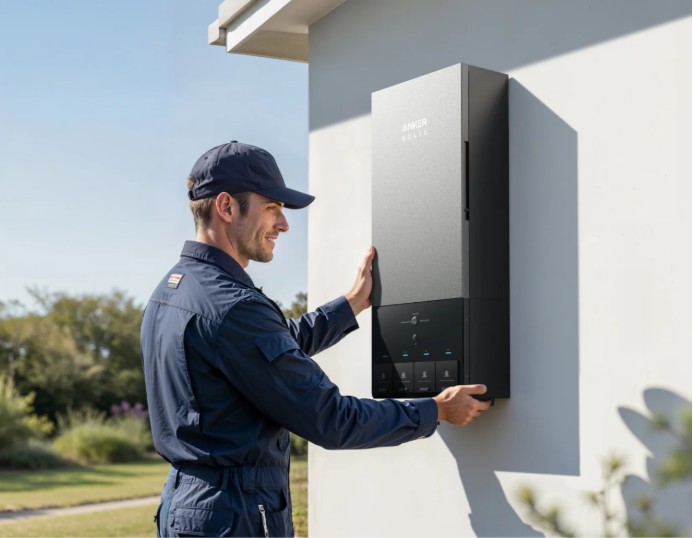
Long-Duration Backup Proves Useful in Situations Beyond Storms
Multi-day outages can occur in regions with low disaster classifications simply due to equipment failure, wildfire-prevention shutoffs, or grid instability during seasonal transitions. Having a system designed for 1–15 days of backup provides resilience no matter the cause. The E10 extends runtime through its smart whole home generator synergy, using fuel five times more efficiently by charging directly via DC without conversion losses. Tri-fuel capability also means residents can access the most available local fuel source when needed. Even if major disasters rarely occur, smaller long events still justify reliable backup power.
Conclusion
Whole home generators offer far more than disaster protection. They stabilize daily living, support remote work, preserve climate control, protect food and appliances, and eliminate the routine disruptions caused by minor outages, infrastructure strain, or utility work. Hybrid whole-home systems like the Anker SOLIX E10 with Power Dock expand this value by supplying instant switchover, long backup durations, solar savings, whole-panel coverage, and flexible fuel-supported resilience. Outside disaster zones, the question is not whether emergencies justify backup power, but whether everyday life benefits from uninterrupted energy. For most modern households, the answer is yes—because reliability has value no matter where you live.