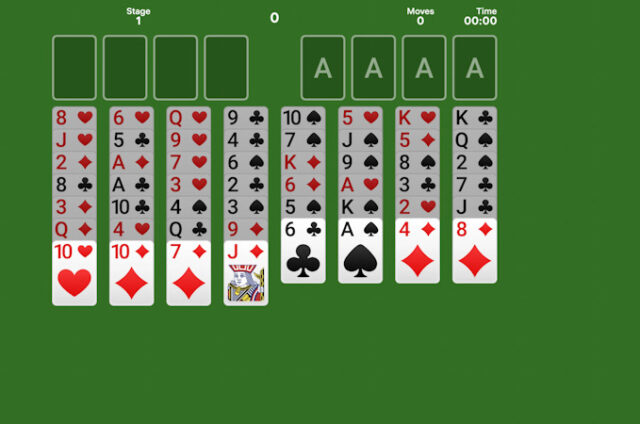
Decision fatigue is what happens when your brain burns through self-control and attention after making too many small choices. One simple way to reset without losing momentum is a true micro-break: 2 to 5 minutes, low stakes, and mentally different from your main task. That is where you can try a free cell game online. It is structured enough to absorb attention, but light enough to feel like a reset.
How does decision fatigue actually show up during a normal workday?
Decision fatigue shows up as slower thinking, shorter patience, and a stronger pull toward default choices like scrolling, snacking, postponing, or saying yes too fast. It is not laziness. It is a predictable drop in executive control as your brain spends energy evaluating options and regulating impulses over time.
Decision fatigue is best understood as strain on executive functions: attention control, inhibition, and working memory. When those systems are taxed, you do not just feel tired. You become more likely to pick the easiest option, even when it is not the best one.
A classic real-world example comes from judicial decision-making. In a study of Israeli parole decisions, favorable rulings dropped from about 65% right after a break to nearly zero as a session wore on, then jumped back up after the next break.
In everyday work, the pattern looks like this: you reread the same sentence, open new tabs without purpose, or avoid one more tiny decision because it feels heavier than it should.
Why are micro-breaks a reliable fix instead of just wasting time?
Micro-breaks work because they interrupt accumulating mental strain and help restore energy and attention, especially when the break activity is different from the main task. A major review found micro-breaks improve well-being outcomes like vigor and fatigue, with performance effects depending on context and task demands.
Micro-breaks are short by design, often 10 minutes or less, so they do not require a full context switch like a long break does. A 2022 systematic review and meta-analysis in PLOS ONE specifically evaluated micro-breaks and concluded they can meaningfully improve vigor and fatigue, with performance benefits varying by job type and break activity.
Two practical implications matter:
- Keep the break brief so you return before your brain fully unloads task context.
- Pick an activity that is low-demand but absorbing enough to stop rumination.
This is why many people find that passive scrolling is a weak break. It keeps the brain in evaluation mode with endless novelty and choices.
How can playing FreeCell during micro-breaks reduce mental load without derailing focus?
FreeCell can reduce mental load because it gives your brain a bounded, rule-based problem with clear feedback. Compared with open-ended work decisions, it offers a controlled choice space, a visible plan, and a clean stop point. That combination can feel restorative while keeping the break short and contained.
Work tasks often involve ambiguous goals like draft this, analyze that, decide what’s next. FreeCell is the opposite: fixed rules, visible state, and immediate cause and effect. That structure matters because it shifts you from messy decision-making to a contained puzzle that relies on planning and pattern recognition.
If you try free cell game online as a micro-break, keep it truly micro:
- Set a 3 to 5 minute timer, or stop after one deal.
- Choose a clean stopping point, such as finishing the deal or pausing after a clear move sequence.
- Avoid replay loops. If you immediately restart multiple times, the break can turn into avoidance.
Used correctly, the game becomes a short reset that helps you return with less mental friction.
What do movement-based micro-breaks add, and should you combine them with a quick game?
Movement breaks add a physiological boost by improving circulation and helping regulate arousal, which can support attention and mood. The CDC notes that short bursts of activity can boost memory and thinking skills. Evidence on prolonged sitting also shows that brief walk breaks can reduce blood sugar spikes substantially.
If your workday is mostly seated, pairing a quick walk with a short mental reset can be more effective than either alone. The CDC states that even short bursts of physical activity can boost brain functions such as memory and thinking skills.
There are also concrete metabolic benefits from tiny movement breaks. Columbia University researchers reported that five minutes of walking every 30 minutes reduced blood sugar spikes by 58% compared with sitting continuously. Even if your main goal is focus, steadier energy can make it easier to sustain attention through the next work block.
A simple combo that stays within 5 minutes:
- Stand up and walk for 2 minutes.
- Sit down and do 3 minutes of a FreeCell hand.
- Return to one clearly defined next step, like one email, one paragraph, or one calculation.
How do you know if your FreeCell micro-break is helping or quietly becoming procrastination?
A helpful micro-break makes restarting easier and improves early-task stability, not just mood. Track restart speed and the quality of your first 10 minutes back. If you return quickly and stay on-task, the break is doing its job. If you drift or extend it, tighten the boundary or switch activities.
Use a simple test for the next week:
- Restart speed: After the timer, do you return within 30 seconds?
- First 10 minutes quality: Do you stay on-task, or immediately tab-hop?
If tab-hopping increases, your break may be too stimulating (feeds) or too open-ended (no timer). Putting strict edges around the break usually fixes it. For many people, a single timed deal is enough, especially if you try a free cell game online with a clear stopping rule.
Done right, micro-breaks are not a luxury. They are a practical way to prevent cognitive wear from building until the easiest choice becomes quitting.

