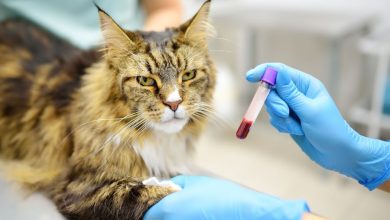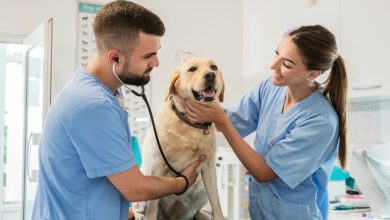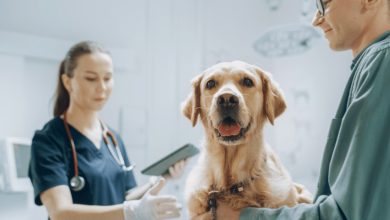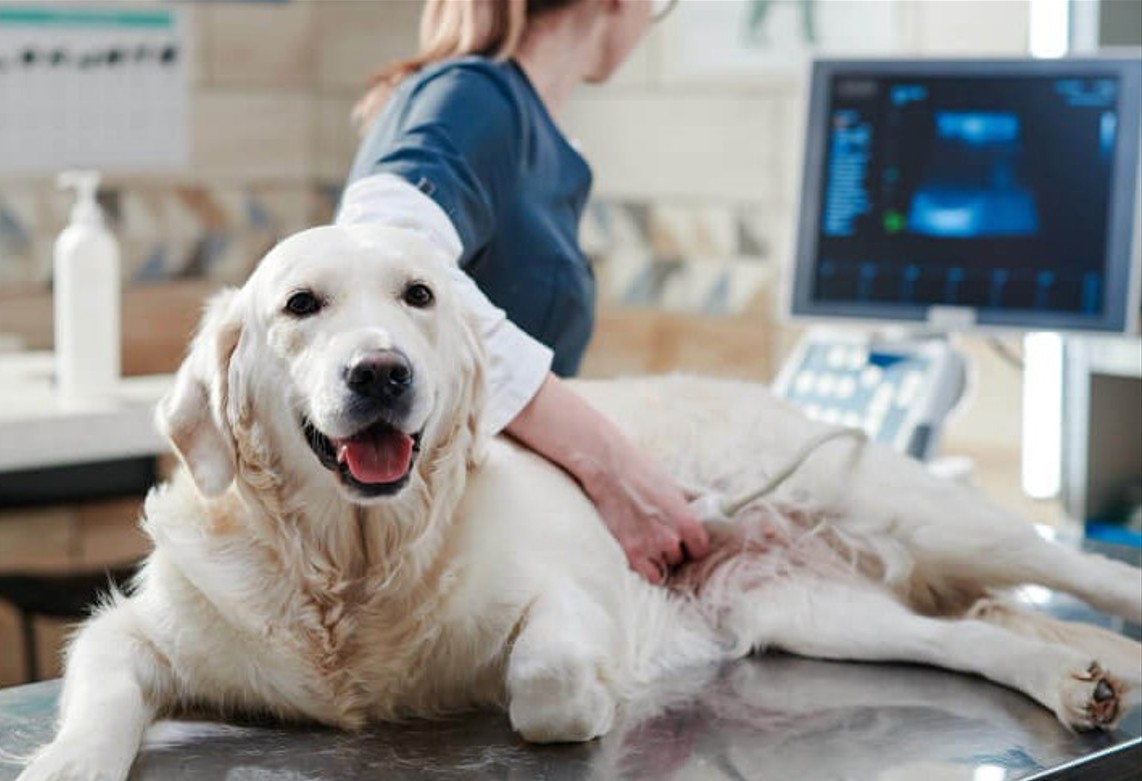
You see more imaging tools in veterinary clinics today because your animal’s life depends on fast, clear answers. Clinics now use X‑rays, ultrasound, CT, and MRI to spot problems before they turn into crises. That shift comes from three forces. First, pets live longer. They face cancer, joint damage, and heart disease that once went unseen. Second, you expect the same clarity for your pet that you expect for your own health. Third, new machines give sharper pictures at a lower cost, so clinics can bring this care in‑house. As a result, a Princeton vet and many others can find hidden injuries, guide surgery with precision, and track recovery with less guesswork. You gain earlier diagnoses. Your pet gains safer treatment. Clinics gain clear evidence for every decision. This change is not a trend. It is a hard response to real medical needs.
Why imaging matters for your pet’s health
You cannot ask your pet where it hurts. Imaging gives that missing voice. Pictures show organs, bones, and soft tissue so your care team can see inside without cutting.
Imaging helps in three clear ways.
- It finds disease early when treatment works best.
- It narrows the cause of vague signs like limping, coughing, or weight loss.
- It checks how well treatment works so you avoid blind guesswork.
The U.S. Food and Drug Administration explains how X‑rays and other tools create images of the body to support safe care.
Common imaging tools and what they show
Clinics expand imaging because each tool answers a different type of question. No single test fits every case. You and your vet choose based on the problem, cost, and risk.
| Imaging type | What it shows best | Common uses | Typical time in clinic
|
|---|---|---|---|
| X‑ray | Bones and chest | Broken bones, arthritis, lung and heart checks | Minutes |
| Ultrasound | Soft organs | Abdomen pain, heart checks, pregnancy | 30 to 60 minutes |
| CT | Cross‑section detail | Head, spine, complex fractures, cancer staging | 1 to 2 hours |
| MRI | Brain, spinal cord, joints | Seizures, paralysis, cruciate tears, nerve pain | 2 to 3 hours |
Three main reasons clinics are adding more imaging
1. Pets live longer and need clearer answers
Better vaccines, parasite control, and food mean your pet reaches senior years more often. Age brings cancer, kidney disease, torn ligaments, and heart trouble.
Early pictures change the outcome. A small mass in the lung may be treatable. A large one may not. A mild joint change may respond to rest and simple medicine. A severe tear may need surgery. Imaging draws that line.
2. You expect human-grade care
You see CT and MRI on human health sites and in news stories. You know these tools save lives. You want the same level of certainty for your pet.
Clinics respond by bringing more imaging on site instead of sending you to faraway centers. That reduces wait time. It also keeps your pet’s care in one trusted place.
3. New machines are safer and more reachable
Modern units use lower doses and clearer sensors. That reduces risk while raising detail. The U.S. Environmental Protection Agency gives straight facts about radiation and safety at EPA radiation health effects.
At the same time, costs for many units have dropped. Practices can share equipment or use mobile services. That spreads access beyond large cities.
How imaging changes your visit
Expanded imaging changes what a “checkup” or “sick visit” can do for you and your pet.
- You get quicker answers. Many clinics can take pictures the same day.
- You get clearer treatment plans based on what the vet can see, not only on touch.
- You can track change over time with repeat images that show if a lump grows or a heart enlarges.
This does not replace a hands-on exam. Instead, it backs up what the vet sees and feels with proof.
What this means for cost and choice
Imaging can feel costly. Yet it can prevent wasted spending on the wrong drugs or unneeded surgery.
Use three steps to handle cost with control.
- Ask what each test might change. If the result does not change treatment, you may not need it.
- Ask if there is a simpler first step. An X‑ray may come before CT.
- Ask about timing. Some tests can wait if your pet is stable.
Insurance for pets often helps with imaging. So do wellness plans and payment plans. Clear talk with your clinic keeps surprises low.
How to prepare your pet for imaging
You can reduce fear and stress for your pet with three simple moves.
- Ask if fasting is needed. Many tests require an empty stomach.
- Bring a favorite toy or blanket to comfort your pet in the waiting room.
- Plan your own schedule so you do not feel rushed. Calm owners calm pets.
Some scans need sedation so your pet stays still. Your vet will explain the drugs used, how your pet will feel, and when you can expect a full recovery after the visit.
Looking ahead for your pet’s care
Expanded imaging in veterinary clinics is a direct answer to your pet’s longer life and your need for honest, fast knowledge. When you see new machines in your clinic, you are not looking at luxury. You are looking at tools that can catch silent disease, guide safer surgery, and shorten the path from fear to a clear plan.
You protect your pet when you ask straight questions, weigh each test, and use imaging as one strong part of a full care plan. That shared effort gives your companion the best chance at more good years with you.