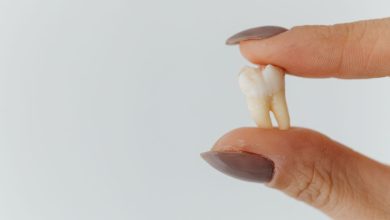
You might not think much about your gums until something changes. Maybe your toothbrush comes away pink, your breath seems harder to freshen, or a tooth that always felt steady now feels a little off. That shift can be unsettling, because once you start wondering whether you could lose a tooth, it is hard to ignore. The good news is that a Minneapolis periodontist often steps in at exactly that point, when the goal is not just to treat a problem, but to help you keep the teeth you already have.
If you want the short version, here it is. Periodontists protect natural teeth by treating gum disease early, stopping bone loss, cleaning infected areas that regular brushing cannot reach, correcting gum issues that put teeth at risk, and creating a long term plan that supports your oral health. According to the CDC’s overview of gum and periodontal disease, gum disease is common, and it can quietly damage the tissues that hold your teeth in place. That is why timely care matters.
Why do natural teeth become vulnerable in the first place?
Most people assume teeth fail because of cavities alone, but the support system around the teeth matters just as much. Your gums, connective tissues, and jawbone all work together to hold each tooth firm. When plaque and bacteria sit along the gumline, inflammation can begin. At first, that may look like mild gingivitis. If it keeps going, the infection can move deeper and start breaking down the bone and tissue that support the tooth.
Because of this, the problem is not always obvious at the start. You may feel fine while damage builds slowly underneath. The National Institute of Dental and Craniofacial Research explains gum disease in a way that makes this clear. Bleeding gums, gum recession, loose teeth, and chewing discomfort can all be signs that the foundation around your teeth needs attention.
So, where does that leave you? It means saving a tooth is often about more than the tooth itself. It is about protecting the structures around it, and that is where a periodontist and implant dentist can make a real difference.
How does a periodontist help stop gum disease before it costs you a tooth?
The first way periodontists help is by finding and treating periodontal disease with more precision than routine home care can provide. If bacteria have moved below the gumline, brushing and flossing alone cannot fully remove the buildup. A periodontist can measure pocket depths around each tooth, assess gum attachment, and identify where tissue breakdown is happening.
That matters because early treatment can slow or stop the chain reaction. Left alone, inflamed gums can pull away from the teeth, creating deeper spaces where bacteria thrive. Once that cycle starts, the risk to your natural teeth rises. A specialist in gum disease treatment focuses on interrupting that process before it becomes harder to reverse.
Can deep cleaning and targeted care really save teeth?
In many cases, yes. The second way periodontists protect natural teeth is through deep cleaning treatments such as scaling and root planing. These procedures remove plaque, tartar, and bacteria from below the gumline and smooth the root surfaces so the gums can reattach more easily.
This kind of care is different from a standard cleaning. It is designed for areas where infection has already gone deeper. Think of it as clearing out the places where disease hides and where your toothbrush simply cannot reach. For someone with early to moderate periodontal disease, that step may help reduce pocket depth, calm inflammation, and improve the odds of keeping the tooth stable over time.
What happens when bone loss has already started?
The third way periodontists help is by managing bone and tissue loss before it leads to tooth loss. When gum disease progresses, the bone around the teeth can shrink. Once support drops too far, teeth may shift, loosen, or become painful to bite on. That can feel frightening, especially if the change seems sudden. In reality, it often developed over time.
A periodontal specialist may use therapies aimed at controlling infection and, in some cases, rebuilding lost support. Depending on your needs, treatment could include regenerative procedures, bone grafting, or other methods meant to strengthen the area around the tooth. Not every case allows full restoration, but many cases can still be stabilized enough to protect natural teeth longer.
How do gum recession and bite issues put healthy teeth at risk?
The fourth way periodontists protect teeth is by treating gum recession and other soft tissue problems. When gums recede, more of the tooth root becomes exposed. That can lead to sensitivity, higher risk of root decay, and less support around the tooth. If you have ever noticed a tooth looking longer than it used to, that is often part of the story.
Periodontists can evaluate whether recession is tied to gum disease, brushing habits, clenching, or bite forces. In some situations, soft tissue grafting may help cover exposed roots and improve protection. In others, the main goal is to stop the recession from getting worse. Either way, preserving the gum tissue around your teeth helps preserve the teeth themselves.
Why does ongoing maintenance matter so much after treatment?
The fifth way periodontists help is through long term maintenance. This is the part many people overlook, yet it may be the reason a saved tooth stays saved. After active treatment, bacteria can return if follow up care slips. Regular periodontal maintenance visits help monitor pocket depths, remove buildup, and catch small changes before they become major setbacks.
That kind of steady care also gives you a realistic plan. You are not left guessing whether your gums are improving or whether a loose feeling is serious. You get a schedule, a clear view of risk, and practical guidance. The CDC’s oral health tips for adults also reinforce the basics that support this work, including daily brushing, flossing, and routine dental visits.
What is the difference between waiting and getting periodontal care now?
When people put off care, it is often because the symptoms seem small, or because they hope the problem will settle down on its own. But gum disease rarely works that way. Here is a simple comparison of what often happens.
| Situation | Waiting Too Long | Seeing a Periodontist Early |
| Bleeding gums | Inflammation may deepen and spread below the gumline | Cause can be identified and treated before more damage occurs |
| Deep pockets around teeth | Bacteria remain trapped and bone loss may continue | Deep cleaning and monitoring can reduce infection |
| Gum recession | Roots stay exposed and support may weaken further | Tissue treatment may protect roots and slow progression |
| Loose teeth | Greater chance of tooth movement or tooth loss | Stabilization and support planning may help preserve natural teeth |
What can you do right now if you are worried about your teeth?
- Pay attention to early signs. Bleeding when you brush, bad breath that lingers, gum tenderness, recession, and loose teeth are all reasons to take the next step. Even mild symptoms can point to deeper issues.
- Schedule a periodontal evaluation. If you suspect gum disease, a specialist can measure what is happening below the surface. That gives you facts instead of guesswork, which often lowers stress on its own.
- Tighten up your daily routine. Brush twice a day, floss daily, and follow any cleaning instructions you are given. Home care alone may not fix established disease, but it does support every treatment meant to save your teeth.
What does all of this mean for your next step?
If you have been worrying about bleeding gums, gum recession, or teeth that do not feel as secure as they once did, you are not overreacting. Those changes deserve attention, and in many cases, there is still time to protect what you have. Periodontal care is often about preserving your natural teeth for as long as possible, not rushing you toward replacement.
You do not need to wait for pain or a dental emergency to act. A careful evaluation and the right treatment plan can help you understand what is happening now, what can be improved, and how to give your teeth a better chance to last.