A serious accident can cause a brain injury even when there is no visible wound. A person may walk away from a crash thinking they are fine, only to develop headaches, memory problems, dizziness, or mood changes hours or days later. Because some brain injuries are difficult to recognize, getting proper medical attention after an accident is important.
When an injury may have been caused by someone else’s actions, speaking with a skilled traumatic brain injury lawyer can help a person understand available legal options. A legal professional can review the accident, explain how an injury claim works, and help identify records and other evidence that may matter.
How Traumatic Brain Injuries Happen
Traumatic brain injuries can happen in many situations. Vehicle crashes are a common cause, but people can also suffer brain injuries after falls, workplace incidents, sports accidents, bicycle crashes, pedestrian collisions, and other events involving a sudden impact or violent movement of the head.
A brain injury does not always require a direct blow to the head. A sudden jolt can cause the brain to move inside the skull and damage brain tissue. The seriousness of an injury can range from a mild concussion to a severe injury involving long-term physical or cognitive problems. Some people recover quickly, while others need months or years of treatment.
Signs That Should Not Be Ignored
Some symptoms appear immediately, while others develop later. Headaches, dizziness, confusion, blurred vision, nausea, and unusual tiredness may be early warning signs. A person may also have trouble concentrating, remembering conversations, or completing tasks that once seemed easy.
Changes in behavior can be especially difficult for family members to understand. Someone with a brain injury may become unusually irritable, anxious, withdrawn, or emotional. Sleep problems and sensitivity to light or noise can also occur. These symptoms should not automatically be dismissed as stress after an accident.
Watch for symptoms such as:
- Repeated vomiting
- Loss of consciousness
- Increasing confusion
- Severe or worsening headaches
- Seizures
- Difficulty speaking or walking
- Weakness or numbness
- Unusual behavior or extreme drowsiness
Why Some Brain Injuries Are Hard to Prove
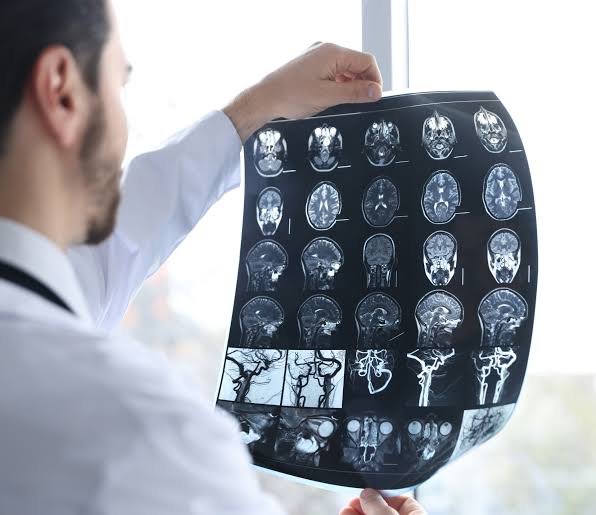
One challenge with traumatic brain injuries is that the damage may not always be visible. A broken bone can often be identified through imaging, but some brain injuries involve symptoms that are harder to measure. A person may look healthy while struggling with memory, concentration, balance, or emotional changes.
These problems can affect nearly every part of daily life. Someone may have difficulty returning to work, caring for children, driving, studying, or completing normal household tasks. Medical records, diagnostic testing, treatment notes, work records, and statements from people close to the injured person can help show how the injury affects daily activities.
Building Evidence After an Accident
Good documentation can become important when an accident leads to an injury claim. Medical records can establish the nature of the injury and the treatment that followed. Keeping appointments and following medical instructions can also create a clearer record of recovery and show how symptoms change over time.
It is useful to preserve information related to the accident as soon as possible. Depending on the circumstances, this may include photographs, videos, witness information, accident reports, medical bills, employment records, and insurance communications. A personal journal can also help document symptoms that may be difficult to remember later.
Important records may include:
- Emergency room and hospital records
- Diagnostic scans and testing
- Specialist evaluations
- Therapy records
- Prescription information
- Medical bills
- Lost wage documentation
- Accident or incident reports
- Photographs and videos
- Witness contact information
How Brain Injuries Can Affect Daily Life
The impact of a traumatic brain injury can extend beyond medical treatment. A person may need rehabilitation, assistance at home, or changes to a normal routine. Some people cannot return to the same job or may need additional training before they can resume working. Even simple activities can require more time and effort during recovery.
Family members can also experience major changes. A person who once handled household responsibilities may need help with shopping, transportation, finances, or personal care. When an injury causes lasting limitations, it is important to consider both immediate needs and possible future care.
The financial effects can include:
- Emergency medical treatment
- Hospital and rehabilitation expenses
- Prescription costs
- Follow-up appointments
- Lost income
- Reduced ability to work
- Future medical care
- Long-term assistance
Understanding the Legal Side of a Brain Injury
When another party may be responsible for an accident, an injury claim can involve more than showing that an injury occurred. The accident circumstances, evidence of negligence, medical diagnosis, and connection between the accident and injury may all matter. Specific legal requirements depend on the facts and applicable law.
Insurance companies may review the evidence when evaluating a claim. Questions can arise about symptom severity, previous medical conditions, treatment history, or requested compensation. Organized records can help provide a clearer picture of what happened and how the injury has affected the person’s life.
The legal process may involve reviewing accident evidence, collecting medical records, communicating with insurers, calculating losses, and negotiating a settlement. If a resolution cannot be reached, litigation may become necessary depending on the circumstances.
Getting Medical Help and Legal Guidance
The first priority after a suspected brain injury should be medical care. The Centers for Disease Control and Prevention’s traumatic brain injury resources provide information about symptoms, diagnosis, recovery, and brain injury care. Medical professionals can determine what evaluation and follow-up care may be appropriate.
Legal guidance can be useful when an injury was caused by an accident involving another person, business, property owner, employer, or other potentially responsible party. A lawyer can review the available facts and explain possible next steps. Prompt guidance may also help preserve evidence while it is still available.
Taking the Right Steps After an Injury
A traumatic brain injury can change a person’s routine in ways that are not immediately obvious. Symptoms may develop gradually, and recovery can involve medical care, rehabilitation, family support, and changes at work or home. Recognizing warning signs early can help people seek appropriate treatment.
After an accident, focus on protecting both health and important records. Seek medical attention, follow treatment instructions, document symptoms, preserve accident evidence, and keep track of expenses and missed work. When another party may be responsible, legal guidance can help an injured person understand available options and make informed decisions about a claim.