You know your pet’s normal. You know how they greet you, how fast they bounce back after play, and what a usual scrape or bruise looks like. When something feels off, especially when you see bleeding that seems out of proportion or bruises that seem to appear from nowhere, that worry hits fast, and reaching out to a veterinarian in Plano TX can help you get answers quickly. A blood clotting problem in a dog or cat can start quietly, then turn serious with very little warning.
7 clues a pet may have a blood clotting disorder often include unexplained bruising, nosebleeds, bleeding gums, blood in urine or stool, weakness, swelling, and bleeding that does not stop as expected. Some causes are inherited. Others show up after toxin exposure, immune disease, liver disease, cancer, or low platelet counts. The hard part is that the signs can look mild at first, right up until they are not.
Unexplained bleeding is one of the clearest signs of a pet clotting problem
The first clue is bleeding that does not match the situation. A tiny nail trim nick should not keep oozing for a long time. A pet should not leave drops of blood after light play, nor should they develop a large bruise after a minor bump. If your dog or cat bleeds longer than usual, their blood may not be clotting the way it should.
The second clue is bruising under the skin. You may notice purple, blue, or dark patches on the belly, ears, or gums. Some pets also get pinpoint red spots called petechiae, which can look like a rash. These marks can point to platelet problems, including immune mediated thrombocytopenia. VCA explains this condition in its overview of immune mediated thrombocytopenia in dogs and cats.
The third clue is bleeding from the nose or gums. A random nosebleed can seem easy to dismiss, especially if it stops on its own. Gum bleeding may show up while chewing toys or eating kibble. Repeated episodes matter, even when they seem small.
Blood in waste, low energy, and swelling can signal an underlying bleeding disorder in pets
The fourth clue is blood where it should not be, especially in urine or stool. Red urine, black tarry stool, or streaks of blood in the litter box are all red flags. Internal bleeding is not always obvious, and changes in waste can be one of the first visible signs.
The fifth clue is weakness, pale gums, or sudden fatigue. Blood loss, even when you cannot see it, can lead to anemia. Your pet may seem less interested in food, slower on walks, or too tired to jump up to their usual spot. You might think they are just having an off day. If that “off day” comes with bruising or bleeding, it deserves quick attention.
The sixth clue is swelling, especially in joints, under the skin, or in the abdomen. Some pets bleed into tissues or body spaces, which can cause pain, limping, belly enlargement, or reluctance to move. Cornell’s page on internal medicine medical conditions touches on how internal disease can create signs that are easy to miss until they build.
The seventh clue is bleeding after surgery, dental work, or injury that seems excessive. Sometimes a clotting disorder is first discovered only after a routine procedure. A pet who bled more than expected during a spay, neuter, tooth extraction, or even a blood draw may need deeper testing.
Clotting disorders in dogs and cats often need fast testing, not watchful waiting
This is where many owners get stuck. You see one strange symptom, then another, and it is tempting to wait for a clearer pattern. The risk is that bleeding disorders can worsen quickly. Rat poison exposure, severe platelet loss, liver problems, and certain cancers can all interfere with normal clotting. Some pets seem stable until they suddenly are not.
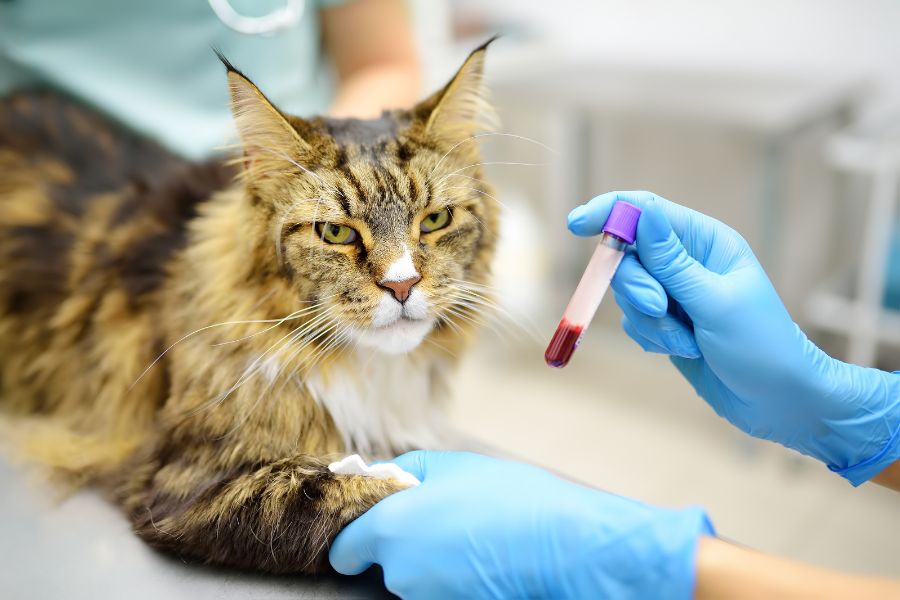
Diagnosis usually starts with a physical exam, bloodwork, platelet evaluation, and clotting tests. Cornell outlines a diagnostic approach for bleeding and clotting disorders that shows how veterinarians sort out whether the problem is platelets, clotting factors, blood vessels, or another disease process.
Signs of a blood clotting disorder in pets can overlap with many other conditions, which is why guessing at home can backfire. A pet with internal bleeding may simply look tired. One with low platelets may only show a few belly spots at first. The sooner your veterinary hospital can test, the sooner treatment can start.
Watching at home versus getting prompt veterinary care leads to very different outcomes
| Situation | Watch and Wait at Home | Prompt Veterinary Hospital Visit |
|---|---|---|
| Mild bruising appears on belly or gums | Cause may be missed until bruising spreads or bleeding starts elsewhere | Exam and blood tests can check platelets, anemia, and clotting times early |
| Nosebleed stops after a few minutes | May seem resolved even if an underlying clotting defect remains | Veterinarian can look for repeat risk, toxin exposure, or systemic disease |
| Blood in urine or stool | Internal bleeding or severe illness may progress unnoticed | Testing can identify whether bleeding is urinary, intestinal, or systemic |
| Weakness and pale gums | Can worsen into collapse if blood loss continues | Rapid care allows stabilization, transfusion planning, and treatment |
| Bleeding after nail trim or small wound | Repeated episodes increase blood loss and delay diagnosis | Veterinary care can control bleeding and uncover the reason it happened |
Immediate steps can protect a pet with possible clotting issues
- Limit activity and prevent more trauma. Keep your pet calm, indoors, and away from rough play. Avoid giving any over the counter medication unless your veterinarian tells you to. Some drugs can worsen bleeding.
- Check for patterns and document what you see. Look at the gums, belly, ears, urine, and stool. Take photos of bruises or blood spots and note when they started. If your pet may have gotten into rat poison or another toxin, bring that information with you right away.
- Call a veterinary hospital the same day. If there is ongoing bleeding, pale gums, trouble breathing, collapse, or a swollen painful belly, treat it as urgent. Pet bleeding disorder symptoms are not something to monitor for days hoping they fade on their own.
Fast action gives your pet the best chance to recover
You are not overreacting by taking unusual bruising or bleeding seriously. In many cases, the visible sign is only the surface of the problem. A clotting disorder can be manageable once the cause is identified, but waiting can make treatment harder and more expensive. If you are seeing any of these clues, contact a veterinary hospital as soon as possible and have your pet evaluated.