If you have ever walked through a spa during a renovation and thought the electrical work looked roughly the same as any other commercial fitout, you are not alone. Most spa and wellness centre owners – and quite a few interior designers – treat the electrical scope as standard commercial wiring with a few waterproof light fittings thrown in. That assumption is where the problems start.
Wet rooms in spas are one of the most electrically demanding environments in commercial interiors, and the gap between what most people think is needed and what is actually required is wide enough to cause serious safety issues, failed inspections, and expensive rework.
Water and Electricity Are Not Casual Neighbours
This sounds obvious enough that you might wonder why it needs saying. But the reality is that most of the electrical risk in spa wet rooms is from the subtle, invisible stuff – moisture migration through walls, condensation inside junction boxes, water vapour working its way into connections that looked perfectly sealed on installation day.
In a standard commercial bathroom, you have a sink and maybe a shower. The wet zone is small, predictable, and well understood. In a spa wet room – think steam rooms, hydrotherapy areas, plunge pools – the entire space is the wet zone. Water is not an incidental presence. It is the whole point of the room. And that changes the electrical requirements fundamentally.
Singapore’s tropical climate makes this worse. The ambient humidity is already high before you add steam generators and water features into a small enclosed space. What you end up with is an environment where moisture is constant, pervasive, and relentless. Electrical components that would last years in a dry office environment can degrade in months if they are not rated for that kind of exposure.
Ingress Protection Ratings Are Not Optional Details
Every electrical fitting has an Ingress Protection (IP) rating that tells you how well it resists dust and water. In a regular commercial space, you might never think about IP ratings because the standard fittings are adequate for the environment. In a wet room, IP ratings become one of the most important specifications in your entire fitout.
The rating system works on two digits – the first for solid particle protection, the second for water protection. What matters for spa wet rooms is that second digit, and the level of protection you need depends on exactly how the fitting will be exposed to water. A light fixture recessed into the ceiling of a steam room needs a different rating from one mounted on the wall next to a plunge pool, even though both are “in a wet room.”
Here is where things get practical. If your interior designer specifies a beautiful pendant light for the relaxation area adjacent to the steam room, someone needs to verify that the fitting carries an IP rating appropriate for an environment with constant high humidity and occasional direct water exposure. A fitting that is splash-resistant is not the same as one that can handle sustained moisture exposure. Getting this wrong does not just risk an inspection failure – it creates an ongoing safety issue that may not manifest until the fitting has been installed and operating for months.
For commercial projects in Singapore, contractors like Mr Electrician SG are familiar with specifying and verifying IP ratings across different wet room configurations, which is the kind of detail that often falls to someone who has done this specific type of work before.
Safety Zones Are More Complicated Than You Think
If you have dealt with bathroom renovations in residential settings, you might be familiar with the concept of safety zones around baths and showers – areas where certain types of electrical equipment are restricted. Spa wet rooms take this concept and make it significantly more complex.
The basic principle is straightforward: the closer an electrical fitting is to a water source, the higher the protection requirements. But in a spa wet room, where the water source might be the entire room, defining those zones becomes a genuine design challenge. A steam room, for instance, does not have a neat boundary between the wet zone and the dry zone. The whole space is saturated. A hydrotherapy area with multiple water features creates overlapping zones that need to be mapped carefully.
What does this mean in practice? It means your electrical layout cannot be an afterthought. The position of every switch, every light fitting, every ventilation fan motor, and every control panel needs to be determined in relation to the water sources in the room. And that determination needs to happen during the design phase, not during installation when the tiler is asking the electrician where to leave a gap for the light switch. So what happens when the zones are not properly mapped? You end up with fittings in locations that do not comply, which means ripping out finished tiling to relocate them. That is exactly as expensive and disruptive as it sounds.
Residual Current Protection in Wet Environments
Every commercial electrical installation in Singapore includes some form of residual current protection – devices that detect when current is leaking to earth and cut the supply before it becomes dangerous. In a standard commercial space, the Residual Current Circuit Breaker (RCCB) configuration is relatively standard. In a spa wet room, it requires much more careful thought.
The reason is sensitivity. In a wet environment, the threshold for dangerous current leakage is lower because the human body’s resistance drops significantly when wet. Your RCCB protection for wet room circuits needs to account for this. But here is the tension: if you make the protection too sensitive, you get nuisance tripping every time a steam generator cycles or a pump motor starts. Too insensitive, and you have compromised the safety that the device exists to provide.
Getting this balance right requires someone who understands both the electrical characteristics of the equipment in the space and the protection requirements for the wet environment. This is not a textbook exercise. It involves understanding the actual inrush currents of the specific equipment you are installing, the ambient conditions in the space, and how the different circuits interact. A steam generator, a sauna heater, a hydrotherapy pump, and the lighting circuits all behave differently, and they all need protection that is calibrated to their specific characteristics.
Ventilation, Extraction, and the Wiring Nobody Sees
Wet rooms need ventilation. Lots of it. Steam rooms, in particular, generate enormous amounts of moisture that has to go somewhere, and the extraction systems that handle this are themselves electrical loads that sit in the worst possible environment – hot, humid, and often directly exposed to steam.
The wiring for extraction fans and ventilation systems in wet rooms needs the same level of protection as the visible fittings, but because it runs behind walls and above ceilings, it often gets less attention.
This is also where cable routing becomes important. In a dry commercial space, cable routes are primarily about accessibility and neatness. In a wet room, cable routes need to account for moisture migration, condensation, and in some cases direct water exposure. Cables need appropriate ratings, joints need proper enclosures, and the routing needs to keep electrical infrastructure as far from the worst moisture exposure as practical. None of this is visible in the finished space, but all of it matters for both safety and inspection compliance.
Why Your Interior Designer Cannot Handle This Alone
Let me be clear: a good interior designer is essential for a spa fitout. They understand the client experience, the flow of the space, the materials, and the aesthetic. But the electrical design of a wet room sits at the intersection of electrical engineering, safety regulation, and practical trade experience that falls outside the scope of interior design.
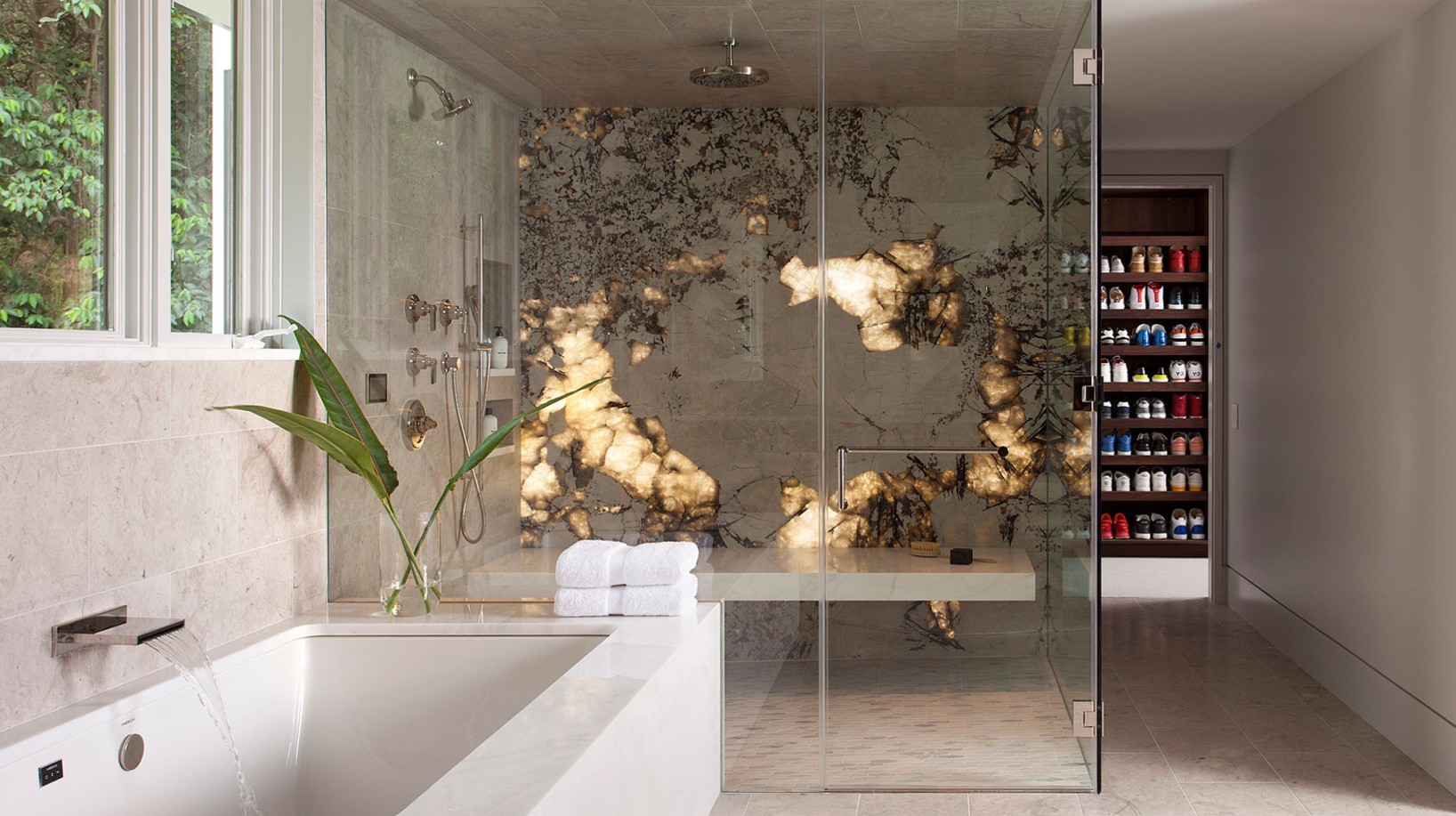
The problem is not that interior designers do not care about electrical safety. It is that the gap between what looks right and what is actually compliant in a wet room is not intuitive. An interior designer might specify a gorgeous steam room with recessed lighting, a digital control panel, and an integrated sound system, all of which is achievable – but only if the electrical infrastructure behind it is designed from scratch for a wet environment. When the electrical work is treated as something the renovation contractor figures out during construction, corners get cut. Not maliciously, but because the people doing the wiring may not have specific experience with the unique demands of wet room environments.
This is where having someone who specialises in commercial electrical work for these kinds of spaces makes a real difference. If you work with an EMA LEW from mrelectrician.sg from the design stage, the electrical requirements for your wet rooms get built into the project from the beginning rather than patched in during construction or discovered during inspection.
Treating Wet Room Wiring as a Separate Scope
If there is one practical takeaway from all of this, it is that the electrical work for your spa’s wet rooms should be treated as its own distinct scope of work, not bundled into the general electrical package for the rest of the space. The dry areas of your spa – reception, treatment rooms, retail area – are standard commercial environments with standard electrical requirements. The wet rooms are a different animal entirely, and they need a different level of expertise, different materials, and different planning.
When you brief your electrical contractor, separate the wet room scope from the rest. Make sure whoever handles the wet rooms has direct experience with these environments, understands the protection requirements for fittings and cabling, and can coordinate with your interior designer to resolve the inevitable conflicts between what looks good and what is safe. That conversation is much easier to have during the design phase than after the tiling is done and someone realises the light switch is in the wrong zone.
The hidden risk in every spa wet room is not that the electricity is dangerous. It is that the standards for keeping it safe are much higher than most people realise, and the consequences of getting it wrong range from failed inspections and costly rework all the way through to genuine safety incidents that no business owner wants on their conscience. Getting the electrical design right for these spaces is not a luxury. It is the cost of doing business properly.