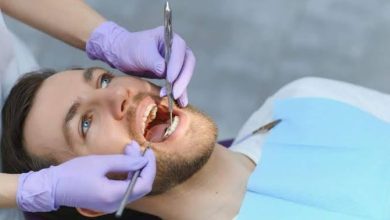
You might have noticed it slowly at first, a bitter taste that would not leave, a metallic flavor that kept showing up, or a strange change that made food seem off. Then it started following you through the day. Coffee tastes wrong. Water feels odd. Even brushing your teeth does not fix it. A Turlock dentist can help when something as basic as taste changes, because it can feel unsettling in a way that is hard to explain.
That stress makes sense. A persistent unusual taste can be linked to dry mouth, dental problems, infection, medicines, or other health issues, so it is worth bringing up with a general dentist. The good news is that you do not need to guess your way through it. Asking the right questions can help you understand whether the source is in your mouth, whether you need a medical referral, and what you can do next.
Why can a strange taste in your mouth feel so hard to pin down?
The tricky part is that taste problems do not always have one simple cause. Sometimes the issue starts in the mouth itself. Gum disease, tooth decay, an abscess, poor-fitting dental work, or a coating on the tongue can all affect how things taste. In other cases, the cause may be dry mouth, which can change taste because saliva helps dissolve food and carry flavor to your taste buds. The National Institute of Dental and Craniofacial Research explains the link between saliva and taste in its page on dry mouth.
Because of this overlap, you might wonder whether you are overreacting. You are not. If the change has lasted more than a short time, keeps returning, or comes with pain, swelling, bleeding gums, bad breath, or trouble eating, it deserves attention. A persistent bad taste in the mouth is not always urgent, but it is often a clue.
There is another layer too. Taste and smell work together, so what feels like a taste problem may partly be a smell problem. According to MedlinePlus information on taste and smell disorders, infections, allergies, aging, medicines, and nerve issues can all play a role. So, where does that leave you? It means your dental visit should focus on smart questions, not guesswork.
What 6 questions should you ask a dentist about a persistent unusual taste?
1. Could this unusual taste be caused by a dental problem?
This is the first place to start. Ask whether cavities, gum disease, plaque buildup, infection, a cracked tooth, or old dental work could be behind the taste. If you have any tenderness, bleeding, or sensitivity, mention it.
2. Do I have signs of dry mouth, and what might be causing it?
Dry mouth is common, and many people do not realize it can change taste. Ask if your saliva flow seems low and whether mouth breathing, dehydration, medicines, or another issue may be contributing.
3. Could my medications or supplements be affecting my sense of taste?
Many prescription drugs, over the counter products, and even vitamins can leave a metallic or bitter taste. Bring a full list. That includes allergy medicine, blood pressure medicine, antidepressants, and supplements.
4. Are there signs that I should also see a physician or specialist?
If your dentist does not find a clear oral cause, ask whether you may need follow-up with your primary care doctor, an ear, nose, and throat doctor, or another specialist. The National Institute of Dental and Craniofacial Research offers a helpful overview of taste disorders and possible causes beyond the mouth.
5. Could my oral hygiene routine be helping or hurting?
Sometimes the answer is simple, but not obvious. A coated tongue, trapped food, strong mouthwash, or missed flossing can affect taste. Ask whether you should change your toothpaste, add tongue cleaning, or adjust your routine.
6. What should I watch for if the taste does not improve?
This question matters because it turns a vague symptom into a plan. Ask how long improvement should take, what warning signs matter, and when to come back. That way, you are not stuck wondering if the problem is fading or getting worse.
When does home care help, and when is a general dentist the better next step?
It is natural to try a few things at home first. You may drink more water, brush more often, or switch mouthwash. Sometimes that helps, especially if the issue is mild dryness or temporary buildup. But if the taste keeps returning, home care can only take you so far.
Questions to ask a dentist about a strange taste become even more important when the problem affects eating, sleep, or daily comfort. What if the taste is tied to gum disease that is getting worse quietly? What if it is coming from a hidden infection? Catching the cause early can save discomfort, time, and money later.
| SITUATION | WHAT YOU CAN TRY AT HOME | WHEN TO SEE A DENTIST |
| Mild dry feeling with odd taste for a day or two | Drink water, avoid tobacco, use sugar free gum, keep up brushing and flossing | If it lasts beyond a short period or keeps returning |
| Metallic or bitter taste after starting a new medicine | Review timing and write down the medicine name | See a dentist to rule out oral causes and ask your doctor about medication effects |
| Unusual taste with bleeding gums, pain, swelling, or bad breath | Do not ignore it | Schedule a dental exam soon |
| Taste changes with no clear mouth symptoms | Track when it happens and what you eat or take | See a dentist first, then ask if a medical referral is needed |
What can you do right now if you are dealing with taste changes?
1. Track the pattern.
Write down when the taste started, whether it is metallic, bitter, salty, or sour, and what else is happening with it. Note any new medicines, dental work, colds, sinus issues, or dry mouth symptoms. That timeline can make your visit much more useful.
2. Bring the full picture.
At your appointment, mention all symptoms, even ones that seem unrelated. Dryness, mouth sores, congestion, reflux, or changes in smell may matter. If you wear dentures or have crowns, bridges, or fillings, include that too.
3. Ask for a clear next step.
Do not leave with a vague sense of “wait and see” unless you also know what to watch for. Ask whether you need treatment, a change in home care, or follow-up with another provider. A dentist for unusual taste concerns should help you leave with a plan.
What should you remember if this odd taste has been lingering?
If your mouth has not felt normal for a while, it is easy to downplay it, especially if life is busy and the symptom seems small compared with everything else. But taste changes can affect eating, comfort, and peace of mind, and they can point to issues worth catching early. You do not need to panic, and you do not need to keep guessing either.
A general dentist can help sort through the common causes, look for signs in your mouth, and guide you on what comes next. If that unusual taste keeps hanging around, make an appointment and bring these six questions with you. A calm, focused conversation can often be the first real step toward feeling normal again.