You did not expect a normal scrape or surgical site to turn into something this hard. One day your pet has a wound, the next you are hearing terms like tissue loss, drainage, bandage changes, infection risk, and delayed healing. That kind of update can leave you stunned, especially when your dog or cat still looks at you like everything should be fine. In moments like these, working with a trusted vet clinic in Corpus Christi can make the situation feel more manageable.
Some injuries are too deep, too large, or too slow to heal with standard bandaging alone. That is where negative pressure wound therapy for pets can help. In simple terms, animal hospitals use controlled suction over a protected wound to remove fluid, support healthy tissue growth, and help the area heal in a cleaner, more stable way. It is not used for every injury, but for the right case, it can make a hard situation more manageable.
Animal hospitals use wound vacuum therapy when regular bandaging is not enough
Difficult pet injuries often come with more than broken skin. There may be crushed tissue, infection, swelling, dead space under the skin, or a wound that keeps leaking fluid. Standard bandages protect the area, but they may not control moisture well enough, and too much moisture slows healing. Too little moisture can also damage tissue. That balancing act is one reason these cases become so frustrating.
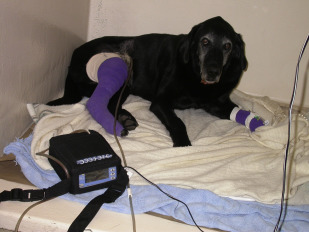
Wound vacuum therapy in animal hospitals is designed for that middle ground. A veterinary team places a special dressing over the wound, seals it, and connects it to a device that applies gentle negative pressure. That suction helps draw out excess fluid, reduce swelling, improve circulation in the wound bed, and encourage granulation tissue, which is the healthy tissue needed before closure or grafting.
You may hear this recommended after a bite wound, a degloving injury, trauma from being hit by a car, a large abscess, or a surgical wound that has broken open. These are the cases where healing can stall, and every extra day raises stress, cost, and infection risk.
Veterinary teaching hospitals have documented the value of this approach in severe cases. Iowa State’s report on Smokey’s skin graft treatment shows how advanced wound management can prepare damaged tissue for later reconstruction. Texas A&M’s surgery notes also describe negative pressure systems as a way to support wound bed preparation and drainage control in selected patients, which you can read in their veterinary surgery notes on wound care.
Negative pressure wound therapy helps control the problems that delay healing
The hardest part of a severe pet wound is that the visible injury is only part of the story. Under the surface, fluid builds up, bacteria can multiply, and fragile tissue can break down each time a dressing is changed. If your pet is active, anxious, or determined to lick the area, the problem gets bigger fast.
That is why negative pressure wound therapy is often used as part of a larger treatment plan, not as a stand-alone fix. It gives the wound a more controlled environment. Less fluid pooling means less pressure on tissue. Better contact between the dressing and the wound bed can support cleaner healing. Fewer disruptive dressing changes may also reduce pain and stress for some patients.
There are limits. A wound may still need surgical cleaning, antibiotics, pain control, sedation, reconstructive closure, or a skin graft. Some pets are not good candidates because of the wound type, exposed structures, bleeding concerns, or other health problems. This is one reason an animal hospital, especially one with surgical and advanced wound care support, can make such a difference. The team is not only treating the wound they are deciding what the wound needs next.
Difficult pet injuries often require a different level of wound care
You may be weighing cost, travel, anesthesia, and time away from work. That is real. Advanced care can feel like a lot, especially when the injury happened suddenly. The other side of that decision is also real. A wound that drags on for weeks may lead to repeated visits, repeated bandage changes, more medication, and more discomfort for your pet.
For some families, the best choice is basic wound care with close monitoring. For others, early referral for advanced wound care for pet injuries lowers the total burden because the wound stabilizes sooner. The right answer depends on the wound itself, your pet’s overall health, and how likely the area is to heal without more support.
Comparing standard bandaging and negative pressure wound therapy in pets
| Factor | Standard Bandaging | Negative Pressure Wound Therapy |
|---|---|---|
| Fluid management | Can become saturated and need frequent changes | Actively removes excess fluid from the wound |
| Swelling control | Limited in deeper or larger wounds | Helps reduce edema around the wound bed |
| Tissue support | Protects surface but may not optimize wound bed conditions | Supports granulation tissue formation in selected cases |
| Dressing change frequency | Often more frequent | Often less frequent, depending on the case |
| Use in severe trauma | May be enough for mild to moderate wounds | Often considered for large, contaminated, or hard to heal wounds |
| Cost | Lower upfront cost | Higher upfront cost, may reduce complications in the right patient |
Clear next steps help you make sense of a serious wound
Ask what the wound is doing beneath the surface.
A wound can look smaller than it really is. Ask whether there is dead space, drainage buildup, exposed tissue, or infection risk. Those details help explain why a vet may suggest more than a wrap and rest.
Get a treatment map, not just a single recommendation.
Ask what the next seven to ten days may look like. Will your pet need sedation for bandage changes, surgical debridement, a drain, a graft, or a wound vacuum system? A simple timeline helps you prepare emotionally and financially.
Watch the whole pet, not only the wound.
Appetite, energy, pain, odor, fever, and behavior matter. If your pet seems more withdrawn, restless, or uncomfortable, report it. Those changes can signal trouble before the wound itself looks worse.
Steady care gives difficult wounds a better chance to heal
A severe wound can make you feel like every choice carries risk, and in some cases that is true. The goal is not perfection. The goal is steady progress, less pain, and the kind of care that matches the wound in front of you. When an animal hospital recommends negative pressure therapy, they are usually responding to a wound that needs more control, more support, and a better healing environment than routine bandaging can provide.
If your pet is dealing with a difficult injury, ask your veterinary team whether this kind of animal hospital wound care is appropriate and what the full plan would involve. Clear answers make the next step easier.