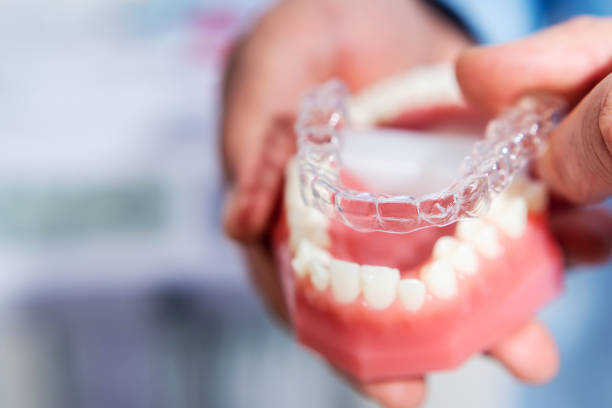
To opt for Invisalign Brisbane would mean to opt for aligners that help deal with the issues related to the arrangement of your teeth without wearing braces. While regular braces cannot be removed, Invisalign aligners should be placed on top of the teeth. Aligners are easy to remove for drinking, eating, and brushing and flossing teeth.
Among the common queries that people usually pose before commencing their treatments include “How long does Invisalign take?” This question has an answer based on different considerations, such as the severity of the misalignment of the teeth and wearing of the aligners daily, among others.
Understanding these factors can help you prepare for treatment and develop realistic expectations about your Invisalign journey.
1. Complexity of Your Dental Alignment
The starting position of your teeth is one of the main factors that influences your Invisalign treatment timeline. Every patient has different alignment concerns, and the amount of movement required can vary considerably.
For example, patients with minor gaps between their front teeth or mild crowding may require a relatively straightforward treatment plan. However, more complex concerns, such as significant crowding, rotated teeth, deep bites, underbites or crossbites, may require additional time and carefully planned tooth movements.
Before recommending Invisalign, your dentist will examine your teeth, bite and overall oral health. Digital scans, photographs and other diagnostic assessments may also be used to understand your dental structure and plan the treatment.
The more complex the required movements, the more stages may be involved in the treatment process.
2. How Consistently You Wear Your Aligners
Your daily commitment plays an important role in Invisalign treatment. Clear aligners generally need to be worn for approximately 20–22 hours each day, unless your treating dentist provides different instructions.
Because Invisalign aligners are removable, patients are responsible for wearing them as recommended. Frequently removing them for extended periods may interfere with the planned tooth movements.
For example, taking aligners out for meals is expected. However, forgetting to put them back in or wearing them for fewer hours than recommended can affect how well your teeth respond.
To support your treatment progress:
- Wear your aligners for the recommended number of hours each day.
- Remove them when eating or drinking anything other than water.
- Clean your aligners according to your dentist’s instructions.
- Store them in their protective case when not in use.
- Avoid skipping aligner stages or changing trays earlier than advised.
Developing a consistent routine can help you follow your treatment plan more effectively.
3. Following Your Aligner Change Schedule
Invisalign treatment involves wearing a series of custom-made aligners. Each set is designed to guide your teeth through a planned stage of movement.
Your dentist will explain when to move from one aligner to the next. Depending on your treatment plan, aligners may be changed every one or two weeks, although the schedule can vary.
It is important not to rush this process. Moving to the next set before your teeth are ready may affect how accurately the aligners fit and how effectively they guide tooth movement.
If your current aligners feel unusually tight, do not fit properly or cause unexpected discomfort, contact your treating dentist before changing trays. Your dentist can assess the fit and advise whether you should continue wearing the current set or make another adjustment.
Following the recommended schedule helps keep your treatment aligned with the planned stages.
4. Individual Tooth Movement and Biological Response
Although Invisalign treatment uses carefully designed aligners, teeth do not move at exactly the same rate for everyone.
Tooth movement involves changes in the surrounding bone and supporting tissues. These biological processes vary between individuals, which means two patients with similar alignment concerns may experience different treatment timelines.
Factors such as individual dental anatomy, the type of tooth movement required and the response of the supporting tissues can influence progress.
For this reason, your dentist will monitor how your teeth respond throughout treatment rather than relying only on the original estimated timeline.
It is important to understand that Invisalign is a gradual process. Allowing sufficient time for planned tooth movements is part of achieving an appropriate treatment outcome.
5. Regular Dental Appointments and Progress Monitoring
Attending scheduled appointments is another important part of Invisalign treatment. These visits allow your dentist to check whether your teeth are moving as expected and whether your aligners continue to fit correctly.
During a progress appointment, your dentist may assess:
- The fit of your current aligners.
- Changes in tooth position.
- Your bite and overall alignment.
- Any areas where teeth are not tracking as planned.
- Whether additional adjustments are required.
If your teeth are not following the planned movements, your dentist may recommend refinements or modifications to your treatment plan.
Missing appointments can make it harder to identify potential issues early. Keeping up with your scheduled visits allows your dental professional to monitor progress and provide guidance when needed.
6. The Need for Additional Aligners or Refinements
Some patients may need additional aligners towards the end of their initial treatment plan. This process is commonly known as refinement.
Refinements may be recommended when certain teeth have not reached their planned positions or when further adjustments are needed to improve alignment and bite relationships.
Your dentist may take another digital scan or impressions to create additional aligners based on your current tooth positions.
Needing refinements does not necessarily mean something has gone wrong. Tooth movement can vary, and additional stages may be part of the treatment process.
The number of refinement aligners required will depend on your individual progress and your dentist’s clinical assessment. These additional stages may extend the original estimated treatment timeline.
7. Your Overall Oral Health Before and During Treatment
Healthy teeth and gums provide an important foundation for orthodontic treatment. Before starting Invisalign, your dentist will assess your oral health to identify any conditions that may need attention.
Issues such as untreated tooth decay, gum inflammation or existing dental infections may need to be addressed before aligner treatment begins.
Maintaining good oral hygiene throughout Invisalign treatment is equally important. Food particles and plaque can accumulate around teeth if brushing and flossing are not performed properly.
To maintain your oral health:
- Brush your teeth twice daily using fluoride toothpaste.
- Floss regularly to clean between your teeth.
- Clean your aligners as recommended.
- Attend routine dental examinations.
- Contact your dentist if you notice gum swelling, persistent discomfort or other dental concerns.
Looking after your teeth and gums can help support a healthy treatment experience.
8. Lifestyle Habits and Daily Routines
Your everyday habits can also influence how consistently you follow your Invisalign treatment plan.
Busy work schedules, travel, social activities and irregular eating patterns may make it harder to maintain the recommended aligner-wearing routine.
For example, people who frequently remove their aligners during the day may find it challenging to achieve the recommended daily wear time.
Planning ahead can make treatment easier to manage. Carrying your aligner case, keeping cleaning supplies available and setting reminders to put your aligners back in after meals can help establish a consistent routine.
Small daily habits can make a difference in how well you follow your dentist’s instructions.
Why Consult a Dentist in Albany Creek Before Starting Invisalign?
If you are considering Invisalign, arranging an initial consultation is an important step towards understanding your treatment options.
A dentist Albany Creek can assess your dental alignment, examine your bite and discuss whether clear aligner treatment may be suitable for your needs.
During your consultation, you can discuss:
- Your current teeth alignment concerns.
- Whether Invisalign is appropriate for your dental condition.
- The estimated treatment duration.
- The expected number of aligner stages.
- The importance of daily wear and follow-up appointments.
- Any additional dental treatment that may be required before starting.
Your dentist can also explain the expected costs, treatment responsibilities and possible limitations based on your individual circumstances.
Remember that not every patient is suitable for Invisalign. Some alignment concerns may be better managed using other orthodontic approaches. A clinical examination is necessary to determine the most appropriate option.
How Long Does Invisalign Treatment Usually Take?
There is no single treatment duration that applies to everyone. Some straightforward cases may take several months, while more complex alignment concerns can require 12–18 months or longer.
Your treatment duration will depend on the movements required, your response to treatment, aligner-wearing consistency and whether additional refinements are necessary.
During your consultation, your dentist can provide an estimated timeframe after assessing your teeth and discussing your treatment goals. This estimate may change as your treatment progresses.
It is best to focus on following your treatment plan rather than comparing your progress with someone else’s Invisalign experience.
Final Thoughts
The Invisalign treatment timeline in Brisbane depends on more than just the number of aligners you receive. Dental alignment complexity, daily wear habits, individual tooth movement, oral health and regular dental appointments can all influence how long treatment takes.
Following your dentist’s instructions, wearing your aligners consistently and attending scheduled reviews can help support your treatment progress.
If you are thinking about improving your teeth alignment, consider arranging a consultation to discuss your options. A dentist in Albany Creek can help assess your dental needs, explain the Invisalign process and provide an estimated treatment timeline based on your individual circumstances.