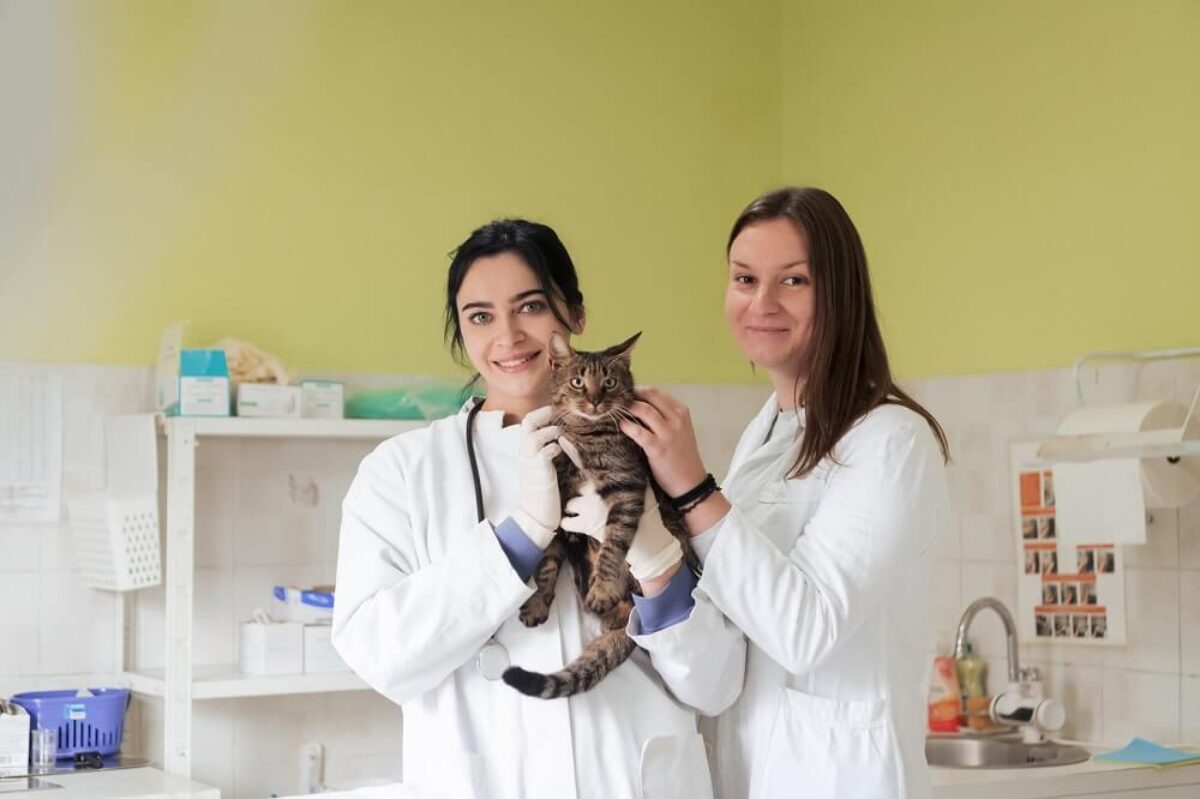
You might be looking around your hospital and thinking, “We can barely get through appointments some days. How are we supposed to run community outreach on top of this?” As an animal hospital in Baytown, TX, you care about the pets and people who never make it through your doors, yet the idea of organizing events, partnerships, and follow up care can feel heavy and unclear.end
That tension is real. On one side, you see the need in your community. On the other, you see your already stretched team, limited budget, and the fear of starting something that fizzles out after one or two events. You are not alone in that worry.
Here is the short version. When animal hospitals prepare for community outreach programs well, they treat them like core medical services, not side projects. They define their purpose, build predictable systems, train their team, and lean on proven models from teaching hospitals and shelter medicine programs. The result is calmer staff, better outcomes for animals, and outreach programs that actually last.
Why does planning outreach feel so hard for animal hospitals?
Before talking about solutions, it helps to name what makes animal hospital community outreach feel so overwhelming in the first place. It is rarely just about time. It is about uncertainty and risk.
Think about a typical scenario. A local rescue calls asking if your hospital can help with a free vaccine clinic. The idea sounds good. Then the questions start. Who will staff it. What about liability. How do you manage follow up care. How do you avoid upsetting paying clients if they feel pushed aside. The request that sounded simple now feels like a maze.
Because of this, many hospitals either say “yes” in the moment and then scramble, or they say “no” to protect their team. Both responses are understandable, yet neither builds the kind of steady, trusted outreach presence that communities really need.
There is also the emotional weight. Outreach often brings you face to face with pet owners who love their animals but cannot afford basic care, or with communities that have good reasons to mistrust institutions. Your team may feel unprepared for those conversations. They might worry about compassion fatigue, burnout, or being asked for help they cannot give.
Then there is the financial side. You still have to keep the lights on. Outreach that is not thought through can drain resources, lead to staff resentment, and create tension with existing clients. That fear alone can keep a hospital from even trying.
So where does that leave you. It means outreach needs the same thoughtful planning that you would give to a new medical service. The good news is that successful models already exist, and you can adapt them to fit your size, your team, and your community.
What does thoughtful preparation for outreach really look like?
Animal hospitals that run strong veterinary community outreach programs tend to do a few things consistently. They are clear on their purpose. They define which services they will offer and which they will not. They create repeatable workflows. They train students and staff, and they partner with organizations that already know the community well.
For example, some shelter medicine programs have built structured community outreach models that include mobile clinics, preventive care in underserved neighborhoods, and support for pet owners in crisis. The team at Kansas State, for instance, describes how their shelter medicine and outreach service focuses on keeping pets with their families whenever possible, not just providing one time treatment. You can see how they frame that work in their own words through their community outreach overview.
University based hospitals have also created frameworks that combine teaching, service, and outreach. At the University of Florida, extension and outreach programs connect clinical care, client education, and community partnerships in a structured way. If you are looking for ideas on how academic hospitals weave outreach into daily operations, their extension and outreach programs are a useful reference.
Some schools even formalize outreach in their curriculum. The University of Florida’s VEM 5891 Veterinary Community Outreach Program syllabus shows how students are trained to provide care in the community, manage logistics, and reflect on the social side of veterinary medicine. Reading through that community outreach syllabus can give your hospital ideas for staff training and expectations.
These models are not just for universities. A private animal hospital can adapt the same principles on a smaller scale. The key is to move from “we will figure it out on the day” to “this is how we prepare, every time.”
How do different outreach approaches compare in practice?
To make the planning more concrete, it helps to compare common outreach approaches side by side. Many hospitals start with ad hoc events, then move toward more structured programs as they learn what works for their team and community.
| Approach | What it looks like | Main benefits | Main risks or costs | Best fit for |
|---|---|---|---|---|
| Ad hoc events | Saying yes to occasional vaccine clinics, rescue days, or school talks when invited | Low planning at the start. Good way to test interest. Flexible timing. | Staff stress from last minute logistics. Inconsistent messaging. Hard to measure impact. | Hospitals just starting outreach or with very limited staff capacity. |
| Planned recurring clinics | Monthly or quarterly wellness or spay/neuter days with set criteria and protocols | Predictable for staff. Easier to train. Clear expectations for partners and clients. | Requires scheduling and leadership time. Needs clear boundaries with regular caseload. | Hospitals ready to commit to a specific service set and schedule. |
| Integrated outreach program | Outreach woven into daily operations, with defined roles, training, and community partners | Stronger relationships with community. Better data and follow up. Supports teaching and staff development. | Higher planning needs. Requires leadership buy in and ongoing coordination. | Hospitals with stable teams and a long term vision for community impact. |
Looking at the options in this way can help you decide what level of outreach your hospital can realistically support right now, instead of feeling pressure to do everything at once.
What practical steps can your hospital take to get ready?
You do not need a huge budget or a dedicated outreach department to start. You do need clarity, boundaries, and a few simple systems that protect your team while serving the community well.
1.Define your “why” and your limits in writing
Begin with a short, written purpose statement for your animal hospital outreach. For example, “Our hospital provides basic preventive care to underserved pets in our county through four free vaccine clinics per year, in partnership with local organizations.”
Then define limits. What you will offer and what you will not. How many events per year. Which staff roles are required. What happens if demand exceeds capacity. Put this in a one or two page outreach guideline that your whole team can see. This protects your staff from guilt driven yeses and gives you a clear way to say, “Here is what we can do, and here is what we cannot do right now.”
2. Build simple, repeatable checklists for each outreach type
Choose one outreach activity to standardize. Maybe a half day vaccine clinic or a spay/neuter transport day. Create checklists for before, during, and after the event. Include supplies, forms, consent language, triage criteria, and emergency protocols. Borrow ideas from models like shelter medicine outreach or university programs, then shrink them to your scale.
Use those checklists every time. After each event, hold a short debrief. What worked. What broke down. Update the checklist. Over time, your team will feel less anxious because the process becomes familiar and predictable.
3. Train your team for both medicine and communication
Clinical skills are only half of outreach. The other half is how your team communicates with people who may be stressed, ashamed about finances, or unsure whether they will be judged.
Offer brief training on topics like trauma informed communication, setting boundaries kindly, and explaining medical decisions in plain language. Review how to handle common difficult moments, such as when a client asks for services beyond the scope of the outreach event, or when an animal clearly needs more care than the owner can afford.
You can adapt teaching points from programs like the University of Florida’s community outreach course. Even a one hour internal workshop can lower your team’s anxiety and improve the experience for everyone involved.
Bringing it all together for your hospital and your community
You care about doing this well. You do not want a one time clinic that leaves your staff exhausted and your community confused. You want thoughtful, repeatable outreach that fits your hospital’s reality and genuinely helps the animals and people you serve.
That is possible. Start small. Name your purpose. Protect your limits. Build simple systems. Learn from hospitals and programs that have walked this road for years. As your team gains confidence, your outreach can grow in depth, not just in size.
You do not have to solve every gap in your community’s access to care. If you can show up in a consistent, honest way, with clear expectations and kind communication, that is already meaningful progress for both your hospital and the families who love their animals.