
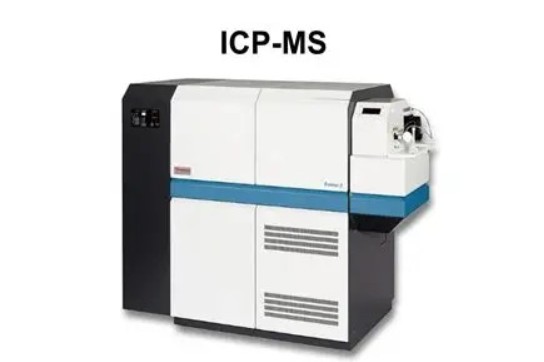
Airborne lead remains a concern in urban and industrial areas because of its potential effects on health and the environment. Even small amounts of lead in the air can accumulate in soil, water, and living organisms, posing risks to children and adults alike. Understanding where lead comes from helps communities make informed decisions about exposure and safety. Sources include current industrial emissions, traffic, and even historical residues from gasoline and paints. Modern laboratory techniques, such as ICP-MS, allow scientists to detect trace amounts of lead and distinguish its origin accurately. In this article, the ways scientists track lead pollution and the practical implications for everyday life are explored.
1. Lead Leaves a Unique Fingerprint
Isotopic ratios vary by source
Lead is a metal that carries a unique isotopic signature depending on its source. Industrial processes, vehicle emissions, and historical materials like old paint all have slightly different isotopic ratios. Scientists can measure these differences to identify the origin of lead particles in the air. Even tiny samples from street dust, soil, or filters provide valuable data about the contributing sources. Understanding these isotopic fingerprints allows communities to know whether current industrial activity or past contamination is the primary concern. This approach ensures that interventions target the most relevant sources of lead.
Scientists match samples to origin
Airborne lead is collected and analyzed to match its isotopic fingerprint with known sources. By comparing data, researchers can separate contributions from traffic, factories, and historical pollution. This method helps authorities prioritize cleanup or regulation where it is most needed. Homes, playgrounds, and schools can be assessed for exposure risk based on the dominant lead sources nearby. Knowledge of lead origins also guides personal safety measures, such as washing hands after outdoor play or cleaning surfaces regularly. Being able to trace lead allows both officials and residents to make informed choices to reduce risk.
2. Monitoring Networks Collect Data
Air filters capture airborne particles
Air quality monitoring networks often use filters to trap dust and particles from urban and industrial environments. These filters accumulate metals, including lead, over time, providing a snapshot of air contamination. Regular replacement and analysis of filters give insight into changing pollution levels and trends. Residents near busy roads, construction sites, or factories can benefit from understanding local air quality reports. The captured data also reveal patterns that indicate peak exposure times or high-risk areas. This practical information helps individuals and communities plan outdoor activities safely.
Labs analyze lead concentrations
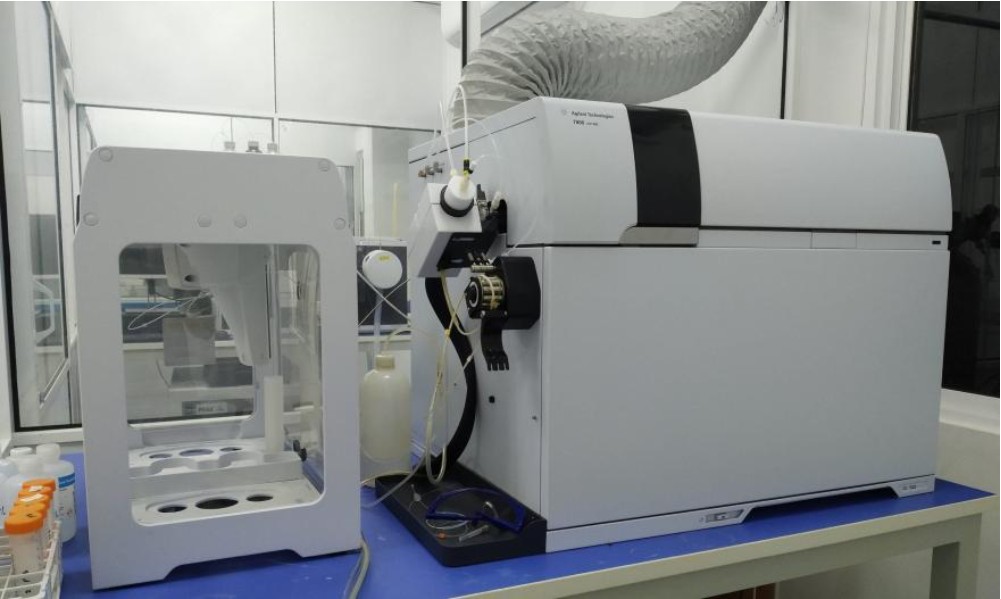
Collected filters are analyzed in laboratories to determine the concentration of lead and other metals. Techniques like icp ms allow detection of extremely low levels of lead that would otherwise go unnoticed. Accurate measurements inform public health advisories, policy decisions, and targeted mitigation efforts. Knowing precise concentrations also helps compare different neighborhoods or monitor improvements after interventions. Lab analysis ensures that both personal safety and environmental protection are based on reliable data. Continuous monitoring supports ongoing efforts to reduce airborne lead exposure over time.
3. Historical Lead Still Lingers
Old gasoline and paint residues remain
Even decades after the ban of leaded gasoline, residues still exist in soil, road dust, and old building materials. Paint chips from pre-1970s homes continue to release lead particles, which can become airborne or settle back onto soil. Children playing in yards or near older structures may inadvertently ingest small amounts. These historical sources contribute to a background level of lead that mixes with current emissions. Awareness of legacy lead is important for families, schools, and gardeners. Understanding that old pollution still exists helps guide precautions and soil management strategies.
Soil re-suspension kicks up past pollution
Wind, foot traffic, and construction activities can lift previously settled lead particles back into the air. Even in neighborhoods without active industrial sources, resuspended soil can expose residents to metals. Routine cleaning, dust control, and avoiding direct contact with contaminated soil can reduce exposure risk. Gardens and playgrounds benefit from soil amendments or clean topsoil to limit contact with legacy lead. Monitoring local soil and dust ensures that areas of concern are identified before exposure becomes significant. Recognizing this pathway emphasizes that historical pollution remains a practical concern in daily life.
4. Tracing Guides Cleanup Efforts
Pinpoint factories exceeding limits
Once sources of airborne lead are identified, authorities can focus on reducing emissions from industrial facilities. Pinpointing factories with higher outputs allows targeted interventions such as emission controls or updated technology. Reducing lead release at the source has immediate benefits for nearby neighborhoods. Community awareness campaigns often accompany these efforts to encourage safe practices. Knowing where pollution originates helps allocate resources efficiently and protect public health. Targeted cleanup is more effective than generalized measures.
Identify hotspots for regulation
Mapping areas with elevated lead levels highlights specific streets, playgrounds, and industrial zones requiring attention. Regulations and remediation efforts can prioritize these hotspots to reduce exposure. Local authorities may implement dust suppression, soil replacement, or traffic management strategies. Residents can take precautionary measures, including washing hands, cleaning surfaces, and avoiding high-dust areas. Targeted regulation ensures that interventions are meaningful and directly reduce health risks. Understanding pollution patterns empowers both policymakers and communities to take practical actions.
Conclusion
Lead pollution in the air comes from a mix of current industrial emissions, traffic, and historical sources such as old paint and gasoline residues. Advanced monitoring techniques, including ICP-MS, allow scientists to trace the origin of airborne lead and measure trace concentrations accurately. Identifying sources helps guide targeted interventions, such as emission control, soil remediation, and public safety measures. Awareness of both current and legacy lead exposure enables families and communities to take practical precautions in everyday life. Monitoring networks, lab analysis, and understanding resuspension patterns all play a role in reducing exposure risk. Tracking lead pollution empowers people to protect health while living safely in urban and industrial environments.