Finding a dental home for a child or adult with special needs can feel exhausting. You may worry about sensory overload, fear, or past bad visits. You may also feel alone. You are not. A family dentist trained to support special needs patients can change the entire experience. A calm space. Clear steps. Predictable routines. All help reduce distress and build trust. A Kingsport dentist who understands special needs care will listen to you. The team will ask about triggers, communication styles, and comfort objects. Then they will adjust the visit. Shorter appointments. Quiet rooms. Simple words. Step by step. Over time, regular visits protect teeth and gums. They also protect dignity. This blog explains how family dentistry works for special needs patients, what you can ask for, and how to prepare for the first visit. You deserve safe care. Your loved one deserves respect.
Why regular dental care matters for special needs
People with special needs face a higher risk of cavities, gum disease, and tooth pain. Some take daily medicines that dry the mouth. Others grind their teeth. Many find brushing and flossing hard. These issues build up fast.
The Centers for Disease Control and Prevention explains that poor oral health can affect eating, speaking, and learning. It can also affect self-esteem.
Regular family dental care helps you in three ways.
- It finds small problems before they cause pain.
- It supports daily home care with clear tips.
- It builds trust through repeated calm visits.
How family dentists adapt care for special needs
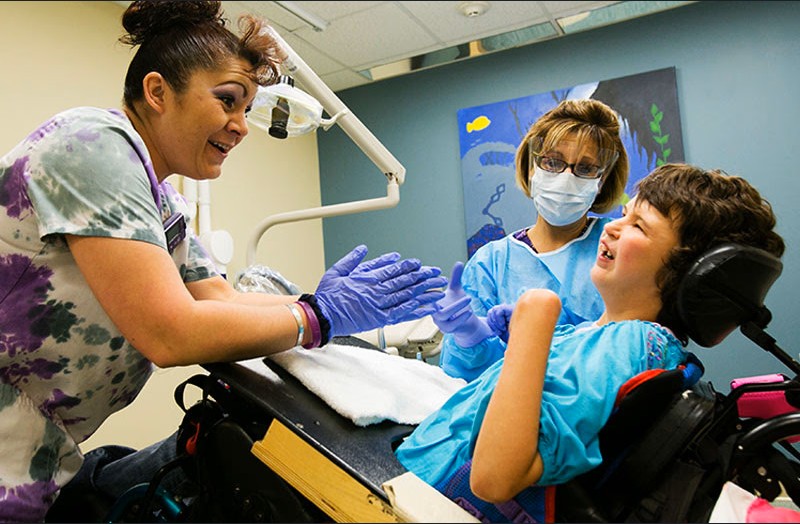
A good family dentist does not expect every patient to fit one routine. The team shapes care around your loved one. That respect shows in three simple steps.
1. Listening before doing
The visit begins with questions. You can share
- Medical conditions and medicines
- Sensory triggers such as light, sound, or touch
- Communication needs such as pictures, devices, or sign language
- Past bad visits and what went wrong
- Comfort items such as headphones, a toy, or a blanket
The dentist then plans care that fits these needs. Nothing starts until you agree.
2. Changing the setting
Many changes are simple. Yet they can lower fear and overload.
- Quiet rooms away from busy halls
- Dimmed lights or sunglasses
- Limited smells from cleaning products
- One staff person speaking at a time
- Extra time so no one feels rushed
These steps turn a harsh clinic into a safer space.
3. Adjusting the care itself
The dentist can also change how care happens.
- Shorter visits with fewer steps each time
- “Tell show do” where the team explains, shows, then acts
- Hand signals so your loved one can pause care
- Desensitization visits that focus only on getting used to the chair and tools
- Options for medicine that relaxes the body if needed and is safe
What you can ask for at the dental office
You have the right to ask for changes. Clear requests help the staff plan. You can ask for three main types of support.
Scheduling and timing
- First appointment of the day to avoid delays
- Extra time so your loved one can take breaks
- Back-to-back family visits, so you make fewer trips
Communication style
- Simple words without medical terms
- Pictures that show each step
- Written plans you can review at home
Comfort and safety
- Permission to stay with your loved one in the room
- Use of headphones, music, or a device
- Pause rules if your loved one raises a hand or uses a safe word
The National Institute of Dental and Craniofacial Research offers caregiver guides on special needs oral care. These guides can help you prepare questions before each visit.
Comparing standard visits and adapted visits
The table below shows how a standard visit can differ from an adapted visit for a patient with special needs.
| Visit feature | Standard visit | Adapted special needs visit
|
|---|---|---|
| Length of appointment | 30 minutes | 45 to 60 minutes with breaks |
| Waiting room time | 10 to 20 minutes | 0 to 5 minutes with priority check in |
| Sensory setting | Bright lights and background noise | Dimmed lights and quiet room |
| Communication | Verbal only | Verbal plus pictures and hand signals |
| Care steps per visit | Exam, cleaning, fluoride, x rays | One or two steps to build comfort |
| Family role | Waits in lobby | Stays in room and helps guide care |
How to prepare your loved one for a visit
Preparation starts at home. Simple practice can soften fear.
- Use a soft toothbrush to touch teeth and gums each day.
- Practice opening the mouth for a slow count of five.
- Read a picture book about the dentist or watch a short video.
- Create a simple story that explains what will happen first, next, and last.
- Visit the office once just to meet the staff and see the room.
You can also pack a small comfort kit. Include any medicines, a list of triggers, a favorite object, and a snack for after the visit if allowed.
Your rights and your voice
You are not asking for special favors. You are asking for equal care. Federal law protects people with disabilities in health settings. That includes dental offices. You can
- Request reasonable changes to policies
- Ask for help with communication
- Seek a second opinion if your concerns are ignored
If a dentist dismisses your needs or shames your loved one, you can look for a different office. Respect is non-negotiable.
Moving toward steady, calm care
The first visit may still feel hard. Change takes time. Yet each calm step reduces fear. Each kind visit builds trust. Over time, your loved one can move from crisis care to routine checkups. That shift protects health. It also protects pride and peace of mind.
You do not have to settle for rushed care or harsh words. With the right family dentist, special needs do not block a strong, healthy smile. They shape the care. They never lessen the worth of the person in the chair.