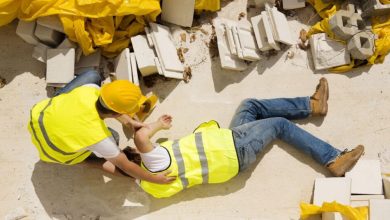
A dangerous condition in a store, apartment building, hotel, office, parking lot, or other property can cause a serious injury in seconds. If a property owner or other party failed to repair a hazard or provide a warning, a New Hampshire premises liability attorney can help examine what happened and determine whether someone may be responsible.
Premises liability cases can involve more than simple slip and fall accidents. People may be injured by falling objects, unsafe stairs, poor security, electrical hazards, toxic substances, or other dangerous conditions. In New Hampshire, the person or entity controlling a property may be responsible when negligent property care leads to an injury.
What Is Premises Liability?
Premises liability refers to personal injuries caused by dangerous conditions on property controlled by another person or organization. The property could belong to a business, landlord, hotel, office, store, homeowner, or government entity.
A property owner or other party in control of the premises may have responsibilities related to keeping areas reasonably safe and addressing known hazards. The exact duties can vary based on the circumstances, the property, and the people involved.
The important question after an accident is not simply who was injured. An investigation needs to determine what caused the injury, who controlled the area, whether the dangerous condition was known, and whether reasonable steps could have prevented the accident.
Why New Hampshire Property Conditions Matter
New Hampshire weather can create additional safety concerns for property owners and visitors. Snow and ice can affect sidewalks, parking lots, entrances, stairs, and other areas where people walk. Water brought inside after winter weather can also make indoor floors slippery.
Weather is only one possible source of danger. Cracked pavement, broken steps, loose carpeting, poor lighting, damaged handrails, and other maintenance problems can create risks throughout the year.
The person or company responsible for a property may not always be the property owner. A tenant, business operator, property manager, contractor, or another party may have control over certain areas. Identifying the correct parties is therefore an important part of an investigation.
How Attorneys Investigate a Premises Accident
A thorough investigation begins with the details of the accident. An attorney may want to know exactly where the injury occurred, what caused it, when it happened, who was present, and whether anyone had previously noticed the hazard.
The condition of the property can change quickly. A spill may be cleaned, an icy walkway may be cleared, or damaged flooring may be repaired. Photographs and videos taken soon after an accident can preserve evidence that might otherwise disappear.
Other evidence may include:
- Incident reports prepared by a business or property manager
- Security camera footage
- Photographs and videos of the dangerous condition
- Statements from people who witnessed the accident
- Maintenance and inspection records
- Cleaning and repair schedules
- Previous complaints about the same hazard
- Medical records and treatment information
- Shoes and clothing worn during the accident
Each piece of evidence can help establish what happened and whether the responsible party had an opportunity to address the problem.
Did Someone Know About the Dangerous Condition?
Knowledge of a hazard can be an important issue in a premises liability case. An investigation may examine whether the property owner or another responsible party actually knew about the condition or should reasonably have discovered it.
For example, suppose a customer slips on liquid inside a store. If an employee was told about the spill before the accident and did not clean it or warn customers, that information could be important.
A similar issue can arise with a damaged sidewalk or broken stair. If customers, tenants, employees, or other visitors had complained about the problem before the injury, those reports could help establish that the condition was known.
Sometimes there is no direct complaint. In those situations, evidence about how long the hazard existed may help. Security footage, inspection records, maintenance logs, and witness statements can help create a timeline.
Preserving Evidence After an Injury
Evidence can be harder to obtain as time passes. Security footage may be overwritten, employees may forget what they saw, and property conditions may change.
For that reason, documenting the accident as soon as possible can be useful. If it is safe to do so, take clear photographs of the hazard and the surrounding area. Try to capture enough of the location to show where the condition existed.
It can also help to write down the date, time, weather, lighting, location, and what happened immediately before the accident. If witnesses were present, record their names and contact information when possible.
Keep the clothing and shoes worn during the accident. These items may provide additional information about what happened and should not be discarded before the circumstances are reviewed.
Medical Records Tell Part of the Story
Medical records can help document the injuries caused by a property accident. Seeking appropriate medical care after an injury is important for health and creates records showing the diagnosis, treatment, and progress.
Premises accidents can cause many types of injuries. A person may suffer a broken bone, head injury, back injury, sprain, burn, or another condition. Some injuries heal relatively quickly, while others require months of treatment.
Keep medical bills, appointment records, prescriptions, and other treatment documents. Records of missed work and other expenses may also help show how the accident affected everyday life.
What Should You Do After an Accident?
The first priority after an accident is to address any immediate medical needs. Once you are safe, taking practical steps can help preserve important information.
Report the accident to a manager, property owner, employee, landlord, or another responsible representative. Ask whether an incident report was completed and keep a copy if one is available.
Take photographs of the dangerous condition if you can do so safely. Avoid changing or repairing the condition before it has been documented.
If witnesses saw the accident, ask for their contact information. Their observations may become important if the property owner later disputes how the injury occurred.
New Hampshire Law Can Affect a Claim
New Hampshire law can affect how a premises liability claim is evaluated. The state’s official legislative website provides access to the New Hampshire Revised Statutes, which contain the state’s statutory materials.
Different rules may apply depending on the property and the parties involved. For example, injuries involving government-owned or government-operated property can raise different legal questions from injuries occurring at a private business.
The identity of the person or entity controlling the property also matters. A business tenant, property manager, landlord, contractor, or government entity may have different responsibilities depending on the circumstances.
Because premises liability cases depend heavily on their facts, an injured person should avoid assuming that a general rule found online will apply to every situation.
Why Early Investigation Can Help
A property owner may repair a dangerous condition soon after an accident. While fixing the problem can make the property safer, it may also make it harder to determine what the area looked like when the injury occurred.
Early investigation can help preserve photographs, video footage, maintenance records, witness information, and other evidence. It can also help identify the parties responsible for the property before important details become difficult to obtain.
An attorney may review these materials to determine whether the available evidence supports a potential premises liability claim.
When Should You Speak With an Attorney?
Legal guidance may be useful when an injury is serious, the property owner disputes responsibility, or evidence about the accident may be difficult to obtain.
An attorney can examine the circumstances, identify potentially responsible parties, review photographs and records, and help determine what evidence may be needed. The investigation may also involve looking at whether the property condition was known or should reasonably have been discovered.
Speaking with an attorney does not automatically mean filing a lawsuit. It can provide a clearer understanding of the situation and the options that may be available.
Protecting Your Rights After a Property Injury
A premises accident can affect a person’s health, work, finances, and daily activities. Taking reasonable steps after the accident can help preserve the information needed to understand what happened.
The key questions are straightforward: What caused the accident? Who controlled the property? How long had the dangerous condition existed? Was anyone aware of it? Could reasonable action have reduced the risk?
For people injured on another person’s property in New Hampshire, documenting the scene, keeping relevant records, and seeking timely legal guidance can help clarify whether another party may be responsible. Early action can also make it easier to preserve evidence while the facts are still fresh.