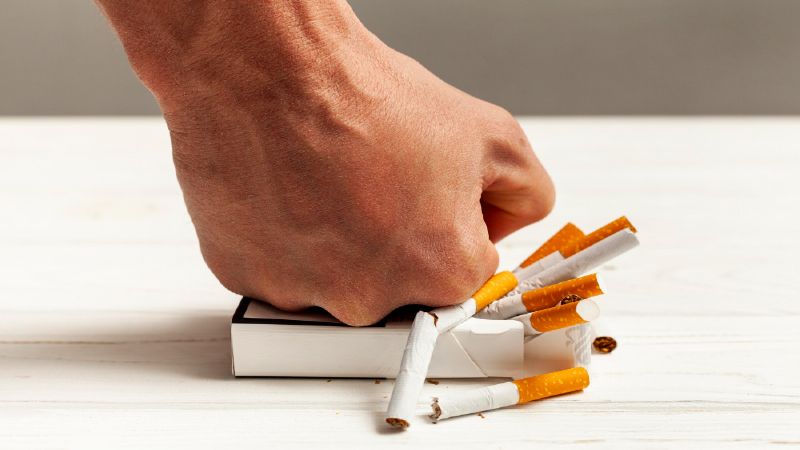
Creating a successful quit-smoking plan means understanding how smoking fits into your daily life and what health strategies will actually work for your specific situation. The physical and mental demands of quitting vary dramatically between people, and cookie-cutter approaches often miss the mark. A plan that considers your routine, stress levels, health status, and personal triggers stands a much better chance of leading to long-term success than generic advice that assumes everyone’s body and lifestyle work the same way.
Why One-Size-Fits-All Health Advice Falls Short
Most standard quit-smoking guidance treats nicotine addiction as if it affects everyone identically. The reality is far more complicated. Someone who’s been smoking for thirty years has different physiological dependencies than someone who’s smoked for five. A person dealing with underlying anxiety or depression will experience withdrawal differently than someone without those conditions. Physical health factors such as metabolism, stress hormones, and brain chemistry all play roles in how difficult quitting becomes.
The standard medical advice to just pick a quit date and stop often ignores these individual health differences. A shift worker whose sleep patterns and cortisol levels are already disrupted faces different physiological challenges than someone with regular sleep. Parents dealing with constant stress and decision fatigue have different neurochemical states than people in calmer life phases. When health recommendations don’t account for these variables, the plan becomes harder to maintain when the body starts going through withdrawal.
Understanding Your Physical Dependence
Before building any health-focused quit plan, it helps to understand the actual level of physical dependence involved. This isn’t about judgment, it’s about realistic planning. Someone smoking a pack or more daily has significant nicotine levels constantly in their system. Their body has adapted to function with that baseline, and removing it suddenly creates real physiological stress.
Nicotine affects multiple body systems including cardiovascular function, digestion, and stress response. When regular nicotine intake stops, blood pressure changes, metabolism shifts, and stress hormones fluctuate. These aren’t minor adjustments. The body essentially has to relearn how to regulate itself without nicotine’s influence, which is why withdrawal symptoms can be so intense and why relapse rates are so high during the first few weeks.
Tracking smoking patterns for a week reveals important health information. Do most cigarettes happen when stress levels are highest? Is smoking tied to specific times of day when energy naturally dips? Are there physical symptoms such as headaches or irritability that seem to trigger smoking? Understanding these patterns helps identify what the body is actually responding to, which makes it possible to address the underlying health needs rather than just fighting cravings.
Choosing Medical Support That Matches Your Needs
For people attempting to quit for the first time, over-the-counter nicotine replacement might be sufficient. But research shows around 70% of smokers who try traditional methods such as patches or gums don’t succeed. That’s not a personal failure, it reflects the limitations of first-line treatments for certain types of nicotine dependency.
This is where understanding the medical options becomes important. Different treatments deliver nicotine at different rates, which significantly affects how well they manage withdrawal symptoms. Patches release nicotine slowly through the skin, taking 20 to 30 minutes to provide any effect. For someone whose body is used to the rapid nicotine delivery from smoking, that delay can feel unbearable when cravings hit.
Second-line medical treatments exist specifically for people who haven’t had success with standard approaches. These require prescriptions and medical oversight, but they’re designed to address the physiological challenges that make quitting so difficult for heavy or long-term smokers. Access to these treatments has improved significantly with telehealth services becoming more widely available.
Rather than waiting weeks for medical appointments or sitting in clinics, people can now get prescriptions reviewed by healthcare professionals within a day or two. Some choose to order from Tabuu Australia or similar prescription services that provide access to regulated treatments with proper medical supervision. Having that medical oversight matters for health outcomes because it ensures treatments are used safely and adjusted if needed.
Matching Your Plan to Your Body’s Rhythms
Everyone’s body has natural patterns throughout the day, and these affect when cravings will be strongest. Cortisol levels peak in the morning for most people, which is why many smokers reach for cigarettes shortly after waking. Blood sugar fluctuations after meals can trigger cravings. Energy dips in the afternoon often coincide with increased smoking urges.
A health-focused quit plan works with these rhythms rather than against them. If mornings are the hardest time, that’s when the strongest nicotine replacement or distraction strategies need to be in place. If stress at work triggers the most intense cravings, having medical support that provides quick relief during those windows becomes crucial.
Physical activity can help manage some of the neurochemical changes during withdrawal. Exercise releases endorphins and dopamine, partially compensating for the dopamine drop that happens when nicotine is removed. This doesn’t mean training for a marathon. Even short walks or light stretching can make a measurable difference in managing withdrawal symptoms and regulating stress hormones.
Addressing the Mental Health Component
Nicotine dependency and mental health are closely connected. Many people smoke more when anxious or depressed, and quitting can temporarily worsen these symptoms as the brain adjusts. For people with diagnosed anxiety or depression, coordinating the quit attempt with mental health treatment often improves outcomes. Stopping smoking while mental health symptoms are unstable makes everything harder.
Sleep quality almost always suffers during the first weeks of quitting. Nicotine affects sleep architecture, and removing it disrupts normal patterns. This creates a difficult cycle where poor sleep increases stress and cravings, making it harder to stick with the quit attempt. Planning for this means prioritizing sleep hygiene, possibly adjusting caffeine intake, and having strategies ready for managing fatigue without reaching for a cigarette.
Some people find that talking to a healthcare provider about temporary sleep support during the acute withdrawal phase helps break this cycle. Others benefit from structured relaxation techniques or cognitive behavioral strategies that address the anxiety that often spikes when trying to sleep without nicotine.
Planning for Physical Withdrawal Symptoms
The physical symptoms of nicotine withdrawal are real and can be intense. Headaches, digestive changes, increased appetite, difficulty concentrating. These are all normal physiological responses to removing nicotine from the system. Having a plan for managing these symptoms makes them less likely to derail the quit attempt.
Hydration helps with headaches and supports the body’s process of clearing nicotine metabolites. Eating regular, balanced meals helps stabilize blood sugar, which can reduce irritability and cravings. Some people find that temporarily increasing healthy snack options helps manage the increased appetite without leading to excessive weight gain, which is a common concern when quitting.
The timeline for physical symptoms varies, but most peak within the first three to five days and start improving after two weeks. Knowing this timeframe helps set realistic expectations. The first week is genuinely difficult, but it’s temporary. Having medical support during this acute phase can make the difference between pushing through and giving up.
Building Long-Term Health Habits
A quit-smoking plan shouldn’t just focus on the first few weeks. The physical addiction might ease relatively quickly, but the habits and associations take longer to break. This is where building positive health habits becomes part of the plan. Replacing smoking breaks with brief walks, substituting the after-meal cigarette with a specific routine, finding new ways to manage stress. These changes support long-term success.
Regular check-ins with healthcare providers during the first few months help catch problems early. If a particular treatment isn’t working well, adjustments can be made. If withdrawal symptoms are lasting longer than expected, that’s worth discussing. Medical supervision provides accountability and support that going it alone doesn’t offer.
The health benefits of quitting start quickly. Blood pressure begins normalizing within hours, lung function improves within weeks, and cardiovascular risk drops significantly within months. Keeping these tangible health improvements in mind provides motivation when cravings hit. The body wants to heal. The quit plan just needs to support that process through the difficult adjustment period.
Building a quit-smoking plan that actually works means being honest about your lifestyle, understanding your body’s needs, and having the right medical support in place. There’s no shame in needing more than willpower alone. Nicotine addiction is a genuine health condition, and treating it as such with proper medical guidance gives you the best chance of success. The key is finding what works for your specific situation and sticking with it long enough for your body to adjust and heal.