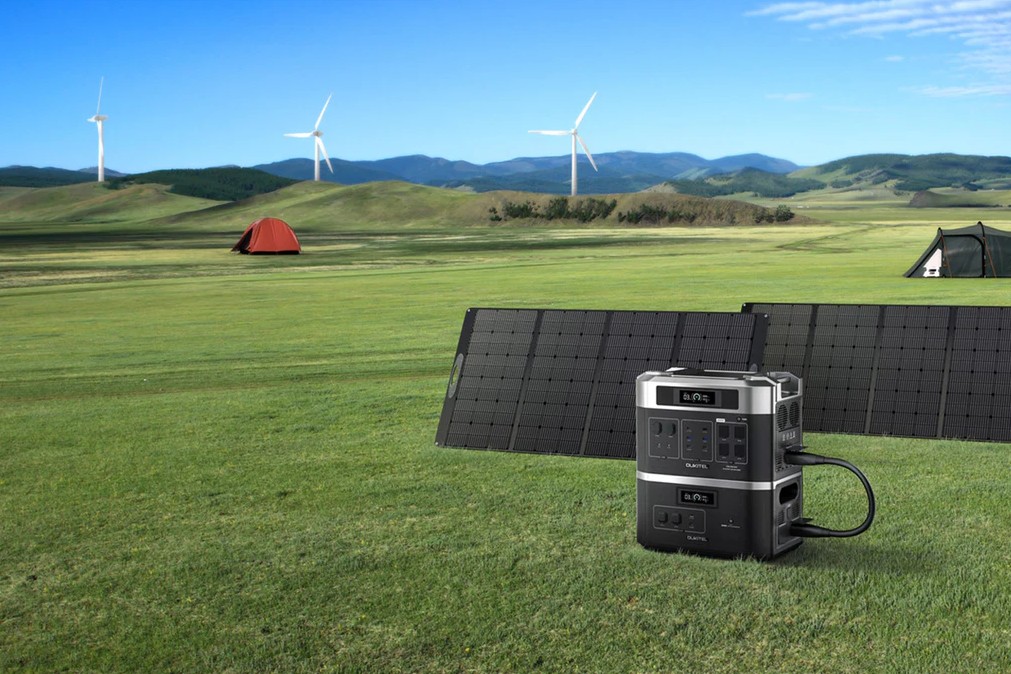
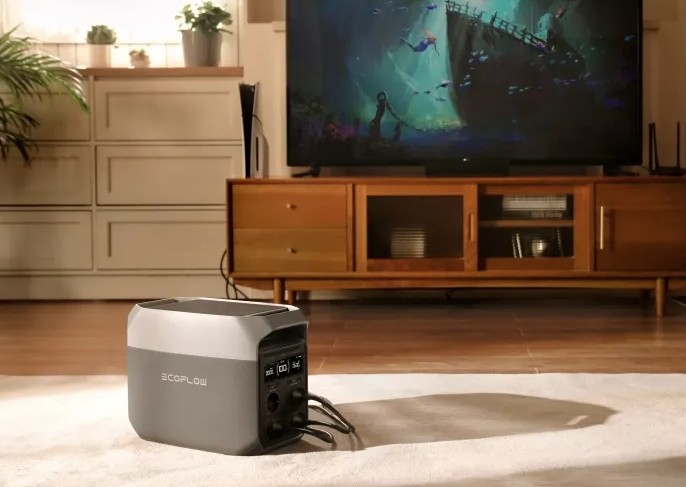
Selecting a solar generator for your home involves understanding your power needs and comparing generator features. These eco-friendly alternatives to traditional generators provide reliable power during outages or for off-grid living. The right solar generator combines capacity, efficiency, and flexibility, ensuring it meets both your immediate and future energy needs. This guide helps you navigate these choices, offering insights to find the generator that ticks all your boxes. From battery types to output and solar input capabilities, learn how to make an informed decision. We’ll use examples like the EcoFlow DELTA 3 to illustrate what features to look for.
Understand Your Home Power Needs First
Knowing your power needs is the first step to choosing the right solar generator. This ensures you invest in a system that can support your lifestyle and devices without any outages.
List Appliances and Calculate Wattage Needs
Start by listing all the appliances you plan to power with the solar generator. Determine the wattage each device requires; this information is usually found on the device’s label or in the manual. Common household items like refrigerators, lights, and computers all have varying energy requirements. For example, a refrigerator typically uses around 200-800 watts. Multiply these wattages by the number of hours each device operates daily to estimate your needs. This will help determine what capacity and output ratings are necessary. Knowing these requirements ensures that you choose a generator capable of supporting your most critical appliances.
Estimate Daily Energy Usage in Watt-Hours
Next, gather your devices’ wattage needs and use them to calculate your daily consumption in watt-hours (Wh). For example, if a device requires 100 watts and runs for 10 hours a day, it uses 1000 Wh daily. Sum the total watt-hours for all appliances to estimate daily usage. This figure helps you determine the necessary battery capacity of your solar generator. Models like EcoFlow DELTA 3 offer expandable battery options from 1-5kWh, providing flexibility as your needs grow. Understanding your daily energy consumption is crucial for selecting a generator with the right capacity to provide continuous power.
Key Factors to Consider When Choosing a Solar Generator
Evaluating the critical factors ensures a reliable choice for a solar generator that meets your energy demands efficiently.
Battery Capacity, Output, and Runtime
Evaluate the generator’s battery capacity, expressed in watt-hours (Wh), as it indicates how much energy it can store. Higher capacity means longer runtime for your appliances. Output, measured in watts (W), determines the devices you can power simultaneously. For example, a generator with 1800W AC output, like the EcoFlow DELTA 3, supports most home appliances. Consider runtime; a larger capacity provides extended support during outages. Review these specifications carefully, as they directly affect the generator’s ability to meet your household energy needs without interruptions.
Battery Type, Lifespan, and Efficiency
Solar generators use different battery types. LiFePO4 (lithium iron phosphate) batteries, like those in the EcoFlow DELTA 3, stand out for their lifespan and efficiency. They offer around 4000 cycles to 80% capacity, ensuring long-lasting performance. This makes them ideal for frequent usage or long-term investment, as they maintain capacity over time better than traditional lead-acid alternatives. Prioritize battery type not only for cost-effectiveness but also for its operational longevity, ensuring your generator remains reliable through years of use without frequent replacements.
Charging Speed, Solar Input, and Flexibility
Check the charging speed and solar input capacity, which impact how quickly the generator recharges. Models with fast charging, like EcoFlow DELTA 3, which combines AC and solar for a full charge in 56 minutes, minimize downtime. Consider the solar input capacity, typically measured in watts; higher input allows faster recharging using solar panels. Flexibility is crucial if you plan to add panels or expand capacity over time. Choose a generator accommodating both rapid charging and modular enhancements, ensuring adaptability to future solar capabilities.
Avoid Common Mistakes
Avoiding common pitfalls can save money and ensure a more effective power backup solution tailored to your needs.
Choosing Too Small or Too Large Capacity
One mistake is choosing a capacity too small to support your appliances, leading to frequent shutdowns. On the other hand, excessively large systems are costly and unnecessary. Balance is key; match generator capacity closely with your calculated needs. Use the watt-hours of your daily energy consumption as a baseline. The EcoFlow DELTA 3, with expandable 1-5kWh capacity, caters to varying needs, from essential to extensive usage. Selecting the right capacity avoids unnecessary expenses while ensuring adequate power supply.
Ignoring Future Needs and Backup Scenarios
Another oversight is neglecting future power requirements or potential backup situations. Your energy demands may grow; new appliances or lifestyle changes can increase consumption. Choose a generator that allows for capacity expansion or modular upgrades. Consider worst-case scenarios; prolonged outages require larger capacity or faster rechargeability. Prepare for emergencies by selecting options like the EcoFlow DELTA 3, which supports both immediate needs and future expansions, providing peace of mind through flexible adaptability.
Conclusion
Choosing the right solar generator requires understanding your power needs and evaluating key features and specifications. Focus on selecting a generator that meets your immediate requirements and offers flexibility for future demands. Consider factors like battery type, capacity, and charging speed to ensure long-term efficiency and reliability. Avoid common mistakes such as underestimating or overestimating capacity and neglecting future needs. By taking a thoughtful approach and using examples like EcoFlow DELTA 3, you’ll find a suitable solar generator that provides dependable power for your home.