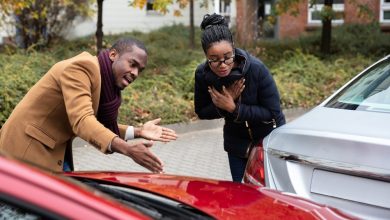
There’s no warning before a vehicle breaks down or there’s an accident. One moment, a driver is cruising down the road, the next, they are pulled over on the side with cars rushing by on either side of them. Regardless of how long it takes from mishap to receiving assistance, the time in-between is where people are most vulnerable and safety becomes the highest priority. Knowing what to do during these precious minutes—or hours—can prevent an already stressful incident from becoming fatal.
Fortunately, a few simple considerations reduce risk in a roadside emergency.
Get Off the Road Safely
One of the main contributing factors to injury during roadside emergencies is being struck while the vehicle is pulled over. Therefore, if a vehicle truly is not operable—beyond a stall car and flat tire—it is important to get as far off the road as possible. Ideally, this means steering a vehicle into the shoulder or an emergency lane. If the vehicle can be driven down the road another few meters to get into an actual parking lot, that’s even better.
If it is not operable enough to move it, at least get it as far away from moving traffic lanes as possible. If there is no shoulder or extra space, cars should remain on the closest edge to avoid potential collision, but what’s worse is remaining on the roadway. Drivers should turn on hazard lights if that’s all they can do. Especially at night or during foggy, rainy, or snowy conditions, lights help alert others to stalled vehicles.
On multi-lane roads, staying in the right shoulder offers the safest option. It provides as much distance as possible from moving traffic and standing vehicles. On one-lane roads that are shorter or smaller with less shoulder, at times, it’s best to go into a driveway or at least next to a side street entrance instead of remaining on the road.
Make Sure the Vehicle Can be Seen
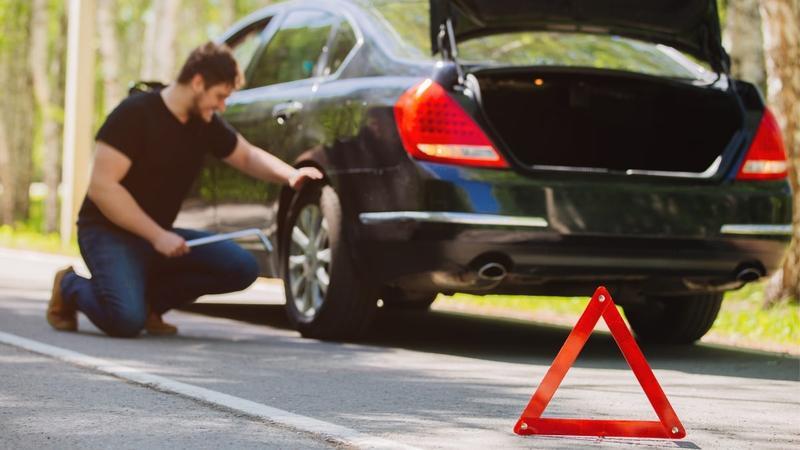
Just because a driver and their passengers have escaped the busy road, that does not mean they’re safe—they’re still in danger because others cannot see their vehicle. Beyond hazard lights, it helps to obtain reflective triangles or flares to place behind the vehicle to warn incoming traffic. This signal should be placed well behind—50 meters if applicable in urban settings; further on highways when cars move faster.
At night, it helps to have dome lights on inside the vehicle if applicable. If someone is taking cover while waiting for assistance, they can keep headlights on (if battery allows). The most important consideration here is to make sure all incoming vehicles are aware that a vehicle is not moving up ahead and they have time to adjust appropriately.
Especially during daylight hours and within good weather situations, visibility might not be an issue. However, drivers who do not anticipate stopped vehicles on a roadside can rear-end them in an instant when they turn out to be surprised. Better to have additional precautions than not enough should those minutes make the difference between a safe situation and injury.
Where to Wait for Assistance
Often, waiting for assistance is best done inside a vehicle (locked). However, on busy roadways and highways with traffic rushing by, it’s often best to get everyone out of the car and away from danger. Thus, one should step far enough away from any lanes of traffic—behind barriers if applicable, away up embankments—so that they will not be hit should another vehicle strikes their stopped vehicle.
This decision depends on the specific situation. In remote areas with little traffic, staying inside a locked vehicle might be safer. During extreme weather, remaining in the vehicle with hazard lights on provides shelter. On busy highways with cars passing at high speed, getting everyone to safety away from both lanes and the shoulder becomes the priority.
Once help has been called—whether through services providing towing Newcastle residents can access or similar assistance elsewhere—the waiting period requires patience and continued vigilance. Staying alert to approaching traffic and being ready to move if necessary keeps everyone protected until professional help arrives.
Call for Help
After securing safety while being stopped, a call for help needs to be made right away so someone can assist as soon as possible. The more information that’s relayed about location in addition to what happened and any hazards present will only make things easier for responders who’ve been dispatched. Landmarks and street names help provide specific locations for vehicles—especially on highways where there’s a seemingly endless array of sameness.
In addition, if there are any injuries present that require immediate medical attention—as long as someone calls 911—the need for police and ambulances and fire services trumps roadside assistance. Police can manage traffic accidents for recovery until everything is cleared or fire prevention help can assist in accidents where vehicles catch fire or where leaks need to be addressed. There is no need for towing or that level of roadside assistance until disaster has been rectified first.
For all other instances—not injuries—roadside assistance handles any setbacks. A relay of information about what happened (e.g., flat tire, blown engine, car accident) brings professionals equipped with proper tools and vehicles necessary for these situations.
It’s Always Possible to Stay Calm
Roadside emergencies are filled with stress—and sometimes panic—especially on busy roads late at night or during bad weather conditions. However, none of this does any good for anyone involved, without clear thinking it will only increase risk rather than minimize it. Therefore, assess the situation before panicking, get everyone safe and secure, and then call for help.
Help will come. Until then, focusing on increased visibility measures and staying away from traffic keeps everyone safe until their professional help arrives. These situations feel urgent, but waiting safely is better than rushing into additional risks while trying to fix problems or move vehicles without proper equipment.