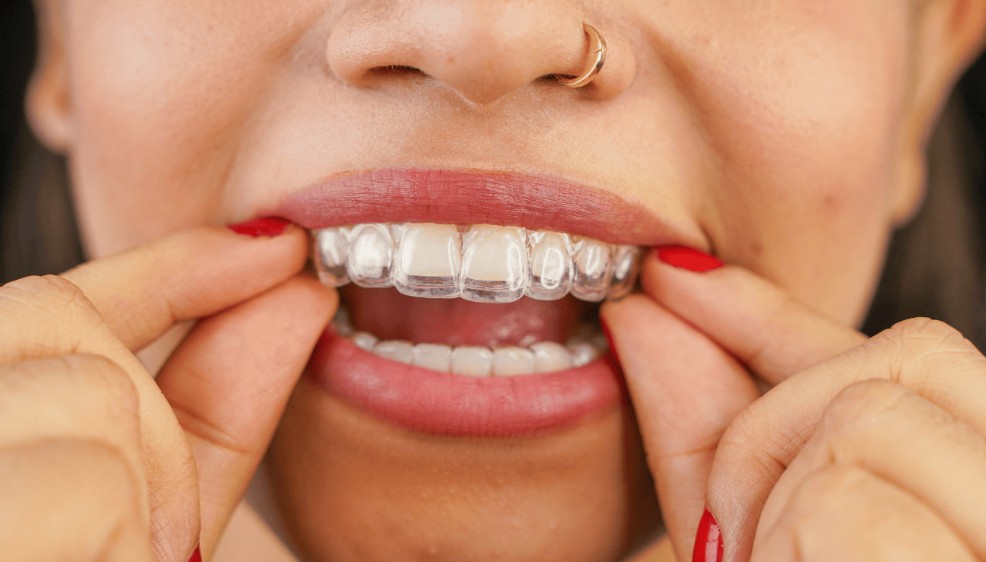
Clear aligners only work when you use them the right way. That means steady use every single day. You might feel tempted to leave them out for a meal, a call, or a photo. Then you forget to put them back in. Those small choices slow your progress. They can even reverse it. Teeth move only with constant, gentle pressure. When you break that rhythm, your aligners stop fitting well. Then treatment takes longer. You may feel pain. You may need new trays. A Marietta dentist sees this pattern often and knows it can be hard to stay on track. This blog explains why steady use matters, what happens when you skip time, and how to build habits that keep your aligners in. You deserve a result that matches your effort. Consistency is how you protect that result.
Why steady aligner use matters
Your teeth sit in bone and soft tissue. When you wear aligners, they apply a light, steady force. Then the bone slowly reshapes. That change is not fast. It needs time and constant pressure.
When you remove your trays often, your teeth shift back toward their old spots. Then each new set of aligners has to work harder. You feel more soreness. You see less movement. You may feel like nothing is working when the real problem is lost wear time.
The American Association of Orthodontists explains that clear aligners need near full-time wear for success.
How many hours you really need
Most aligner plans call for 20 to 22 hours of wear each day. That means you take them out only to eat, drink anything other than water, brush, and floss. Then you put them back in at once.
Here is a simple comparison to show how wear time changes your outcome.
| Daily wear time | What you may notice | Possible result
|
|---|---|---|
| 22 hours | Trays feel snug. Progress matches your plan. | Shorter treatment. Fewer extra visits. |
| 18 hours | Trays feel tight at night. Some teeth lag behind. | Added months. Extra trays may be needed. |
| 14 hours | Trays often do not seat fully. Soreness after long breaks. | Unclear movement. Risk of poor final result. |
This table shows a hard truth. Even a few lost hours each day add up. That lost time stretches into weeks and months.
What happens when you skip time
Inconsistent wear does more than slow your plan. It can cause real problems.
- Aligners may stop fitting all the way over your teeth.
- Your bite can change in ways that feel strange or painful.
- Teeth can end up halfway between the old and new spots.
Then your dentist or orthodontist may need to scan your teeth again and order new trays. That means more time. It also means more cost.
The National Institutes of Health notes that good use of orthodontic devices is key to success and for keeping results.
Common excuses and how to beat them
Many people share the same three reasons for not wearing aligners.
- You feel embarrassed during talks or photos.
- You forget to put trays back in after meals.
- You feel soreness when you keep them in.
You can handle each one with clear steps.
For social worry, remember that most people do not notice your trays. You can also practice speaking at home until you feel more sure in public.
For forgetfulness, set phone alerts for after breakfast, lunch, and dinner. Then keep your case in the same pocket or bag every time.
For soreness, switch to a new set of trays at night. Then sleep through the worst of the pressure. You can also talk with your dentist about safe pain relief.
Simple daily habits that protect your progress
Three small habits keep you on track.
- Always use your case. Never wrap trays in a napkin.
- Rinse and clean your aligners each time you remove them.
- Check fit with gentle pressure using your fingers or chewies.
These steps cut the risk of loss, stains, and poor fit. They also help you notice early if a tray is not seating right, so you can call your dentist before small issues grow.
How to involve your family
Clear aligners affect more than you. They touch your whole home routine. It helps to ask your family to support three things.
- Meal timing so you can reach your wear time goal.
- Reminders to put trays back in after snacks.
- Safe spots in the kitchen for your case and brush.
Children can join by helping set timers or by checking off a daily wear chart. That shared effort turns treatment into a family goal, not a lonely task.
Staying consistent after treatment
When active treatment ends, your work is not over. You will likely need a retainer. That device keeps teeth from sliding back. Many people who skip retainers see their teeth drift. Then they feel like all that time and cost went to waste.
The same rules apply.
- Wear your retainer as your dentist directs.
- Store it in a case every time you eat.
- Call your dentist if it feels tight or loose.
You worked hard for a straight smile. You can keep it with steady habits and clear support from your care team.
Key message
Clear aligners can guide your teeth into a healthier, more even line. Yet they only work when you treat daily wear like a promise. You choose each day to keep them in, to track your hours, and to ask for help when something feels off. That steady focus turns plastic trays into real change that lasts.