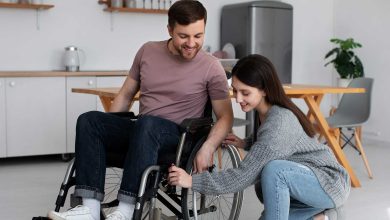
The Moment Between Sitting and Standing: Why Standing Lifter Support Matters More Than People Realise


There is a small moment in daily care that often gets overlooked.
Not the wheelchair. Not the bed.
The moment in between.
That pause where someone needs to move from sitting to standing. From chair to toilet. From bed to walker. It looks simple from the outside. In reality, it is where most strain, risk, and frustration quietly live.
This is where a Standing Lifter comes into the picture. Not as a flashy piece of equipment, but as a practical response to a very human problem.
A Standing Lifter Is About Transitions, Not Transport
A lot of people assume a Standing Lifter is just another hoist. It is not.
Hoists lift. Standing lifters assist.
The difference matters.
A Standing Lifter supports someone who can still take some weight through their legs. Even a little. It encourages participation rather than replacing movement entirely. For many people, that matters emotionally as much as physically.
Standing, even briefly, keeps muscles working. It preserves routine. It keeps dignity intact in ways that are hard to explain until you have seen the alternative.
Who a Standing Lifter Is Really For
Standing lifters are not universal solutions. They suit a specific window of mobility.
People who can follow instructions.
People who can grip handles or supports.
People who can bear some weight, even inconsistently.
That includes many older Australians, people with neurological conditions, participants in disability support, and those recovering from illness or surgery.
In these cases, a Standing Lifter bridges the gap between full independence and full assistance. That middle ground is where most care actually happens.
Why Carers Care About Standing Lifters
Support workers do not talk about it much, but transfers are where injuries pile up.
Lower backs. Shoulders. Wrists.
Manual handling training helps, but it does not change physics. Repeated lifting takes a toll.
A Standing Lifter reduces that load. Not completely. But enough to make a difference across weeks and years of work.
In Australian care settings, this also ties into workplace safety obligations. Equipment that reduces risk is not optional. It is part of doing the job properly.
Home Use Changes the Dynamic
Using a Standing Lifter at home feels different from using one in a facility.
Space is tighter. Floors vary. Furniture is not designed for clearance.
But when it works, it changes routines fast.
Transfers become calmer. Less rushed. Less tense.
Families often say the same thing. They feel more confident. Less afraid of hurting someone they care about. Less afraid of hurting themselves, too.
That confidence is not listed on any spec sheet, but it is real.
Training Is Not a Box to Tick
One of the biggest risks with a Standing Lifter is assuming it is intuitive.
It is not.
Foot placement matters. Strap positioning matters. Communication matters. Timing matters.
Good providers insist on training. Not a rushed handover. Proper demonstration. Time to ask questions. Time to practice.
In Australia, many services align this with guidance connected to NDIS supports, where safety and suitability are assessed before equipment is introduced.
When a Standing Lifter Is the Wrong Choice
This part is important.
A Standing Lifter is not suitable if someone cannot bear weight at all. Or cannot follow instructions. Or has uncontrolled movement that creates risk.
In those cases, a full hoist is safer. More restrictive, yes. But safer.
Good care is not about forcing independence. It is about matching support to reality.
Standing lifter services that are honest about limits tend to be the ones people trust long term.
Short-Term Use Is Still Valid Use
Standing lifters are not always permanent.
They are often used during recovery. After hospital stays. During rehabilitation. While strength returns slowly.
Short-term Standing Lifter use can prevent setbacks. It can keep routines going while the body catches up.
This temporary role is often overlooked, but it is one of the most effective uses of the equipment.
Dignity Is Built Into the Design
There is something different about standing.
Eye level changes. Conversations change. People feel less passive.
A Standing Lifter supports that without pretending someone does not need help. It allows assistance without flattening identity.
In care work, dignity often lives in small design choices. Standing lifters get this right more often than people realise.
The Australian Context Matters
Australian homes, funding models, and care structures shape how standing lifter services operate.
Assessments are usually completed by occupational therapists. Funding pathways differ. Regional access can be slower.
Standing lifter services that work well here are the ones that adapt. To housing types. To distances. To varied care teams.
There is no one-size approach. And that is okay.
What People Usually Ask First
Families tend to ask the same questions.
Will it fit?
Will it hurt?
Will it be hard to learn?
Will it actually help?
A well-matched Standing Lifter answers yes to the right questions and no to the wrong ones.
Yes, it will help.
No, it will not solve everything.
That balance is healthy.
Why Standing Lifters Stay Relevant
Care needs change. Bodies change. Support systems evolve.
But that moment between sitting and standing never disappears.
As long as people want to move, participate, and stay involved in daily life, a Standing Lifter from CHS Healthcare will have a place.
Quietly. Practically. Doing its job without needing much attention.
And sometimes, that is exactly what good support looks like.