When it comes to conditions affecting the chest, lungs, esophagus, or diaphragm, the expertise of a specialized surgeon can make all the difference between a routine recovery and a life-altering complication. Thoracic surgery is one of the most technically demanding fields in modern medicine, requiring years of advanced training, precise anatomical knowledge, and the ability to make critical decisions under pressure. For patients navigating a diagnosis involving the thoracic cavity, understanding what this specialty offers — and when to seek it — is an essential step toward better health outcomes.
What Is Thoracic Surgery and Who Needs It?
Thoracic surgery encompasses a broad range of procedures performed on organs within the chest, excluding the heart, which falls under cardiac surgery. The lungs, trachea, esophagus, pleura, mediastinum, and chest wall are all within the thoracic surgeon’s domain. Patients who may require this type of care include those diagnosed with lung cancer, esophageal cancer, pleural effusion, pneumothorax, hyperhidrosis, or chronic obstructive pulmonary disease that has not responded to conservative treatment.
In many cases, patients are referred to a thoracic specialist after imaging studies reveal abnormalities that require surgical evaluation. Early consultation is critical — particularly in oncological cases — because timely intervention can significantly improve survival rates and quality of life. A thoracic surgeon does not simply perform operations; they also guide patients through the diagnostic process, help interpret complex imaging results, and coordinate care with pulmonologists, oncologists, and radiologists.
Common Conditions Treated by Thoracic Specialists
Among the most frequently treated conditions in thoracic surgery are primary and metastatic lung tumors, benign lung nodules requiring biopsy or resection, esophageal disorders including strictures and reflux-related complications, and chest wall deformities such as pectus excavatum. Surgeons in this field also manage trauma-related injuries to the chest, including rib fractures, hemothorax, and diaphragmatic tears. The diversity of conditions treated reflects the complexity and importance of this surgical specialty.
The Rise of Minimally Invasive Thoracic Techniques
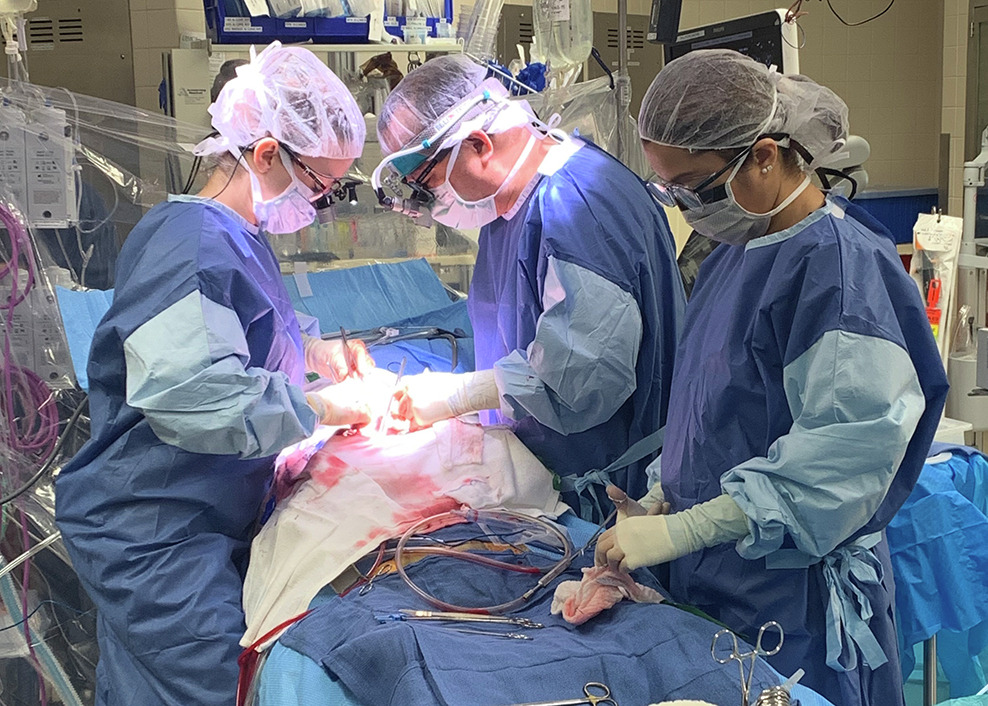
One of the most significant advances in thoracic surgery over the past two decades has been the widespread adoption of minimally invasive approaches. Video-assisted thoracoscopic surgery (VATS) and robotic-assisted platforms have transformed how surgeons access the chest cavity, dramatically reducing recovery times, postoperative pain, and the risk of complications compared to traditional open surgery. Patients who once faced weeks of hospitalization can now often return home within a few days following a VATS lobectomy or esophageal procedure.
According to leading academic medical centers, minimally invasive surgical techniques offer patients smaller incisions, reduced blood loss, lower infection risk, and faster return to daily activities. These benefits are particularly meaningful for thoracic patients, many of whom already have compromised lung function due to their underlying condition. The ability to perform complex resections through tiny ports rather than large chest incisions represents a genuine revolution in patient care.
Robotic Surgery in the Thoracic Field
Robotic-assisted thoracic surgery takes minimally invasive care a step further by giving surgeons enhanced three-dimensional visualization and greater instrument precision within the confined space of the chest. This technology is particularly valuable for procedures near critical structures such as the aorta, pulmonary vessels, and bronchi, where even millimeter-level accuracy matters. As robotic platforms become more widely available, patients in major medical centers now have access to surgical precision that was simply not possible a generation ago.
Choosing the Right Specialist and Institution
Not all surgical centers offer the same level of thoracic expertise. Volume matters significantly in this field — surgeons and hospitals that perform a high number of thoracic procedures annually tend to achieve better outcomes, lower complication rates, and more consistent results. When evaluating where to seek care, patients should consider the surgeon’s subspecialty training, the institution’s multidisciplinary team structure, and the availability of advanced technology such as robotic surgical systems and intraoperative imaging.
A qualified thoracic surgeon brings not only technical skill but also a comprehensive understanding of the patient’s overall health picture. This includes evaluating pulmonary function before surgery, coordinating with anesthesiologists experienced in one-lung ventilation, and planning postoperative rehabilitation to restore breathing capacity. The best outcomes in thoracic surgery are almost always the result of a coordinated team effort rather than any single intervention.
Questions to Ask Before Your Thoracic Consultation
Patients preparing for a thoracic surgery consultation should come equipped with relevant imaging studies, prior biopsy results if available, and a clear summary of their symptoms and medical history. Key questions to ask include: What surgical approach is recommended and why? What are the risks specific to my condition and health status? Is a minimally invasive option available? What does the recovery timeline look like? How many similar procedures has this team performed? These questions help patients make informed decisions and establish realistic expectations.
Cleveland Clinic Abu Dhabi: A Center of Thoracic Excellence
Cleveland Clinic Abu Dhabi has established itself as one of the region’s premier destinations for complex thoracic care. Drawing on the clinical protocols and training standards of its parent institution in the United States, the center offers patients in the Middle East access to world-class surgical expertise without the need for international travel. The thoracic surgery program at Cleveland Clinic Abu Dhabi is staffed by fellowship-trained specialists who manage the entire range of thoracic conditions, from early-stage lung cancer to complex esophageal reconstruction.
The program integrates seamlessly with oncology, pulmonology, radiology, and critical care teams to ensure that every patient receives a personalized, evidence-based treatment plan. Advanced diagnostic capabilities, including high-resolution CT imaging and endobronchial ultrasound, support precise staging and surgical planning. For patients in the UAE and surrounding region, this level of integrated thoracic care represents a significant advancement in accessible, high-quality healthcare.
Thoracic Surgery as Part of a Broader Healthcare Landscape
The demand for thoracic surgical expertise is growing alongside broader trends in healthcare workforce development. As populations age and the incidence of lung disease and thoracic cancers rises globally, the need for trained specialists in this field continues to expand. For those interested in understanding how thoracic surgery fits within the wider spectrum of medical careers, exploring fast-growing healthcare careers provides valuable context on where this specialty sits among the most in-demand roles in modern medicine.
Conclusion: Taking Chest Health Seriously
Thoracic conditions are rarely simple, and the stakes involved in chest surgery demand the highest level of surgical skill and institutional support. Whether a patient is facing a newly discovered lung nodule, a confirmed cancer diagnosis, or a chronic esophageal condition that has resisted other treatments, consulting with a qualified thoracic specialist is the most important first step. With advances in minimally invasive techniques, robotic platforms, and multidisciplinary care models, patients today have access to safer, more effective surgical options than ever before. Choosing the right surgeon and the right institution is not just a medical decision — it is a decision that can shape the entire trajectory of recovery and long-term health.