Durability is a crucial consideration when choosing a smartphone, particularly in relation to scratch resistance. Unattractive scratches can result from phones being near abrasive surfaces, keys, or even pockets filled with other items. In addition to preserving its beauty, a scratch-resistant phone extends its lifespan. Making the correct material and protective feature choices is crucial to keeping your phone spotless for an extended period of time. To assist you in selecting the ideal phone for your requirements, we will go over the main characteristics and components that make phones scratch-resistant in this article.
Key Features That Make Phones Scratch-Resistant
Strong Screen Materials
In particular, the screen of a mobile device is the most susceptible to scratches, especially when it is used on a regular basis. Superior protection may be obtained with the use of robust screen materials such as sapphire crystal or Gorilla Glass. For example, Gorilla Glass is well-known for its strong resistance to scratches and impacts, making it an excellent choice for offering a sturdy defense against the wear and tear that occurs on a daily basis. With its outstanding hardness and scratch resistance, sapphire crystal is an excellent choice for luxury electronic gadgets, despite the fact that its application is somewhat uncommon. The use of these materials guarantees that the screen will remain intact even when it is subjected to sharp objects or rough surfaces, ensuring that the phone will continue to seem brand new for a longer period of time.
Protective Glass Coatings
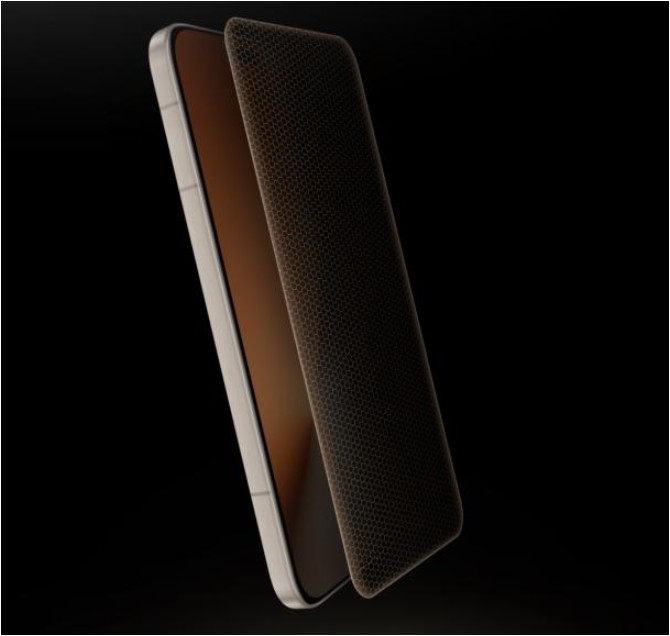
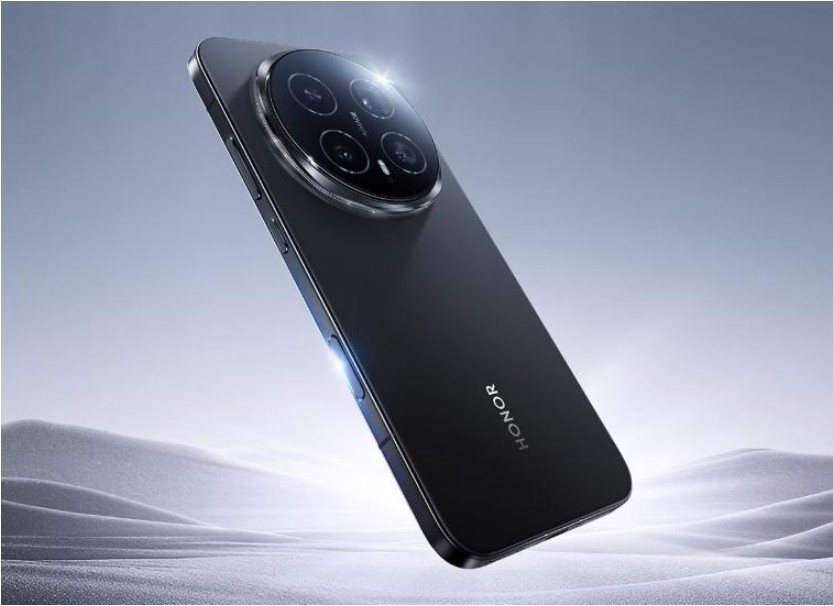
Oleophobic glass coatings, for example, offer an extra layer of protection against scratches and smudges. These coatings are put on the phone’s screen to resist fingerprints, debris, and oils, making it simpler to clean. Some coatings further improve scratch resistance by hardening the surface, which prevents tiny abrasions from everyday use. Furthermore, hydrophobic coatings can prevent the phone from water damage while also providing further scratch resistance. Many premium smartphones, including models such as the HONOR Magic8 Pro 5G phone, incorporate advanced coating technologies to enhance durability while maintaining a smooth touch experience. A phone with a high-quality protective coating adds value by increasing its longevity and simplicity of use.
Durable Phone Frames and Back Materials
The frame and rear of the phone are equally significant in terms of scratch resistance. Titanium, aluminum, and high-grade polymers are among the most durable materials available. Titanium, one of the toughest metals, is commonly utilized in high-end models due to its resistance to scratches and dents. Aluminum strikes a mix between strength and lightweight qualities, but plastic or polycarbonate backs, while lighter, give enough scratch resistance if constructed with reinforced coatings. A phone with a strong frame and back material can sustain daily usage without noticeable damage or wear.
Best Phone Materials for Scratch Resistance
Gorilla Glass and Ceramic Coatings
Gorilla Glass is one of the most common screen protectors used by smartphone manufacturers. Its hardness and resilience make it scratch- and impact-resistant. In addition, some smartphones now include ceramic coatings on the glass, which improve scratch resistance. Ceramic materials are extremely durable and can tolerate severe treatment. These coatings give an extra layer of scratch resistance while also increasing the phone’s overall robustness. Phones with Gorilla Glass or ceramic-coated displays are great for those who want durability without sacrificing style or performance.
Titanium and Aluminum Frames
Titanium and aluminum frames are popular in high-end smartphones due to their excellent scratch resistance and general durability. Titanium is very resistant to wear and tear, providing superior scratch prevention. Aluminum frames, while somewhat less scratch-resistant than titanium, have outstanding durability and are lighter, making them perfect for those seeking both strength and mobility. Both materials guarantee that the phone’s structural integrity and look remain intact even after extended usage, making them ideal for customers who are always on the go and want additional protection.
Plastic and Polycarbonate Back Covers
Plastic and polycarbonate back covers are popular in smartphones because they strike a compromise between durability and price. Although not as scratch-resistant as metal or glass, high-quality plastic and polycarbonate provide enough protection against small abrasions. Some manufacturers apply reinforced or matte coatings to these materials to improve their scratch resistance. Although these materials may not have the same quality feel as metal or glass, they are lightweight, cost-effective, and can still withstand typical everyday usage, making them a popular choice for midrange gadgets.
Conclusion
It’s important to take into account the materials used in both the screen and the body when selecting a scratch-resistant phone. Scratch resistance may be further increased by using sturdy screen materials like Gorilla Glass, protective coatings, and long-lasting frame materials like titanium or aluminum. Whether you’re looking for a premium device like the HONOR Magic8 Pro 5G phone or a more affordable option, phones with these features will offer better protection against everyday wear. With the right combination of materials, you can ensure that your phone remains in excellent condition for longer, saving you the hassle and cost of repairs.