Polished concrete floors have become a popular choice for homeowners seeking a modern and durable surface. Before beginning this project, it is helpful to understand the preparation requirements, benefits, and long-term maintenance involved. Proper planning ensures the finish meets both aesthetic and practical expectations.
Understanding the Process
The installation of polished concrete involves more than simply smoothing a surface. It requires grinding, sealing, and refining the concrete until the desired sheen is achieved. The process can vary depending on the existing condition of the slab, its hardness, and the level of polish preferred.
Homeowners should be aware that the floor must be structurally sound and free of cracks or moisture issues before polishing. Any imperfections are likely to remain visible, as the finish highlights the natural character of the concrete.
Advantages of Polished Concrete
One of the key benefits of polished concrete floors is their resilience. They resist stains, scratches, and heavy foot traffic better than many traditional materials. Their reflective quality can also enhance natural light, creating a brighter interior.
Another advantage is sustainability. Polishing an existing slab reduces the need for additional materials, which minimizes waste. The surface is also low maintenance, requiring only occasional cleaning with non-abrasive products.
Design and Finish Options
Polished concrete offers a wide range of design possibilities. The level of gloss can range from matte to high shine, depending on how many grinding passes are completed. Decorative aggregates, stains, or dyes can be added for a custom appearance that complements the home’s style.
Color consistency should be discussed early, as variations in the original concrete mix can affect the final tone. Homeowners looking for a uniform aesthetic may prefer additional coloring treatments during the polishing process.
Preparing the Space
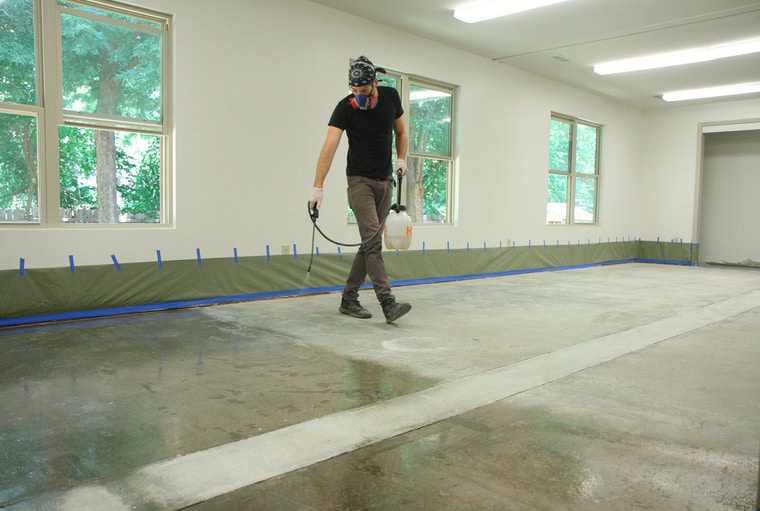
Before work begins, furniture and fixtures should be removed from the area. The space must be clear to allow grinding equipment to move freely. Dust control measures are essential, as polishing produces fine particles that can spread through the home if not contained properly.
It is also important to verify that electrical power and water sources are accessible for equipment use. These logistical steps ensure the project proceeds efficiently and safely.
Maintenance and Longevity
While polished concrete is known for its durability, maintaining its appearance requires consistent care. Regular sweeping or vacuuming prevents dust accumulation, and damp mopping with a neutral cleaner helps preserve the surface sheen.
Applying a penetrating sealer every few years can further protect against moisture and staining. With proper upkeep, a well-installed floor can last for decades without needing major restoration.
Choosing the Right Concrete Solutions
Every home presents unique conditions, so selecting the right approach is essential. Experienced professionals can assess slab quality, recommend surface treatments, and ensure the finish aligns with household needs. Exploring various concrete solutions helps determine which methods will provide the best combination of strength, beauty, and long-term performance.
With careful preparation and informed choices, polished concrete floors can elevate a living space while providing a durable and timeless foundation for daily life.