The “Non-Leachable” Standard: Why Machine Material Compatibility is Vital for Implantable Devices

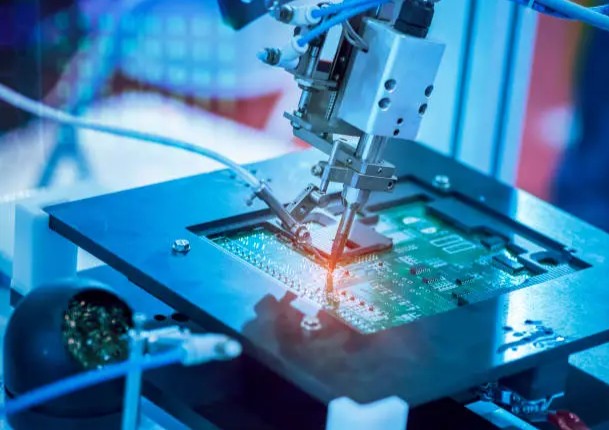
The safety of implantable medical devices depends heavily on one often-overlooked factor: the compatibility between the device’s materials and the substances it processes.
What “Non-Leachable” Really Means
In simple terms, “non-leachable” refers to materials that do not release unwanted chemicals into their surroundings. For implantable devices, this is critical. Anything that leaches from a device into the human body can cause irritation, inflammation, or long-term health issues.
That’s why manufacturers must ensure that every part of the production process, especially the machines involved, does not introduce contaminants. Even trace amounts can compromise a device that’s meant to stay inside the body for years.
Why Machine Materials Matter
It’s easy to focus on the raw materials used in implants, like medical-grade polymers or metals. But the equipment that shapes, mixes, or molds those materials plays just as important a role.
If a machine’s internal surfaces react with the material being processed, it can lead to:
- Chemical contamination
- Changes in material properties
- Reduced product consistency
- Regulatory compliance issues
For example, certain plastics or coatings inside machines may degrade over time. When that happens, tiny particles or chemicals can mix into the final product without being immediately visible.
The Role of Processing Equipment
Modern polyurethane processing equipment is designed with these risks in mind. Manufacturers are increasingly choosing equipment made from inert, non-reactive materials such as stainless steel or specialized alloys.
These machines are built to:
- Resist corrosion and wear
- Maintain stable temperatures without degrading materials
- Prevent absorption or release of chemicals
This is especially important when working with sensitive compounds like medical-grade polyurethane, which is widely used in implants due to its flexibility and durability.
Casting Machines and Material Integrity
When it comes to shaping implant components, polyurethane casting machines must meet strict standards. The casting process involves heat, pressure, and precise timing, all of which can affect how materials behave.
If the machine itself isn’t compatible with the material, problems can arise quickly. For instance:
- Heat may cause machine components to release residues
- Pressure may expose weak points in coatings or seals
- Repeated cycles may lead to gradual contamination
This is why manufacturers often validate not just the material, but the entire production system.
Regulatory Pressure and Patient Safety
Regulatory bodies expect manufacturers to prove that their devices are safe over long periods. This includes demonstrating that no harmful substances will leach out under normal use.
To meet these expectations, companies must:
- Use certified, compatible machine materials
- Regularly inspect and maintain equipment
- Document every step of the production process
It’s not just about passing inspections. It’s about ensuring that devices perform safely inside the human body, where failure is not an option.
Small Details, Big Impact
Material compatibility in manufacturing might seem like a minor detail, but it has a direct impact on patient outcomes. A well-designed machine helps preserve the purity and stability of implant materials from start to finish.
In the world of medical devices, even invisible risks matter. That’s why the “non-leachable” standard starts long before a product reaches the patient; it begins with the machines that make it.