Water damage is one of the most common problems that homeowners face. It can weaken your home’s structure, damage walls and floors, create mold, and lead to expensive repairs. The good news is that most water damage can be prevented with regular maintenance and timely inspections. Taking care of your roof, gutters, drainage system, and plumbing can help protect your property throughout the year. By following a few simple steps, you can keep your home safe, dry, and in good condition.
Inspect Your Roof Regularly
Your roof is the first line of defense against rain and harsh weather. Even a small crack or missing shingle can allow water to enter your home. It is important to inspect your roof at least twice a year and after major storms. Look for damaged shingles, loose flashing, or signs of wear around chimneys and vents. Repairing small problems early can prevent larger issues and save money in the future.
Keep Gutters Clear with Gutter Cleaning Services
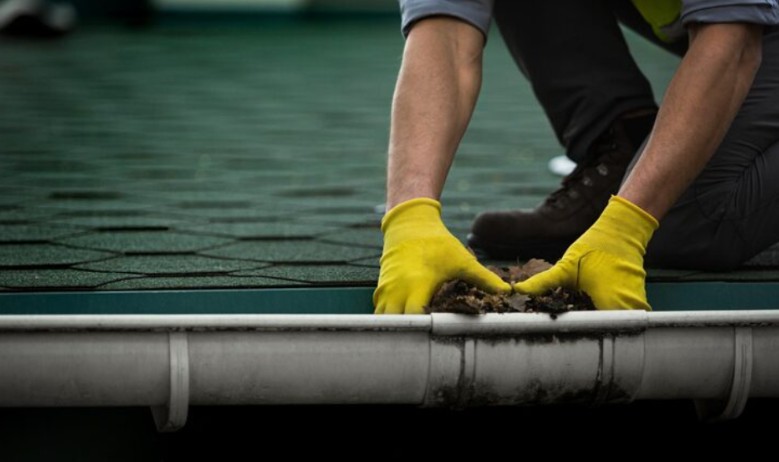
One of the best ways to protect your property from water damage is by scheduling gutter cleaning services on a regular basis. Gutters collect rainwater and direct it away from your home’s foundation. When they become blocked with leaves, dirt, and other debris, water can overflow and damage the roof, siding, foundation, and landscaping.
Professional gutter cleaning helps ensure that rainwater flows properly through the gutters and downspouts. Clean gutters also reduce the risk of basement flooding, wood rot, and mold growth, making them an essential part of property maintenance.
Maintain Proper Drainage Around Your Home
Good drainage is important for preventing water from collecting around your foundation. Make sure the ground around your home slopes away from the building so rainwater naturally flows away. Downspouts should extend several feet from the foundation to prevent water from pooling near the walls.
If your yard often holds standing water after heavy rain, consider improving the drainage system with French drains or other drainage solutions. Proper drainage helps protect both your home and your landscape.
Check Plumbing and Water Fixtures
Water damage does not always come from outside. Leaking pipes, faucets, washing machines, and water heaters can also cause serious problems inside your home. Regularly inspect visible pipes for leaks, rust, or moisture. Pay attention to any unusual increase in your water bill, as this may indicate a hidden leak.
Replacing worn-out plumbing parts before they fail can prevent unexpected water damage and reduce costly repairs.
Seal Windows and Doors
Rainwater can enter your home through gaps around windows and doors if they are not properly sealed. Check the weather stripping and caulking regularly for cracks or signs of wear. Replacing damaged seals helps keep water outside while also improving your home’s energy efficiency.
This simple maintenance task can prevent moisture from damaging walls, flooring, and window frames over time.
Monitor Your Basement and Foundation
Basements are especially vulnerable to water damage because they are below ground level. Look for damp spots, cracks in the foundation, or signs of mold. If you notice water entering your basement during heavy rain, address the issue as soon as possible.
Installing a sump pump or waterproofing the basement can provide extra protection in areas prone to flooding. Keeping your foundation in good condition also helps maintain the overall stability of your home.
Conclusion
Preventing water damage requires regular maintenance and early action. Inspecting your roof, maintaining proper drainage, checking plumbing, sealing windows and doors, and monitoring your foundation all play important roles in protecting your property. Scheduling professional gutter cleaning services is one of the most effective ways to keep rainwater flowing safely away from your home. By taking these preventive steps, you can avoid costly repairs, improve your property’s value, and enjoy greater peace of mind throughout every season.