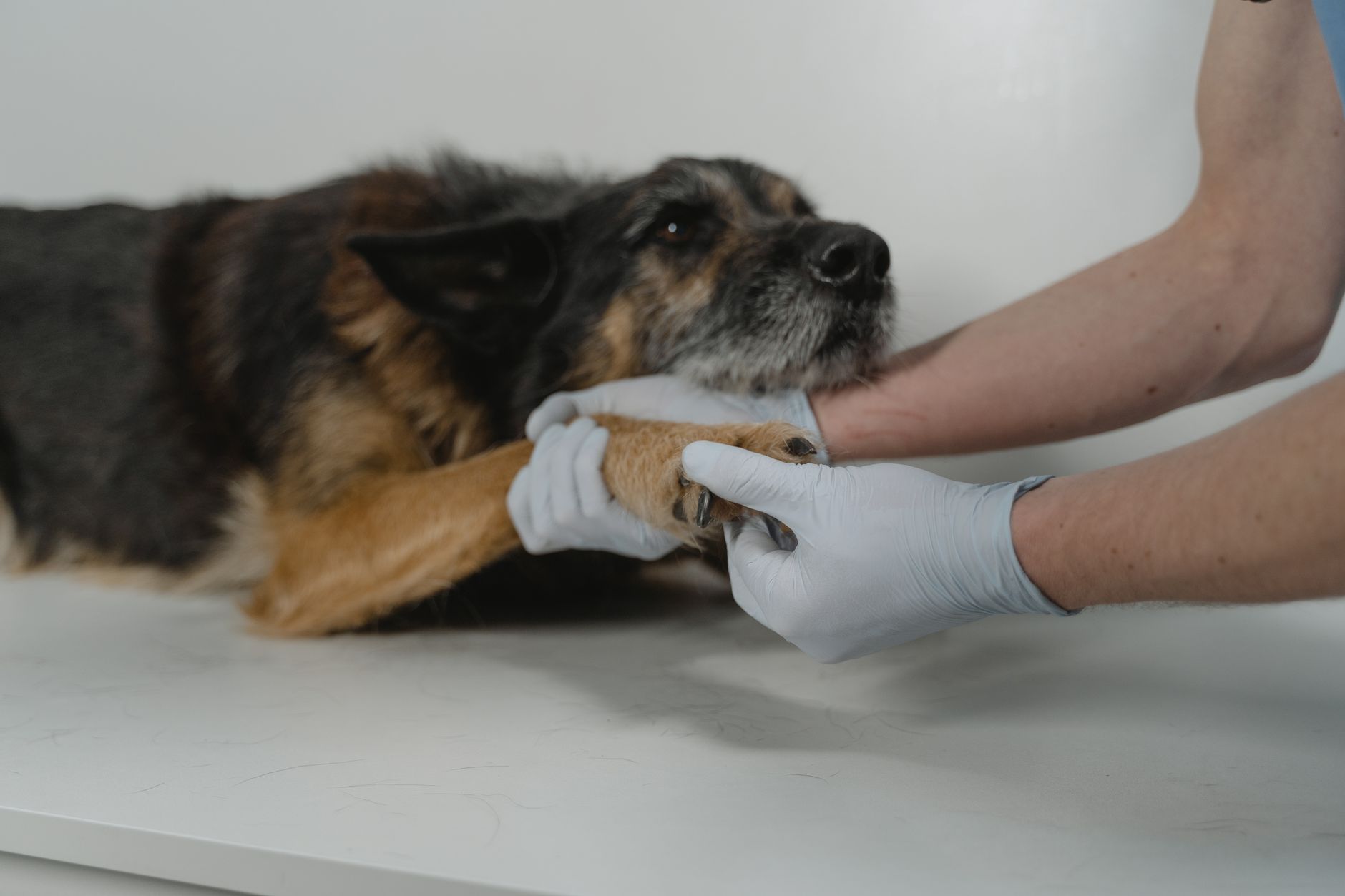
You know the moment when your pet is home after surgery, an injury, or the slow changes of aging, and you can tell something still is not right. They may be eating, sleeping, and getting through the day, but they are not moving with ease, and you are left wondering whether rest alone is enough. That uncertainty wears on people, and speaking with an Oakville veterinarian can help you decide what support your pet needs next. You want your pet comfortable, mobile, and engaged again, not just medically stable.
That is where the growing role of rehabilitation services in veterinary hospitals becomes clear. Rehab is no longer a side offering for a small group of specialty cases. It is becoming part of how veterinary hospitals support recovery, pain control, mobility, and long term function. Physical therapy for pets, guided exercise, laser therapy, underwater treadmill work, and home care plans are helping dogs and cats recover more safely and often more fully.
For years, many pet owners heard some version of the same plan after an orthopedic procedure or painful flare up. Keep activity limited. Give medication. Come back if things worsen. That advice still has a place, but it often leaves a gap between treatment and true recovery. A pet may heal on paper while still losing muscle, shifting weight in unhealthy ways, or avoiding normal movement because of pain.
That gap matters. Reduced movement can lead to stiffness, weakness, weight gain, and more strain on other joints. A dog recovering from cruciate surgery may protect one leg so heavily that another problem starts to build. A senior cat with arthritis may stop jumping, then stop exploring, then seem withdrawn. Owners often think, “Maybe this is just aging,” when the issue is pain plus lost function.
Veterinary physical rehabilitation addresses that middle ground. It focuses on restoring movement, building strength, improving balance, and reducing pain with a structured plan. In a veterinary hospital setting, that plan can be tied directly to diagnostics, surgery follow up, pain management, and ongoing medical oversight. The result is more coordinated care and fewer missed signs.
This shift is supported by growing clinical interest in outcomes and patient comfort. Research published by the American Journal of Veterinary Research reflects the profession’s increasing attention to rehabilitation and recovery support. You can review one AJVR rehabilitation study for a closer look at how these services are being evaluated in veterinary medicine.
Rehab in a veterinary hospital supports both the pet and the family
When a pet is hurting, the whole household adjusts. You lift more, clean up more, worry more, and second guess every choice. Is the limp normal today. Did that short walk help or make things worse. Should you push activity or back off. Those questions are common, especially when progress is slow.
Hospital based rehab gives owners something many have been missing, which is a clear path. Instead of guessing, you have measurable goals. That may mean improving range of motion after surgery, increasing endurance in a dog with neurologic weakness, or helping an arthritic pet rise more comfortably. Progress is often gradual, but it is easier to trust when someone is tracking it.
These services are also reaching beyond post surgical cases. Pets with arthritis, obesity, chronic pain, neurologic disease, sports injuries, and age related weakness may all benefit from rehabilitation. The AVMA has also emphasized the value of the full veterinary team in patient care, including supportive services that improve quality of life. Their veterinary team client guide helps show how collaborative care supports better outcomes.
Veterinary hospitals are using rehabilitation to improve function, not just treat disease
The broader change is simple. Veterinary care is not only about solving the immediate medical problem. It is also about helping pets return to daily life with less pain and better function. That means walking without fear, climbing stairs more safely, standing up without strain, and staying active enough to preserve muscle and confidence.
Pet rehabilitation services can include therapeutic exercises, manual therapy, heat or cold support, laser therapy, balance work, and underwater treadmill sessions. Not every pet needs every tool. The value comes from matching the plan to the condition, the temperament of the animal, and the realities at home.
| Situation | Standard Rest and Medication Alone | Veterinary Hospital Rehabilitation |
| Post surgical orthopedic recovery | Pain may improve, but stiffness and muscle loss can persist | Targets strength, gait, joint motion, and safer return to activity |
| Arthritis management | May reduce pain, but mobility often keeps declining | Combines pain control with exercises and mobility support |
| Neurologic weakness | Progress can be hard to judge at home | Tracks function and adapts therapy as strength changes |
| Owner confidence | Often leaves families guessing about safe activity levels | Provides a structured plan and monitored progress |
Practical steps help you decide whether rehab belongs in your pet’s care plan
Ask for a functional assessment. Do not focus only on the diagnosis. Ask how your pet is moving, compensating, and handling daily tasks. A pet with a “successful” surgery can still need help rebuilding strength and comfort.
Request a written recovery plan. You need specifics. Ask what exercises are safe, what signs mean you should stop, how often progress should be checked, and what goals matter over the next two to six weeks.
Think beyond the crisis. Rehab is not only for the first days after an injury. If your pet has arthritis, repeated limping, reduced stamina, or trouble getting up, bring that up. Early support often helps preserve mobility longer.
Rehabilitation services are becoming a normal part of veterinary hospital care
This change is good news for pets and for the people caring for them. Recovery does not have to mean waiting and hoping. When rehabilitation is part of veterinary hospital care, treatment can be more deliberate, pain can be managed with better structure, and pets often have a stronger chance of returning to the life they know.
If your pet is recovering from surgery, slowing down with age, or struggling with pain and mobility, ask your veterinary hospital whether rehabilitation services are available and whether they fit your pet’s case. That conversation can open the door to steadier progress and a more comfortable day to day life.