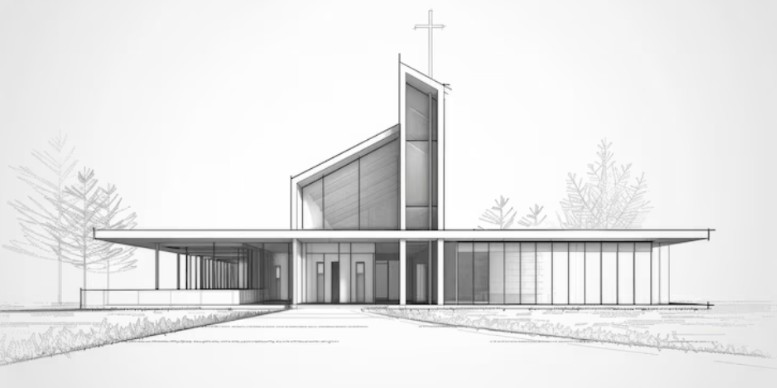
A worship building is more than just a place where people gather for services. It is a space that supports faith, strengthens community, and creates lasting memories for generations. Planning a worship building requires careful thought to ensure it continues to meet the needs of the congregation as it grows and changes. A well-designed building can provide comfort, functionality, and flexibility for many years. By focusing on long-term goals, churches can create spaces that remain useful and welcoming for future members.
Understand the Long-Term Vision
Every successful worship building project begins with a clear vision. Church leaders should think about how the congregation may grow over the coming years and what future ministries might require. Planning with the future in mind helps avoid expensive renovations later. It is important to consider the needs of children, youth, adults, and seniors so that the building can serve everyone effectively.
A long-term vision also includes planning for changing technology, accessibility, and community outreach. A flexible design allows the building to adapt as needs evolve over time.
Work with a Church Architect for Smart Design
Choosing an experienced church architect is one of the most important steps in planning a worship building. A professional who specializes in church design understands how to balance beauty, function, and spiritual purpose. They can create spaces that support worship while also providing practical solutions for classrooms, offices, meeting rooms, and fellowship areas.
A church architect also helps ensure that the building follows local building codes and makes the best use of available land and budget. Their experience can help avoid common design mistakes while creating a welcoming environment that reflects the church’s mission and values.
Design Flexible Spaces
The needs of a congregation often change over time. Creating flexible spaces allows the building to support a variety of activities beyond weekly worship services. Multi-purpose rooms can be used for Bible studies, youth programs, community events, educational classes, and family gatherings.
Movable seating, adjustable room layouts, and modern technology make it easier to adapt spaces for different events. This flexibility increases the value of the building and helps it remain useful for future generations.
Focus on Quality and Sustainability
Using durable materials and energy-efficient systems is a smart investment. High-quality construction reduces maintenance costs and extends the life of the building. Energy-saving lighting, efficient heating and cooling systems, and proper insulation can lower operating expenses while creating a comfortable environment for everyone.
Sustainable design also reflects responsible stewardship by reducing waste and conserving resources. These choices benefit both the church and the surrounding community for many years.
Create a Welcoming Community Environment
A worship building should encourage people to gather, connect, and build relationships. Comfortable entrances, clear pathways, accessible facilities, and inviting gathering areas help visitors and members feel welcome. Outdoor spaces, fellowship halls, and children’s areas also strengthen the sense of community.
Planning spaces that support both worship and everyday activities allows the church to serve not only its congregation but also the wider community through events, outreach programs, and educational opportunities.
Conclusion
Planning a worship building that serves future generations requires careful preparation, thoughtful design, and a commitment to long-term goals. By developing a clear vision, working with an experienced church architect, creating flexible spaces, investing in quality construction, and building a welcoming environment, churches can create facilities that continue to inspire faith and strengthen communities for many years. A well-planned worship building becomes a lasting foundation for worship, fellowship, and service for generations to come.