Your child says, “My tooth feels stuck,” and suddenly a normal day turns into one of those uneasy parenting moments. You look in their mouth, the tooth may seem loose but not coming out, or a new tooth may already be pushing in behind it, and it is hard to tell whether this is normal or a problem. That stress makes sense. Baby teeth do not always fall out neatly, and when a child is uncomfortable, eating differently, or refusing to let you touch the area, you want a clear answer fast. If you are looking for pediatric dentistry in Reseda, CA, knowing when a stuck baby tooth needs professional attention can help you act with confidence.
When a pediatric dentist hears that a tooth feels stuck, they usually check a few key things right away. They look at whether the tooth is a baby tooth or permanent tooth, how loose it is, whether a permanent tooth is erupting underneath or behind it, and whether pain, swelling, trauma, or infection is involved. In many cases, the issue is delayed shedding of a baby tooth. Sometimes it is crowding, an eruption problem, or a tooth that was injured and is no longer moving the way it should.
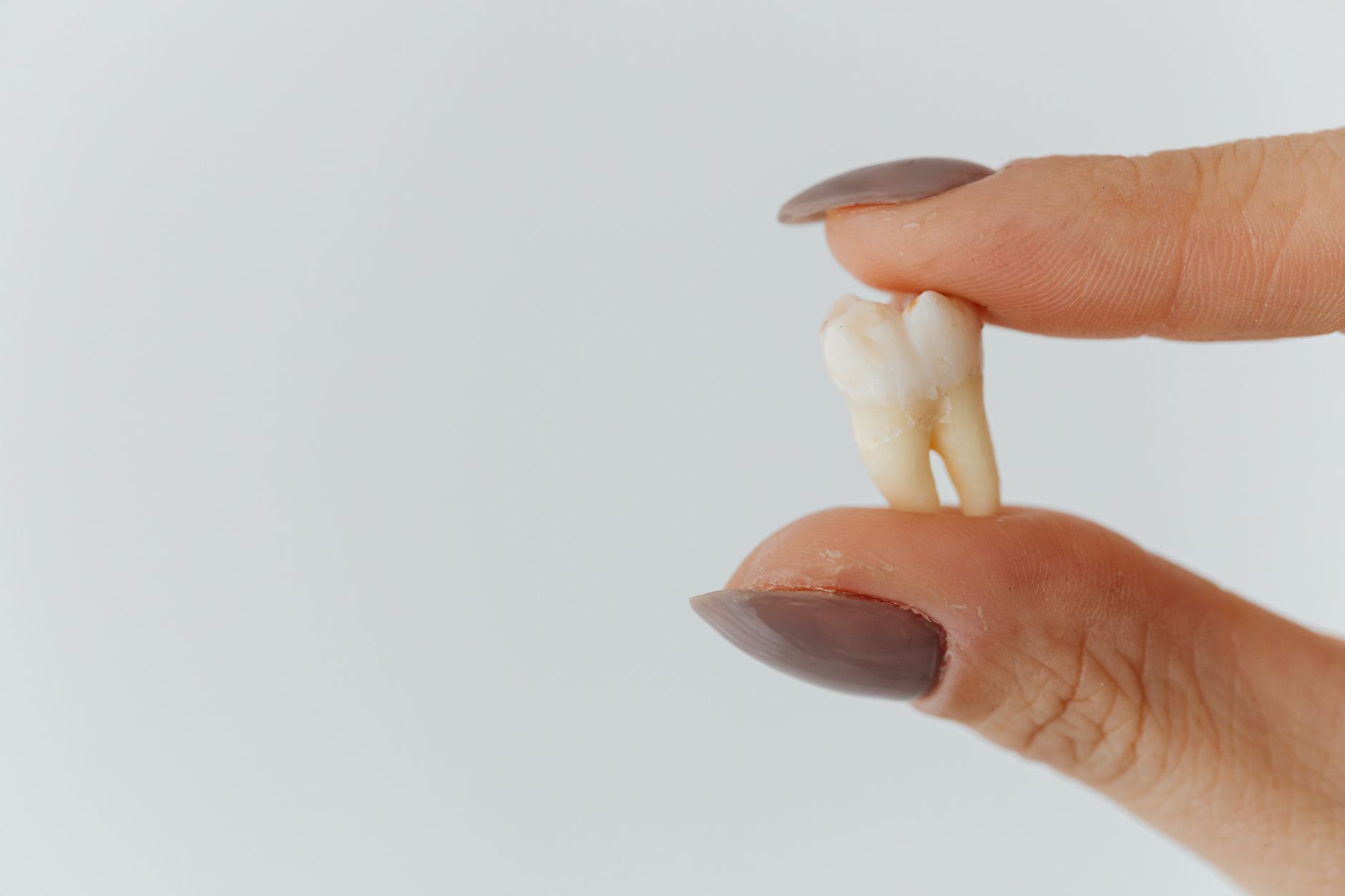
One of the first things a dentist evaluates is timing. Baby teeth usually loosen because the permanent tooth below them is dissolving the root. If that process is moving slowly, the tooth can feel half loose and half anchored, which is exactly how many children describe it. It wiggles, but it does not come out. It hurts when they chew on one side. They keep poking it with their tongue. You may even notice a permanent tooth coming in before the baby tooth leaves.
That can look alarming, especially when the new tooth appears behind the baby tooth, sometimes called “shark teeth.” A kids tooth stuck concern often turns out to be this situation. A dentist checks whether there is still enough root holding the baby tooth in place, whether the permanent tooth has enough room to move forward, and whether waiting is reasonable or removal is the better option.
They also look at your child’s age and which tooth is involved. A front baby tooth that is lingering a bit may be handled differently than a molar that should have come out much earlier. If the timing is clearly off, X-rays can show whether the permanent tooth is present, blocked, or coming in at an angle.
Pain, swelling, and injury change what a child tooth problem means
If your child is not just bothered by movement, but has pain, gum swelling, bleeding, bad breath, or trouble biting down, the concern shifts. A tooth that feels stuck after a fall may have been pushed, cracked, or damaged below the gumline. A baby tooth that should be loosening but instead feels sore and fixed may have infection around the root or gum tissue.
Pediatric dentists also check for redness, a pimple on the gum, drainage, or tenderness when the tooth is tapped. Those signs can point to an abscess or another issue that needs prompt treatment. MedlinePlus outlines common reasons for tooth symptoms such as pain and swelling, and those signs matter more than parents sometimes realize.
This is where the situation gets frustrating. A child may say the tooth is “stuck” when what they really mean is “it hurts,” “it feels weird,” or “I cannot chew on it.” Younger kids rarely describe dental problems with precision. Dentists know that, so they pay close attention to behavior as much as words. Refusing crunchy foods, waking at night, touching one side of the mouth, or getting upset during brushing can all help point to the real issue.
Professional evaluation is safer than pulling on a stuck baby tooth at home
It is tempting to help a loose tooth along, especially if your child is miserable and the tooth seems like it should have come out already. The trouble is that a tooth that is only partly ready can bleed more, tear gum tissue, or leave part of the root behind. If the tooth is not loose enough, forcing it can make your child more afraid of dental care the next time.
A pediatric dental visit can sort out whether the tooth needs simple monitoring, a gentle office extraction, or treatment for something else. The American Academy of Pediatric Dentistry provides guidance on urgent dental care for children, including situations involving pain, trauma, swelling, and problems that should not wait.
| Situation | Watch at Home | Call a Pediatric Dentist Soon |
| Loose baby tooth with no pain | Yes, if it is gradually getting looser and your child can eat | If it stays stuck for weeks or a permanent tooth is erupting behind it |
| Permanent tooth coming in behind baby tooth | Briefly, if the baby tooth is very loose | Yes, especially if the baby tooth barely moves |
| Pain, swelling, foul taste, or gum bump | No | Yes, promptly |
| Tooth feels stuck after a fall or hit to the mouth | No | Yes, promptly |
| Bleeding that restarts or chewing is difficult | No | Yes |
Simple home care supports a child with a stuck tooth, but it does not replace an exam
If the tooth is mildly loose and your child is comfortable, soft foods, gentle brushing, and warm salt water rinses can help keep the area clean. Encourage your child not to twist, yank, or constantly push on the tooth with dirty fingers. If they are old enough, they can try wiggling it gently with clean hands. The goal is comfort, not force.
General oral care still matters during this stage. Good brushing and gum care reduce irritation around a loose baby tooth and help prevent the area from becoming inflamed. MedlinePlus offers a helpful overview of children’s dental health that supports these day to day habits.
Three steps to take when your child says a tooth feels stuck
1. Look for the signs that change the urgency. Check for swelling, a new tooth coming in behind the baby tooth, bleeding, fever, bad breath, or pain with chewing. Those details help you decide whether this is a normal loose tooth or a child tooth not coming out problem that needs quicker care.
2. Keep the area clean and avoid pulling. Offer soft foods, have your child rinse if they can, and brush gently around the tooth. Do not tie the tooth to anything or try to remove it if it still seems firmly attached.
3. Schedule a pediatric dental exam if the tooth is not progressing. A dentist for children can tell whether the root is still intact, whether the permanent tooth is coming in correctly, and whether treatment now prevents a bigger problem later.
Most stuck teeth are manageable, and many are part of a normal but awkward stage of dental development. The key is knowing when “wait and watch” makes sense and when discomfort, swelling, or delayed eruption needs a closer look. If your child keeps saying a tooth feels stuck, trust that signal and arrange a visit with a pediatric dentist.